
Cosmetic Surgery

advanced hair growth serum

Is Using Hair Growth Serum Safe After Hair Transplant?

Yes, hair growth serums, including advanced hair growth serums, can be used after a hair transplant, but only once your scalp has fully healed. Applying them too early can irritate the scalp or harm the new hair follicles. Always follow your surgeon’s advice for safe and effective use. In this blog, we will explain everything you need to know about hair growth serums after surgery so you can take care of your new hair safely. Understanding Hair Transplant Recovery After a hair transplant, your scalp needs time to heal. The transplanted hair follicles are delicate, and improper care can affect the results. Most surgeons recommend avoiding any chemical or medicated products on the scalp for at least 2–4 weeks post-surgery. During this time: Tiny scabs form around the transplanted hair The scalp may feel sensitive or itchy Follicles are adjusting to the new location Applying any hair growth serum, including advanced hair growth serum, too early can irritate the scalp, cause infections, or damage the newly transplanted follicles. When Is Hair Growth Serum Safe to Use? Hair growth serums usually contain vitamins, peptides, or herbal extracts that stimulate hair growth. These can be helpful, but only after your scalp has fully healed. Recommended timeline: First 2–4 weeks: Avoid all serums After 4 weeks: Light, gentle serums may be used if approved by your surgeon After 3 months: Most patients can safely include serums, including advanced hair growth serums, in their hair care routine Always consult your cosmetic surgeon in Delhi before introducing any serum. Your doctor will guide you based on your scalp condition and hair transplant progress. How Advanced Hair Growth Serums Work Advanced hair growth serums are formulated with ingredients like: Peptides to strengthen hair roots Vitamins to nourish follicles Herbal extracts for scalp health These serums are designed to enhance hair density and support natural growth, but they are not a replacement for surgical hair transplant. They can complement your treatment after proper healing, helping maintain healthy hair and prevent further thinning. Tips for Using Hair Growth Serums After Hair Transplant Follow your surgeon’s advice: Never apply a serum without approval. Choose gentle formulas: Avoid harsh chemicals and alcohol-based serums. Apply lightly: Massage only a small amount onto the scalp. Check for reactions: If there’s redness, itching, or irritation, stop using immediately. Consistency is key: Use serums as directed, usually once or twice a day. Other Important Hair Transplant Care Tips Avoid scratching or rubbing the transplanted area Protect your scalp from direct sunlight Use mild shampoos as recommended Follow post-surgery medications strictly For more guidance on hair care and treatments, you can consult clinics offering Hair Transplant in South Delhi or Hair Transplant in Delhi. They can also guide you about the Hair Transplant cost in Delhi and post-operative care. When to Consider Hair Transplant Over Serums Hair growth serums, including advanced hair growth serums, are helpful in early or mild hair loss, but for: Significant bald patches Advanced hair thinning Genetic hair loss A hair transplant performed by an experienced cosmetic surgeon in Delhi is often the most effective and permanent solution. Some clinics even combine procedures with vaginal tightening surgery in Delhi or Mommy Makeover Surgery in Delhi, offering full aesthetic care under expert supervision. Conclusion Hair growth serums can be safe after hair transplant, but timing and proper guidance are critical. Always wait until the scalp has healed, use gentle formulas, and follow your surgeon’s instructions. Remember: Advanced hair growth serums may enhance results, but they cannot replace the effectiveness of a professional hair transplant. For safe and permanent hair restoration, consult experts offering Hair Transplant in Delhi or Hair Transplant in South Delhi. They can also provide advice on Hair Transplant cost in Delhi and the best post-operative care for long-lasting results.

Is Using Hair Growth Serum Safe After Hair Transplant? Read More »

Hair Growth Surgery for Women: How It Works and What to Expect

Hair loss in women is more common than many people realize. It can start with thinning at the crown, a widening part line, or visible patches caused by medical conditions, stress, hormonal changes, or genetics. For women who do not see results from medicines or topical treatments, hair growth surgery has become a reliable and long-term solution. This blog explains how hair growth surgery works for women, who it is suitable for, the techniques used, safety aspects, recovery, and cost considerations. Understanding Female Hair Loss Hair loss in women is different from male pattern baldness. Women usually experience overall thinning rather than complete bald areas. Common causes include: Hormonal imbalance (PCOS, menopause, thyroid issues) Post-pregnancy hair fall Nutritional deficiencies Stress or illness Genetics Traction alopecia due to tight hairstyles Before suggesting surgery, doctors always evaluate the root cause. Hair growth surgery is recommended only when the donor hair area (usually the back of the scalp) is healthy and stable. What Is Hair Growth Surgery for Women? Hair growth surgery, medically known as a hair transplant, is a procedure where healthy hair follicles are taken from one part of the scalp and implanted into thinning or bald areas. These transplanted hairs grow naturally and permanently. Many women now opt for Hair Transplant in Delhi due to the availability of advanced clinics, skilled doctors, and modern technology. Hair Transplant Techniques Used for Women 1. FUE (Follicular Unit Extraction) This is the most preferred method for women. Individual hair follicles are extracted and implanted without stitches. Benefits: No visible scars Faster healing Natural hair density Ideal for long hair patients 2. FUT (Follicular Unit Transplantation) A thin strip of scalp is removed from the donor area and follicles are extracted from it. Benefits: Useful when a large number of grafts are required Higher graft survival in some cases The choice of technique depends on hair density, hair loss pattern, and advice from a qualified Plastic Surgeron in Delhi. Is Hair Growth Surgery Safe for Women? Yes, when performed by an experienced surgeon, hair transplant surgery is safe for women. It is a minimally invasive procedure done under local anesthesia. Risks such as infection or swelling are rare and temporary. A proper consultation ensures: Correct diagnosis Realistic expectations Customized hairline design Natural-looking results Recovery and Results Mild redness or scabbing may appear for a few days Transplanted hair sheds in the first month (normal phase) New hair growth begins after 3 to 4 months Visible improvement is seen within 6 to 9 months Final results appear in 12 months The transplanted hair behaves like natural hair and can be washed, styled, and colored. Hair Transplant Cost in Delhi The Hair Transplant cost in Delhi depends on several factors, such as: Number of grafts required Technique used (FUE or FUT) Surgeon’s experience Clinic infrastructure Extent of hair loss On average, the cost is calculated per graft. Delhi offers competitive pricing while maintaining international standards, which is why many women choose this city for treatment. Who Is an Ideal Candidate? Hair growth surgery is suitable for women who: Have stable donor hair Experience permanent hair thinning Have realistic expectations Are in good overall health Women with active hair fall due to hormonal or medical issues may need treatment before surgery. Choosing the Right Surgeon and Clinic Selecting the right clinic is the most important step. Always look for: Certified and experienced surgeons Transparent consultation Before-and-after patient results Hygiene and safety standards Consulting a trusted Plastic Surgeron in Delhi ensures both safety and natural results. Final Thoughts Hair growth surgery has helped many women regain confidence and improve their quality of life. With the right diagnosis, skilled surgeon, and proper aftercare, the results can be truly life-changing. If hair loss is affecting your self-esteem and daily life, a professional consultation can help you understand whether a hair transplant is the right solution for you.

Hair Growth Surgery for Women: How It Works and What to Expect Read More »

Common Myths and Facts About Gynaecomastia: Causes & Surgery

Gynaecomastia is a condition where men develop enlarged breast tissue. Even though it is quite common, many people still feel confused or embarrassed about it. Because of this, several myths have developed over time. These myths often stop men from seeking the right medical advice or treatment. In this blog, we will break down the common myths and facts about gynaecomastia, explain the cause of gynaecomastia, and briefly discuss treatment options such as gynaecomastia surgery in Delhi. What Is Gynaecomastia? Gynaecomastia is the enlargement of male breast tissue caused by hormonal imbalance. It can affect one or both breasts and may occur at any age—teenage years, adulthood, or later in life. It is different from chest fat caused by weight gain. Gynaecomastia involves real breast tissue, not just fat. Common Myths and Facts About Gynaecomastia Myth 1: Gynaecomastia Happens Only to Overweight Men Fact:Weight gain can make the chest look bigger, but it is not always the cause of gynaecomastia. Even slim and fit men can develop this condition. The main cause of gynaecomastia is hormonal imbalance, especially increased estrogen or reduced testosterone levels. Myth 2: Gynaecomastia Is Caused by Poor Lifestyle Alone Fact:Lifestyle factors like alcohol, drug use, and certain medications may increase the risk, but they are not the only reasons. Hormonal changes, puberty, aging, medical conditions, and some prescribed medicines also play a major role. Myth 3: Exercise Can Cure Gynaecomastia Fact:Exercise helps reduce fat but cannot remove glandular breast tissue. Chest workouts may improve muscle tone, but they do not treat true gynaecomastia. In many cases, medical treatment or surgery is required for permanent results. Myth 4: Gynaecomastia Is a Rare Condition Fact:Gynaecomastia is more common than people think. Many men experience it at some stage of life, especially during puberty or middle age. It often goes unreported due to embarrassment. Myth 5: Surgery Is Always Dangerous Fact:When performed by an experienced plastic surgeon in Delhi, gynaecomastia surgery is considered safe and effective. Like any surgery, it has risks, but complications are rare when done in a proper medical facility. Myth 6: Gynaecomastia Will Go Away on Its Own Fact:In teenagers, gynaecomastia may disappear naturally within a year or two. However, in adults, it usually does not go away without treatment. Long-standing cases often require medical or surgical intervention. Causes of Gynaecomastia (Quick Overview) Cause Explanation Hormonal imbalance Increase in estrogen or decrease in testosterone Puberty Temporary hormonal changes Aging Natural hormone changes Medications Steroids, antidepressants, heart medicines Alcohol & drugs Can affect hormone levels Medical conditions Liver, kidney, or thyroid problems Understanding the cause of gynaecomastia is important before choosing the right treatment. Treatment Options for Gynaecomastia Non-Surgical Treatment Useful in early or mild cases Hormone-related medicines may help Lifestyle changes support overall health Surgical Treatment When gynaecomastia is long-standing or severe, surgery is the most effective solution. Male breast surgery in Delhi is widely preferred due to: Skilled doctors Advanced medical facilities Affordable treatment options Gynaecomastia Surgery in Delhi Gynaecomastia surgery in Delhi involves removing excess glandular tissue and fat from the chest to create a flat, masculine shape. The procedure is usually done under anesthesia and allows patients to return home the same day. Gynaecomastia Surgery Cost in Delhi The gynaecomastia surgery cost in Delhi depends on: Severity of the condition Type of technique used Experience of the plastic surgeon Hospital or clinic facilities On average, the cost is lower compared to many other cities while maintaining high medical standards. Choosing the Right Plastic Surgeon in Delhi Selecting an experienced plastic surgeon in Delhi is crucial for safe surgery and natural-looking results. A qualified surgeon will: Identify the exact cause Suggest the right treatment Ensure proper recovery and aftercare Frequently Asked Questions (FAQ) Is gynaecomastia a serious health problem? No, it is usually not dangerous, but it can affect confidence and mental health. Can gynaecomastia come back after surgery? Recurrence is rare if surgery is done properly and hormonal balance is maintained. How long is recovery after gynaecomastia surgery? Most patients recover within 1–2 weeks and can resume normal activities soon. Is gynaecomastia surgery painful? Pain is usually mild and manageable with medication. Who is the right candidate for surgery? Men with stable health, persistent breast enlargement, and realistic expectations are good candidates. Final Thoughts Gynaecomastia is surrounded by myths that often prevent men from seeking help. Understanding the real cause of gynaecomastia and separating facts from fiction is the first step toward proper treatment. Whether it’s lifestyle guidance or male breast surgery in Delhi, effective solutions are available. If gynaecomastia is affecting your confidence, consulting a trusted plastic surgeon in Delhi can help you take the right step forward.

Common Myths and Facts About Gynaecomastia: Causes & Surgery Read More »

liposuction meaning

Liposuction Meaning & Price: A Quick Guide

If you have been searching for body-shaping options, you have probably come across the term liposuction many times. But what is the real liposuction meaning? How is it done? And what is the price of liposuction, especially in a major city like Delhi?This guide explains everything in simple words so you can make an informed decision. What Is Liposuction? (Liposuction Meaning Explained) The simple liposuction meaning is:a surgical procedure that removes stubborn fat from specific parts of the body using suction.People choose liposuction when dieting and exercise cannot reduce fat pockets in areas like the stomach, thighs, arms, back, and chin. Understanding the true liposuction meaning helps patients know that it is not a weight-loss surgery. Instead, it reshapes the body by targeting fat deposits. Modern techniques have made the liposuction meaning broader than before—now it includes methods like Vaser Liposuction, Laser Liposuction, and traditional Suction-Assisted Liposuction. Each method is designed to remove fat safely and improve body contours. Why Do People Choose Liposuction? Once you understand the liposuction meaning, it becomes clear why so many people prefer it. The procedure helps: Remove resistant fat Improve body shape Enhance confidence Give long-lasting results with a healthy lifestyle Many men also search for Gynaecomastia Surgery in Delhi, which is often combined with liposuction to treat male breast enlargement. Who Is the Right Candidate for Liposuction? A person who clearly understands the liposuction meaning knows that it is suitable for: People close to their ideal weight Those wanting better body contours Individuals with stubborn fat that does not go away with exercise People who want a quick and effective fat-removal option If a patient is confused, visiting an experienced Plastic Surgeon in Delhi can help determine whether liposuction is right for them. Types of Liposuction Procedures Understanding the types helps strengthen the concept of liposuction meaning: Traditional Liposuction Fat is manually suctioned using a cannula. Laser Liposuction Laser melts the fat before it is removed. Vaser Liposuction Ultrasound waves break down fat cells, offering smoother results.  Power-Assisted Liposuction A vibrating cannula makes fat removal easier. 5. Tumescent Liposuction Local anesthesia is used with a special solution to reduce bleeding and pain. Where Is Liposuction Commonly Performed? The liposuction meaning extends beyond just one area—it can be performed on multiple body parts: Abdomen Hips Thighs Arms Back Double chin Chest (especially for Gynaecomastia Surgery in Delhi) Some clinics also offer Lipoma Surgery in Delhi, which may involve liposuction when the lipoma is large or fat-dense. Liposuction Surgery in Delhi: Why It Is Popular Delhi has become a major hub for cosmetic procedures, especially Liposuction Surgery in Delhi, because: It offers advanced technology Skilled and experienced surgeons Affordable price of liposuction High-quality hospital facilities Many people from across India travel to Delhi specifically for Liposuction Cost in Delhi, as prices are often lower compared to metro cities like Mumbai or Bangalore. Price of Liposuction: How Much Does Liposuction Cost in Delhi? The price of liposuction varies depending on several factors like: Body area Technique used Fat volume Hospital or clinic quality Experience of the Plastic Surgeon in Delhi The Liposuction Cost in Delhi generally ranges from moderate to premium depending on the patient’s needs. Larger areas like the abdomen cost more, while smaller areas like the chin cost less. When searching for the price of liposuction, always consider safety, surgeon experience, and hygiene standards—not just low cost. Factors That Affect Liposuction Cost To understand the liposuction meaning fully, it’s important to know what affects the pricing: Number of areas treated Type of technology (Vaser, Laser, Traditional) Operation time Anesthesia charges Facility charges Surgeon expertise A highly experienced Plastic Surgeon in Delhi may charge more, but results are often better and safer. Recovery After Liposuction Once you understand the liposuction meaning, you also need to know what recovery looks like: Mild swelling and bruising Compression garment for 4–6 weeks Light walking from next day Resume work in a few days Final results visible in 2–3 months For similar procedures like Gynaecomastia Surgery in Delhi, recovery is also quick and manageable. Is Liposuction Safe? Liposuction is generally safe when performed by a trained and certified Plastic Surgeon in Delhi. Modern techniques have reduced risks and improved results. Liposuction vs. Weight Loss One common misunderstanding of liposuction meaning is that it is a weight-loss method. In reality: Liposuction removes fat, not weight It shapes the body It cannot replace healthy diet or exercise Once you understand the real liposuction meaning, expectations become more realistic. Related Surgeries in Delhi Delhi offers many advanced cosmetic and corrective surgeries such as: Gynaecomastia Surgery in Delhi Lipoma Surgery in Delhi Body contouring Tummy tuck If you are already researching the price of liposuction, it may be helpful to look at all treatment options. Conclusion Now that you clearly understand the liposuction meaning, you know that it is a body-shaping procedure designed to remove stubborn fat safely and effectively. Whether you are exploring Liposuction Surgery in Delhi, checking the Liposuction Cost in Delhi, or comparing other treatments like Gynaecomastia Surgery in Delhi or Lipoma Surgery in Delhi, always prioritize safety and choose an experienced Plastic Surgeon in Delhi. The price of liposuction may vary, but the right guidance and expert care ensure long-lasting and satisfying results. With a proper understanding of the liposuction meaning, you can confidently decide if this treatment is right for you. FAQs on Liposuction Meaning & Price 1. What is the real liposuction meaning? The real liposuction meaning is a cosmetic procedure that removes stubborn fat from areas like the abdomen, thighs, arms, and chin using suction-based techniques. It helps reshape the body but is not a weight-loss surgery. 2. What is the price of liposuction in India? The price of liposuction in India varies based on the area treated, technique used, and surgeon expertise. On average, the cost increases with the number of body areas and advanced technologies like Vaser or Laser. 3. What is the Liposuction price in Delhi? The Liposuction Cost in Delhi depends

Liposuction Meaning & Price: A Quick Guide Read More »

How to Remove Gynecomastia? A Complete Guide

Gynecomastia is a common condition in men where the chest develops excess fatty or glandular tissue, giving it a breast-like appearance. It can affect confidence, posture, and self-image. Many men look for ways to reduce or permanently remove gynecomastia, especially when home remedies don’t work. Here’s a clear guide on how to remove gynecomastia, treatment options, and why many people choose Gynaecomastia Surgery in Delhi for long-lasting results. What Causes Gynecomastia? Before exploring removal options, it helps to understand what causes the condition.Gynecomastia may occur due to: Hormonal imbalance Weight gain or obesity Certain medications Genetics Puberty-related changes Medical conditions affecting hormones For many men, the tissue does not go away on its own, which leads them to explore treatment options. Can Gynecomastia Be Removed Naturally? Some mild cases may improve with lifestyle changes. These include: 1. Regular Exercise Strength training, cardio, and chest-focused workouts can help reduce fat. However, exercise alone cannot remove glandular tissue, which is the main cause of true gynecomastia. 2. Healthy Diet Eating balanced meals, reducing sugar, and losing overall body fat can help. But again, diet alone may not correct the glandular swelling. 3. Avoiding Triggers Limiting alcohol, steroids, and certain medications (as advised by a doctor) may prevent worsening. Natural remedies may help reduce fat but cannot eliminate the gland that causes the male breast appearance. This is why many people opt for surgery for a permanent solution. How to Remove Gynecomastia Permanently? The most effective method to remove gynecomastia is surgery. It is a safe and commonly performed cosmetic procedure. Gynaecomastia Surgery (Male Breast Reduction) This surgery removes: Excess gland Stubborn chest fat Loose skin (in some cases) It helps achieve a flatter, masculine chest shape. The procedure is usually done under local or general anesthesia, depending on the case. Why Gynaecomastia Surgery in Delhi Is Popular Delhi is known for advanced medical facilities and experienced cosmetic surgeons. Many people across India travel to Delhi because: Modern clinics with updated technology Experienced and certified Plastic Surgeon in Delhi Affordable and transparent pricing Quick recovery and minimal downtime The city has become one of the top destinations for Breast Reduction Surgery in Delhi specifically for men dealing with gynecomastia. Gynaecomastia Surgery Cost in Delhi The Gynaecomastia Surgery Cost in Delhi varies depending on: Grade or severity of gynecomastia Type of surgical technique (liposuction, gland removal, or both) Clinic location Surgeon’s experience Anesthesia and facility charges On average, the cost may range within common cosmetic surgery pricing in metropolitan cities, making it more affordable compared to many other places. Recovery After Gynecomastia Removal Recovery is usually smooth. Patients may experience mild swelling or discomfort for a few days. Wearing a compression garment and avoiding heavy exercise helps with faster healing. Most people return to normal activities within a week. Final Thoughts Gynecomastia is common and treatable. While exercise and lifestyle changes may help with fat loss, they cannot remove glandular tissue. The most reliable and permanent solution is Gynecomastia Surgery, which is why many people choose Gynaecomastia Surgery in Delhi for safe, effective results. With skilled surgeons and reasonable pricing, the city offers one of the best treatment options for male chest correction.

How to Remove Gynecomastia? A Complete Guide Read More »

abdominoplasty tummy tuck

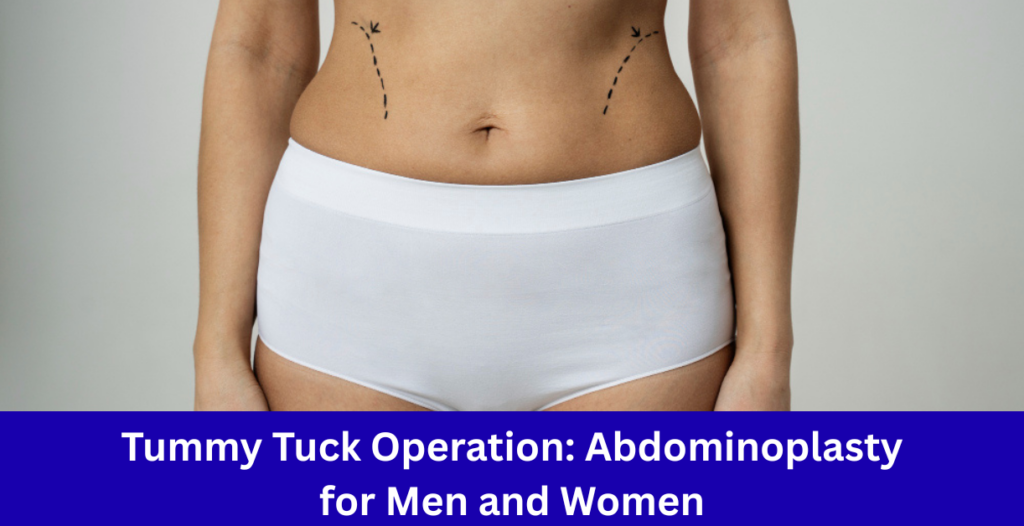
Tummy Tuck Operation: Abdominoplasty for Men and Women

Many people consider an abdominoplasty tummy tuck when they’ve reached a point where exercise, weight loss, or lifestyle modifications no longer address loose abdominal skin or weakened muscles. Whether the concern is post-pregnancy changes, after-weight-loss skin folds, or long-standing abdominal laxity, this procedure can offer both functional and aesthetic improvement. This guide is written to help patients—men and women alike—understand how the procedure works, what results are realistic, and what to expect before and after surgery. Understanding the Abdominoplasty Tummy Tuck A tummy tuck is a reconstructive and cosmetic procedure that focuses on reshaping the abdominal wall by tightening muscles and removing redundant skin and fat. Although often associated with cosmetic enhancement, many patients experience functional benefits such as improved posture, reduced skin irritation, and better core stability. For individuals considering a tummy tuck operation, it’s important to understand that the goal isn’t weight loss but refinement of the body’s midsection. Who May Benefit From This Procedure? Ideal candidates often include: Women who have experienced pregnancy-related muscle separation Men and women with significant weight-loss-related laxity Individuals experiencing persistent lower abdominal bulges Those with stable body weight and generally good health Whether it’s a tummy tuck for woman seeking to restore the abdomen after childbirth, or a male tummy tuck aimed at removing excess skin after weight loss, the core criteria remain similar: healthy expectations, stable weight, and the desire to improve abdominal contour. Patients planning future pregnancies are usually advised to postpone the procedure to protect results. How a Tummy Tuck Operation Works Although techniques vary slightly by surgeon and anatomy, most tummy tuck procedures follow a similar structure: Evaluation & Planning The initial consultation involves examining the abdominal area, identifying weakened muscles, and determining how much skin needs removal. Anaesthesia General anaesthesia is typically used. Incision Placement Most surgeons make a low, horizontal incision positioned to be concealed beneath undergarments. Muscle Repair If the abdominal muscles are separated—a common issue after pregnancy—the surgeon brings them back together, providing improved abdominal support. Excess Skin Removal Loose skin is carefully excised, and the remaining skin is repositioned for a smoother, firmer contour. Navel Reshaping When the skin is tightened, the belly button is repositioned to a natural location. Closing the Incisions Layered sutures help support healing and minimize scarring. The procedure may take anywhere from two to four hours, depending on the extent of correction.  Variations of the Procedure Mini Tummy Tuck Addresses mild lower-abdominal looseness with a smaller incision and quicker recovery. Full Abdominoplasty The most common form, suitable for patients with laxity across the entire abdomen. Extended Tummy Tuck Often recommended after massive weight loss; this addresses the abdomen, flanks, and sometimes the lower back. Benefits Beyond Aesthetics Many individuals are surprised by the functional improvements that follow a tummy tuck. When abdominal muscles are tightened, posture can improve, and some patients report a reduction in lower-back discomfort. Rashes and skin infections under overhanging folds may also lessen once excess tissue is removed. Psychological benefits—such as increased confidence and improved comfort during physical activity—are also frequently reported. Understanding Risks All surgical procedures carry some element of risk. For tummy tucks, potential complications may include infection, delayed wound healing, seroma formation, and temporary numbness. A thorough consultation and choosing an experienced surgeon help minimize these risks. The Recovery Process Patients undergoing a tummy tuck should plan for a recovery period that spans several weeks. First Week Expect swelling, a sensation of tightness, and reduced mobility. Light walking is encouraged to promote circulation. Two to Four Weeks Bruising improves, discomfort reduces, and many return to desk-based work. Six to Twelve Weeks Most normal activities and exercise routines can be resumed, depending on surgeon guidance. Long-Term Scars gradually lighten and soften over several months. Choosing Tummy Tuck Surgery in Delhi Delhi has become a preferred destination for individuals seeking this procedure due to the availability of experienced plastic surgeons, modern healthcare infrastructure, and cost-effective treatment options. For patients exploring Tummy Tuck Surgery in Delhi, the combination of affordability and expertise often stands out. Tummy Tuck Cost in Delhi The Tummy Tuck Cost in Delhi depends on factors such as the surgeon’s credentials, hospital facilities, anesthesia, and whether additional contouring like liposuction is performed. Typical cost ranges between ₹95,000 to ₹2,50,000 or more, depending on individual requirements. Related Body-Contouring Procedures Some patients inquire about complementary procedures: Gynaecomastia Surgery Cost in Delhi varies by severity but is generally accessible and often paired with male body-contouring procedures. Lipoma Surgery in Delhi may be recommended when benign fatty lumps are present; removal is usually minor and done under local anesthesia. Expected Results While patients see an immediate difference after surgery, the final outcome takes time. As swelling subsides and tissues settle, the abdomen appears smoother, firmer, and more proportionate to the body. Maintaining a healthy lifestyle greatly contributes to long-lasting results.  FAQ (abdominoplasty tummy tuck) 1. What exactly does an abdominoplasty tummy tuck correct? It removes loose skin, tightens abdominal muscles, and reshapes the midsection, especially after pregnancy or weight loss. 2. How intensive is a tummy tuck operation? A tummy tuck operation is moderately intensive and typically requires a few hours in the operating room under general anesthesia. 3. Does a tummy tuck help with muscle separation after pregnancy? Yes, repairing muscle separation is one of the core benefits, particularly in tummy tuck for woman candidates. 4. How is a male tummy tuck different from a female one? A male tummy tuck often focuses on creating a straight, firm abdominal contour, while women may require muscle repair due to pregnancy. 5. Will I see results right away? Yes, although swelling in the early weeks may partially hide the final outcome. 6. Does a tummy tuck remove stretch marks? Some stretch marks below the navel may be removed if they fall within the area of excess skin. 7. How long is recovery after a tummy tuck? Most patients need one to two weeks before returning to light work and up to two to three months

Tummy Tuck Operation: Abdominoplasty for Men and Women Read More »