
Puffy Nipples in Men

Puffy Nipples in Men: Causes and Treatment

Puffy nipples in men can come from gynecomastia, an increase in breast gland tissue linked to an imbalance between estrogen and testosterone. Extra body fat, medications, nipple irritation, and some health conditions can also cause them. Most cases aren’t serious, but pain, discharge, or a hard lump deserves a doctor’s visit. Short version done. Now the details, because “it’s probably fine” is a better feeling when you know why. What Are Puffy Nipples in Men? Puffy nipples describe a nipple and areola that sit raised or swollen instead of lying flat against the chest. It can affect one side or both, and the two sides don’t have to match. The term is casual. Doctors don’t diagnose “puffy nipples” as such. They look for what’s underneath, and that usually falls into one of three buckets: Gynecomastia: an increase in breast gland tissue. Cleveland Clinic describes it as often feeling like a button-sized growth under the nipple. Pseudogynecomastia: extra fat in the chest area, with no extra gland tissue. Skin irritation: nipple chafing or dermatitis. Telling them apart matters, because each one has a different fix. What Causes Puffy Nipples in Men? Hormones sit behind most of the story. Men make mostly testosterone and a small amount of estrogen. When testosterone drops, or estrogen rises relative to it, breast gland tissue can grow. Here’s what can tip that balance. Natural hormone shifts Three life stages commonly bring it on: Infancy. More than half of male babies are born with enlarged breasts from estrogen exposure during pregnancy. The swelling usually fades within 2 to 3 weeks. Puberty. It’s somewhat common, and it usually goes away without treatment within 6 months to 2 years. Older age. About 24% to 65% of men ages 50 to 80 get gynecomastia, per Mayo Clinic, though most have no symptoms. Medications This list surprises people. Mayo Clinic names several drug types linked to gynecomastia: Anti-androgens such as flutamide, finasteride, and spironolactone Anabolic steroids and androgens Some HIV medicines, especially efavirenz ADHD medicines containing amphetamines, such as Adderall Diazepam and other anti-anxiety drugs Tricyclic antidepressants and some antibiotics Opioids for chronic pain Ulcer medicines such as cimetidine and omeprazole Chemotherapy Heart medicines such as digoxin and calcium channel blockers Metoclopramide Don’t stop any prescription on your own because of this list. Talk to your doctor first. They can switch you to another option if the medicine is the culprit. Alcohol and recreational drugs Alcohol, anabolic steroids, amphetamines, marijuana, heroin, and methadone can all contribute. Steroids used for muscle building deserve a special mention, since the gym-bro route to bigger pecs can backfire with a different kind of chest growth. Health conditions Several conditions shift hormone balance: Hypogonadism, including Klinefelter syndrome and pituitary insufficiency Hyperthyroidism Kidney failure. Mayo reports that about half the people on dialysis develop gynecomastia. Liver failure and cirrhosis Tumors of the testes, adrenal glands, or pituitary gland Malnutrition and starvation. Testosterone drops while estrogen stays the same. Body fat Excess weight raises the odds in two ways. Fat can sit in the chest and mimic gynecomastia (that’s pseudogynecomastia). And obesity is a recognized risk factor for the real thing. Irritation and herbal products Medical News Today lists nipple chafing and dermatitis as causes of puffy male nipples. Runners know this one well. Mayo also notes that some plant oils in shampoos, soaps, and lotions, such as tea tree and lavender oil, have been associated with gynecomastia. It likely comes from compounds that mimic estrogen or affect testosterone. Gynecomastia or Fat? How the Causes of Puffy Nipples in Men Differ Cause What’s growing Worth knowing Gynecomastia Breast gland tissue Driven by a hormone imbalance; may need testing Pseudogynecomastia Fat Mayo says no further testing is needed once diagnosed Nipple irritation Nothing; skin is inflamed Treat the irritation and the trigger If you’re guessing at home, you’ll guess wrong about as often as you guess right. A quick exam settles it. Who’s More Likely to Get It? Mayo Clinic lists these risk factors: Puberty Older age Obesity Anabolic steroid use Liver disease, kidney disease, thyroid disease, Klinefelter syndrome, and some tumors When Should You See a Doctor About Puffy Nipples? Book a visit if you notice any of these: Swelling Pain or tenderness Fluid coming from one or both nipples A firm or hard lump Dimpled skin on the breast Breast cancer is uncommon in men, but it happens. Mayo says enlargement of one breast or a firm lump raises concern for it. That’s the reason to get checked instead of waiting it out. How Doctors Diagnose the Cause? Expect questions about your symptoms and the medicines you take. Then comes a physical exam of the breast tissue, stomach area, and genitals. Depending on what they find, your doctor may order: Blood tests A mammogram CT or MRI scans A testicular ultrasound A tissue biopsy Depending on the findings, your doctor may recommend further tests or refer you to a plastic surgeon in Delhi if surgical treatment is appropriate. A specialist can assess the amount of glandular tissue, excess fat, and skin and discuss suitable treatment options. Doctors also rule out lookalikes: pseudogynecomastia, breast cancer, mastitis (inflamed breast tissue), and lipoma (a slow-growing fatty lump that isn’t cancer). How to Treat Puffy Nipples in Men? Many cases need no treatment at all. Mayo says gynecomastia often goes away over time. For teens, doctors may schedule checkups every 3 to 6 months to confirm it’s fading, and it often clears in under two years. If an underlying condition or a medicine causes it, treating the condition or adjusting the medicine comes first. If it sticks around, or if it causes pain, tenderness, or distress, you have two further options: Medication. Tamoxifen, raloxifene, and aromatase inhibitors such as anastrozole may help some adults. The FDA has approved them for other uses, not specifically for gynecomastia. Surgery. Liposuction removes breast fat but not gland tissue. Mastectomy removes the gland tissue, and with smaller amounts it can be done through small

Puffy Nipples in Men: Causes and Treatment Read More »

Can Hair Transplant Fail

Can Hair Transplant Fail?

Hair transplant surgery has become one of the most trusted solutions for hair loss. Thousands of people choose this treatment every year to restore their hairline and confidence. However, many patients still ask an important question — Can Hair Transplant Fail? The simple answer is yes, a hair transplant can fail in some cases. But the good news is that most failures happen due to avoidable reasons. Choosing the right surgeon, following proper aftercare, and understanding the procedure can greatly improve success rates. In this article, we will explain why hair transplants fail, the warning signs, and how you can achieve better results. What Does Hair Transplant Failure Mean? A failed hair transplant means the transplanted hair does not grow properly or the final results look unnatural. In some cases, patients may experience poor hair density, uneven hairlines, visible scars, or continued hair loss after surgery. A successful hair transplant should provide: Natural-looking hair growth Proper hair density Long-lasting results Minimal scarring When these expectations are not met, patients may feel disappointed with the outcome. Common Reasons Why Hair Transplants Fail Choosing an Inexperienced Surgeon One of the biggest reasons for hair transplant failure is selecting an unqualified or inexperienced surgeon. Hair transplant surgery requires skill, precision, and artistic planning. Poor graft placement or incorrect extraction techniques can damage hair follicles permanently. Many people search for experienced specialists before choosing a Hair Transplant in Delhi because advanced clinics and qualified surgeons can improve the chances of successful results. Poor Donor Hair Quality The donor area usually comes from the back or sides of the scalp. If the donor hair is weak or limited, the transplant may not provide enough coverage or density. A good surgeon always evaluates donor hair strength before recommending surgery. Incorrect Hairline Design A badly designed hairline can make the transplant look fake or unnatural. Hairline planning should match the patient’s age, face shape, and future hair loss pattern. Natural-looking results depend heavily on proper design and graft placement. Poor Aftercare Aftercare plays a major role in transplant success. Many patients damage grafts by: Touching or scratching the scalp Smoking after surgery Exercising too early Ignoring medication instructions Newly transplanted grafts are delicate during the first few weeks. Proper care helps them survive and grow successfully. Infection or Scalp Problems Although rare, infections can affect graft survival. Poor hygiene or untreated scalp conditions may slow healing and damage transplanted follicles. Patients should always follow cleaning instructions carefully after surgery. Unrealistic Expectations Some patients expect full hair density immediately after surgery. Hair growth takes time. Final results usually appear between 8 to 12 months after the procedure. Temporary shedding during the first few weeks is normal and does not mean the transplant has failed. Signs of a Failed Hair Transplant Here are some common signs that may indicate a problem: Very Low Hair Growth If very little hair grows after several months, graft survival may be poor. Unnatural Hairline Hair may look uneven, pluggy, or artificial. Visible Scarring Large or noticeable scars may appear due to poor surgical technique. Patchy Appearance Hair grows unevenly in different areas. Continued Hair Loss Existing hair around the transplant area may continue thinning if not properly managed. Can a Failed Hair Transplant Be Fixed? Yes, in many cases doctors can repair failed hair transplants. Corrective procedures may include: Hair transplant revision surgery Scar correction Hairline redesign Additional graft placement However, repair procedures depend on donor hair availability and scalp condition. How to Avoid Hair Transplant Failure? Research the Surgeon Carefully Always choose a qualified and experienced hair transplant surgeon. Look at before-and-after photos, patient reviews, and clinic reputation. Follow Aftercare Instructions Take medications on time and avoid activities that may damage grafts. Be Patient with Results Hair growth takes time. Do not panic during the shedding phase. Maintain Healthy Lifestyle Habits Smoking, stress, poor diet, and lack of sleep can affect hair growth and healing. Discuss Realistic Expectations Talk openly with your surgeon about achievable density and results. What Is the Success Rate of Hair Transplants? Modern hair transplant techniques such as FUE and FUT have high success rates when performed correctly. In many cases, graft survival rates can reach 90–95%. The final outcome depends on: Surgeon experience Donor hair quality Patient health Post-surgery care Final Thoughts So, can hair transplant fail? Yes, it can happen, but most failures are preventable. Choosing the right clinic, following proper aftercare, and having realistic expectations are the keys to successful results. If you are considering a Hair Transplant in Delhi, make sure you consult an experienced specialist who understands both the medical and aesthetic aspects of hair restoration. A properly planned hair transplant can provide natural-looking, long-lasting hair growth and improve your confidence significantly.

Can Hair Transplant Fail? Read More »

How Long Does It Take to Recover After Gynecomastia Surgery

How Long Does It Take to Recover After Gynecomastia Surgery?

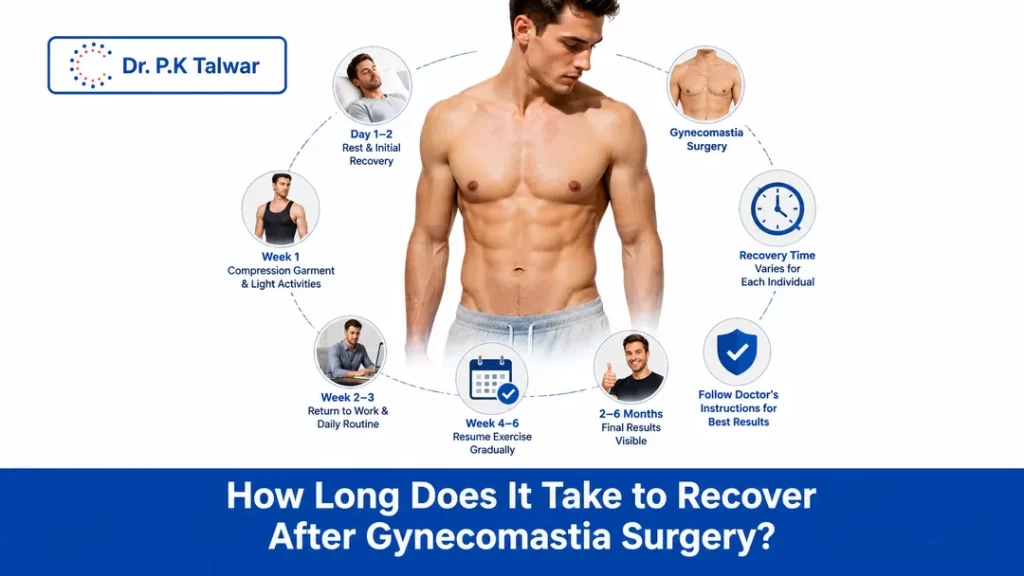
For many men, gynecomastia can affect self-confidence and make everyday activities uncomfortable. Fortunately, Gynecomastia Surgery is a safe and effective solution for reducing excess breast tissue and restoring a more masculine chest contour. However, one of the most common questions patients ask is: How long does it take to recover after gynecomastia surgery? Understanding the Gynecomastia Surgery Recovery Time can help you prepare mentally and physically for the procedure. While every patient heals differently, most individuals can return to their normal routine within a few weeks and enjoy final results within a few months. In this guide, we’ll walk you through the complete Gynecomastia Recovery timeline, what to expect during healing, and tips for achieving the best possible outcome. Understanding Gynecomastia Surgery Recovery Gynecomastia Surgery Recovery is a gradual process that allows your body to heal and adapt to its new shape. The procedure typically involves removing excess glandular tissue, fat, or both to create a flatter and firmer chest appearance. Most patients experience mild swelling, bruising, and discomfort after surgery. These symptoms are temporary and improve significantly within the first few weeks. Following your surgeon’s post-operative instructions plays a crucial role in ensuring smooth healing and optimal results. Recovery After Gynecomastia Surgery: Week-by-Week Timeline First 24–48 Hours The first two days after surgery are focused on rest and recovery. You may experience: Mild pain or soreness Swelling around the chest area Bruising Tightness in the chest Your surgeon will likely recommend wearing a compression garment to reduce swelling and support healing tissues. Most patients can walk around the house within a few hours after surgery. Week 1: Initial Healing Phase During the first week of Recovery After Gynecomastia Surgery, discomfort gradually decreases. Swelling and bruising are still present but begin to improve. Most patients can: Return to light daily activities Take short walks Resume desk-based work within 3–7 days It is important to avoid lifting heavy objects or engaging in strenuous activities during this period. Week 2–3: Increased Comfort and Mobility By the second and third week, patients generally notice significant improvement. During this phase: Bruising largely fades Swelling starts to reduce Chest contour becomes more visible Energy levels improve Many individuals feel comfortable returning to work and social activities. However, intense workouts and chest exercises should still be avoided unless approved by your surgeon. Week 4–6: Returning to Normal Activities This stage marks a major milestone in Male Breast Reduction Surgery Recovery. Most patients experience minimal discomfort and can gradually resume exercise. By this time: Swelling continues to decrease Scars begin to mature Chest shape looks more natural Light gym workouts can often be resumed after four weeks, while heavy lifting and intense chest training may require six weeks or more depending on your surgeon’s recommendations. 2–6 Months: Final Results Appear Although visible improvements occur early, complete healing takes time. The final Gynecomastia Surgery Results usually become noticeable within two to six months as residual swelling resolves. Patients often report: Improved chest definition Enhanced confidence Better-fitting clothing Increased comfort during physical activities The final contour continues to refine over time, providing long-lasting and natural-looking results. Factors That Affect Gynecomastia Recovery Time The exact Gynecomastia Surgery Recovery Time varies from person to person. Several factors can influence how quickly you heal: Surgical Technique Patients requiring gland removal combined with liposuction may have a slightly longer recovery compared to those undergoing a less extensive procedure. Overall Health Individuals who maintain a healthy lifestyle and have no underlying medical conditions often experience faster healing. Following Post-Operative Instructions Wearing compression garments, attending follow-up appointments, and avoiding strenuous activities can significantly improve recovery outcomes. Smoking and Alcohol Consumption Smoking restricts blood flow and can slow the healing process. Avoiding smoking before and after surgery is highly recommended. Tips for Faster Male Breast Reduction Recovery While healing follows its own timeline, there are several ways to support your body’s recovery process. Wear Your Compression Garment Compression garments help minimize swelling and support the newly contoured chest. Stay Hydrated Proper hydration supports tissue repair and reduces inflammation. Eat a Nutrient-Rich Diet Include foods rich in protein, vitamins, and minerals to promote healing. Avoid Intense Exercise Give your body enough time to recover before returning to strenuous activities. Follow Your Surgeon’s Advice Every patient’s situation is unique. Following personalized recommendations ensures a smoother recovery experience. When Can You Return to Work After Gynecomastia Surgery? Most patients can return to office-based work within one week. If your job involves physical labor, your surgeon may recommend waiting three to six weeks before resuming full duties. The timeline depends on the nature of your work and how your body responds during the Gynecomastia Recovery process. Are Gynecomastia Surgery Results Permanent? One of the biggest advantages of Gynecomastia Surgery is that the results are generally long-lasting. Once the excess glandular tissue is removed, it typically does not return. However, maintaining a stable weight and healthy lifestyle is essential for preserving your results. Significant weight gain or hormonal imbalances can affect chest appearance in the future. Choosing the Right Surgeon Matters A successful procedure and smooth Male Breast Reduction Recovery depend heavily on the expertise of your surgeon. Patients considering Gynaecomastia Surgery in Delhi should choose an experienced specialist who understands both the aesthetic and functional aspects of chest contouring. In addition to discussing the procedure, it is also important to understand the Gynaecomastia Surgery Cost in Delhi, as costs may vary based on the complexity of the treatment and the surgeon’s experience. Consulting with the Best cosmetic surgeon in Delhi can help you receive a personalized treatment plan and realistic expectations regarding recovery and results. Conclusion The average Gynecomastia Surgery Recovery Time ranges from a few weeks for daily activities to several months for complete healing and final results. Most patients can return to work within a week, resume exercise within four to six weeks, and enjoy visible improvements throughout the recovery journey. By following your surgeon’s instructions and maintaining a healthy lifestyle, you can ensure a smooth Gynecomastia

How Long Does It Take to Recover After Gynecomastia Surgery? Read More »

Can Cosmetic Surgery Improve Mental Confidence?

Can Cosmetic Surgery Improve Mental Confidence?

In today’s image-conscious world, confidence and self-esteem are often deeply connected to how we feel about our appearance. Whether it is dealing with excess chest fat, stubborn body fat, facial imbalance, or signs of aging, many people silently struggle with insecurities that affect their personal and professional lives. Procedures like Gynaecomastia Surgery in Delhi, Male Breast Surgery in Delhi, Liposuction Surgery in Delhi, and Tummy Tuck Surgery in Delhi are no longer just about physical transformation; they are also helping people regain emotional confidence and self-assurance. Cosmetic surgery is not about becoming someone else. It is about feeling comfortable in your own skin. Today, modern aesthetic procedures are helping both men and women overcome years of self-consciousness and social anxiety, allowing them to feel more confident, expressive, and positive in everyday life. Looking for the Best Hair Transplant Clinic in Hyderabad? Get expert consultation and natural-looking hair restoration results from experienced specialists. Book Free Consultation Call Now The Emotional Side of Appearance Many people underestimate the emotional impact of appearance-related concerns. A person struggling with enlarged male breasts may avoid fitted clothes, swimming pools, or social gatherings. Similarly, stubborn belly fat or loose skin after weight loss can affect body image and confidence. This is why procedures like Gynaecomastia Surgery in Delhi and Liposuction Surgery in Delhi have become increasingly popular. These surgeries are not simply cosmetic upgrades; for many patients, they are life-changing confidence boosters. When people feel better about their appearance, they often experience: Improved self-esteem Greater social confidence Reduced anxiety in public settings Better body image Increased motivation for healthy living How Gynaecomastia Surgery Helps Men Regain Confidence Gynecomastia, commonly known as enlarged male breasts, is a condition that affects thousands of men. It can happen due to hormonal imbalance, genetics, obesity, or certain medications. Unfortunately, many men hesitate to talk openly about it. Undergoing Male Breast Surgery in Delhi can significantly improve confidence levels. After surgery, patients often feel more comfortable wearing fitted clothes, participating in fitness activities, and socializing without embarrassment. Many patients researching Gynaecomastia Surgery Cost in Delhi are not only looking for affordability but also long-term emotional relief. The psychological benefits of gynecomastia surgery are often just as important as the physical transformation. Body Contouring and Mental Well-Being Body contouring procedures such as Liposuction Surgery in Delhi and tummy tuck surgery can also positively impact mental confidence. Despite maintaining a healthy diet and exercise routine, some people struggle with stubborn fat deposits or loose abdominal skin. A slimmer and more proportionate body shape can help people feel more energetic, attractive, and self-assured. Procedures like liposuction are often chosen by individuals who want to refine body contours and achieve a more balanced appearance. Patients frequently ask about Liposuction Cost in Delhi because they view the procedure as an investment in both physical appearance and emotional well-being. Similarly, Tummy Tuck Surgery in Delhi is commonly chosen after pregnancy or massive weight loss to restore abdominal firmness and confidence. Cosmetic Surgery Is About Personal Choice One of the biggest misconceptions about cosmetic surgery is that it is driven only by vanity. In reality, most patients choose aesthetic procedures for deeply personal reasons. Someone may opt for: Rhinoplasty (Nose Surgery) to improve facial balance Eyelid Surgery to look refreshed and less tired Face-lift procedures to restore youthful confidence Cheek Augmentation or Chin Augmentation for better facial harmony Dimple Creation to enhance facial attractiveness Fat Injection or Fillers for volume restoration These procedures are often about correcting features that have caused long-term insecurity rather than chasing unrealistic beauty standards. Confidence in Professional and Social Life Confidence plays a major role in communication, relationships, and career growth. People who feel insecure about their appearance may avoid photographs, presentations, meetings, or social interactions. After cosmetic procedures, many patients report feeling: More confident during interviews and meetings More comfortable speaking publicly More active socially More positive in relationships Aesthetic treatments can also motivate individuals to maintain healthier lifestyles and self-care routines. The Importance of Realistic Expectations While cosmetic surgery can improve self-confidence, it is important to have realistic expectations. Surgery should not be viewed as a solution to every emotional challenge. A qualified Cosmetic Surgeon in Delhi or an experienced Plastic Surgeon in Delhi focuses on creating natural-looking improvements that enhance a patient’s existing features. The best outcomes happen when patients choose surgery for themselves not due to outside pressure or unrealistic social media standards. Choosing the Right Cosmetic Surgeon The expertise of the surgeon plays a critical role in both physical and emotional satisfaction after surgery. Whether someone is considering Breast Augmentation in Delhi, Breast Reduction Surgery in Delhi, Alarplasty Surgery, or Mommy Makeover Surgery in Delhi, selecting a skilled and experienced surgeon is essential. A good surgeon will: Understand the patient’s goals Provide honest guidance Explain risks and recovery clearly Focus on natural and balanced results Prioritize patient safety and mental well-being Modern Cosmetic Procedures Are More Advanced Than Ever Advancements in cosmetic surgery technology have made procedures safer, more precise, and less invasive than before. Treatments such as Pulsed Dye Laser, facial rejuvenation procedures, scar revision for Scars, and minimally invasive enhancements now offer faster recovery and more natural results. Patients today also explore treatments like: Eyebrow Lift Surgery Facial R procedures for rejuvenation vaginal tightening surgery in Delhi Lipoma Surgery in Delhi Hair Transplant in Delhi Hair Transplant in South Delhi Hair restoration procedures, in particular, have shown strong psychological benefits for people experiencing hair loss. Many patients searching for Hair Transplant cost in Delhi are motivated by the desire to restore self-confidence and youthful appearance. Similarly, patients interested in rhinoplasty surgery in Delhi often seek both aesthetic refinement and improved facial confidence. Understanding the Rhinoplasty Surgery Cost in Delhi helps patients plan their transformation journey more confidently. Cosmetic Surgery and Self-Acceptance Interestingly, many people who undergo cosmetic surgery report greater self-acceptance afterward. The goal is not perfection; it is comfort and confidence. Feeling good about your appearance can reduce emotional stress and allow you to

Can Cosmetic Surgery Improve Mental Confidence? Read More »

Botox vs Fillers Which Anti-Aging Treatment Is Better

Botox vs Fillers: Which Anti-Aging Treatment Is Right for You?

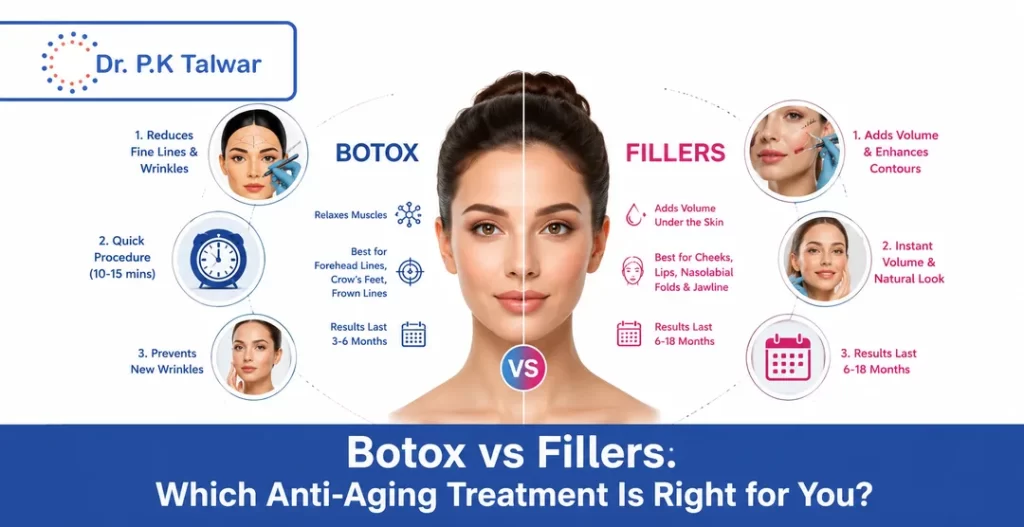
Aging is a natural process, but modern cosmetic treatments make it easier to maintain youthful and refreshed skin. When it comes to non-surgical facial rejuvenation, the debate around Botox vs fillers is one of the most common. Many people want smoother skin, reduced wrinkles, and a younger appearance, but they often get confused about the difference between Botox and fillers. Both treatments are popular anti-aging solutions, yet they work in completely different ways. Choosing the best anti-aging treatment depends on your skin concerns, age, facial structure, and desired results. Whether you are considering Botox Treatment in Delhi or exploring filler treatment in Delhi, understanding these procedures can help you make the right decision. In this guide, we’ll explain how Botox and fillers work, their benefits, differences, and which treatment may suit you best. What is Botox? Botox is a cosmetic injectable treatment that helps reduce dynamic wrinkles caused by repeated facial movements. It contains a purified protein that temporarily relaxes targeted facial muscles. Common areas treated with Botox include: Forehead lines Crow’s feet around the eyes Frown lines between the eyebrows Bunny lines on the nose Botox works by preventing muscle contractions, which smooths the appearance of wrinkles and prevents them from becoming deeper over time. Many people choose Botox Treatment in Delhi because it is quick, minimally invasive, and requires little to no downtime. What are Dermal Fillers? Dermal fillers are gel-like substances injected beneath the skin to restore lost volume, enhance facial contours, and smooth static wrinkles. Unlike Botox, fillers do not relax muscles. Instead, they add fullness and hydration to specific areas of the face. Common treatment areas include: Lips Cheeks Jawline Nasolabial folds Under-eye hollows Most Dermal Fillers in Delhi contain hyaluronic acid, a substance naturally found in the skin that helps maintain moisture and volume. Fillers are ideal for people who want a fuller, more youthful appearance without surgery. Difference Between Botox and Fillers Understanding the difference between Botox and fillers is important before choosing a treatment. Botox Fillers Relaxes muscles Adds volume Treats dynamic wrinkles Treats static wrinkles Best for forehead and eye lines Best for cheeks, lips, and folds Results last 3–6 months Results last 6–18 months Prevents wrinkle formation Restores youthful fullness In simple words: Botox reduces movement-related wrinkles. Fillers restore facial volume and contour. Both treatments can also be combined for more comprehensive facial rejuvenation. Botox vs Fillers: Which is Better? The answer depends on your skin concerns and aesthetic goals. Choose Botox If: You have forehead lines or crow’s feet Your wrinkles appear during facial expressions You want wrinkle prevention You prefer subtle anti-aging maintenance Choose Fillers If: You have volume loss in the cheeks or lips You want facial contouring You have deep smile lines You want fuller lips or under-eye correction Many cosmetic experts consider a combination approach to be the best anti-aging treatment because it addresses both wrinkles and volume loss. Benefits of Botox Botox has become one of the most popular cosmetic procedures worldwide due to its quick results and convenience. Key Benefits: Smooths fine lines and wrinkles Prevents deeper wrinkle formation Non-surgical treatment Quick procedure with minimal discomfort No major recovery time Natural-looking results when done correctly Patients seeking Botox Treatment in Delhi often prefer it because treatments are fast and can even be completed during a lunch break. Benefits of Dermal Fillers Dermal fillers are ideal for restoring youthful facial structure and enhancing facial features naturally. Key Benefits: Restores lost facial volume Enhances lips and cheeks Improves facial symmetry Provides instant, visible results Hydrates and plumps the skin Non-surgical and minimally invasive Today, filler treatment in Delhi is highly popular among individuals who want facial rejuvenation without undergoing cosmetic surgery. Are Botox and Fillers Safe? Yes, both Botox and fillers are considered safe when performed by qualified and experienced cosmetic professionals. However, safety depends heavily on: The expertise of the injector The quality of the products used Proper facial assessment Hygienic treatment standards Choosing the Best Cosmetic Clinic for Botox in Delhi is extremely important to achieve natural-looking and safe results. Always avoid unqualified practitioners offering unusually cheap treatments, as incorrect injections can lead to complications and unnatural appearances. How Long Do Results Last? Botox Results: Start appearing within 3–7 days Last around 3–6 months Fillers Results: Visible immediately after treatment Lasts between 6 and 18 months, depending on the filler type Maintenance sessions help preserve long-term results and youthful skin appearance. Can Botox and Fillers Be Combined? Yes, combining Botox and fillers is very common and often delivers the best results. This approach is sometimes called a “liquid facelift” because it: Softens wrinkles Restores facial volume Improves facial balance Creates a fresher and younger appearance For example: Botox can smooth forehead lines. Fillers can enhance cheeks and lips. Together, they create more balanced facial rejuvenation. Things to Consider Before Treatment Before getting Botox or fillers, keep these points in mind: Consultation Matters A proper facial analysis helps determine the right treatment plan. Natural Results Are Better The goal should be enhancement, not overdone features. Choose Experienced Specialists Selecting the Best Cosmetic Clinic for Botox in Delhi ensures safe procedures and better outcomes. Follow Aftercare Instructions Proper aftercare improves results and minimizes swelling or bruising. Final Thoughts When comparing Botox vs fillers, there is no single treatment that works for everyone. The right option depends on your facial concerns and desired outcome. If your goal is to reduce expression lines and prevent wrinkles, Botox may be ideal. If you want to restore facial volume or enhance features, fillers can provide excellent results. Understanding the difference between Botox and fillers helps you make an informed decision and achieve natural-looking rejuvenation. In many cases, combining both treatments offers the best anti-aging treatment for smoother, fresher, and younger-looking skin. If you are considering Botox Treatment in Delhi or exploring Dermal Fillers in Delhi, always consult experienced cosmetic professionals who can recommend personalized treatment plans based on your facial anatomy and goals.

Botox vs Fillers: Which Anti-Aging Treatment Is Right for You? Read More »

Best Surgeries After Weight Loss: What You Really Need?

Best Surgeries After Weight Loss: What You Really Need?

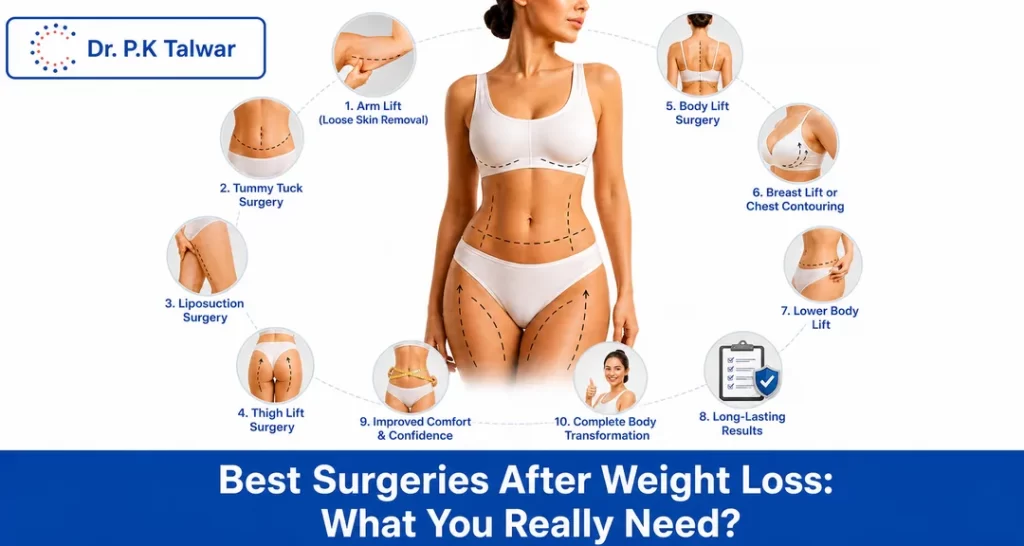
Losing a significant amount of weight is a huge achievement, but for many people, the journey doesn’t end there. After shedding excess kilos, loose and sagging skin can remain, affecting both appearance and confidence. This is where body contouring surgery and other plastic surgery after weight loss procedures come into play. These treatments are designed to reshape your body, remove excess skin, and enhance your final transformation. If you’re considering cosmetic surgery after weight loss, understanding the right procedures is essential. This guide will help you explore the most effective options and what you truly need based on your goals. Why Consider Surgery After Weight Loss? After major weight loss, whether through diet, exercise, or bariatric surgery, the skin often loses elasticity. This leads to: Loose, hanging skin Difficulty maintaining hygiene Skin irritation or infections Reduced confidence despite weight loss success This is why post-weight-loss surgery is not just cosmetic; it can also improve comfort, mobility, and overall quality of life. 1. Tummy Tuck Surgery (Abdominoplasty) One of the most popular procedures after weight loss is a tummy tuck surgery. What it does: Removes excess skin and fat from the abdomen Tightens weakened abdominal muscles Creates a flatter, firmer stomach Who it’s for: If you have loose skin around your belly that doesn’t improve with exercise, this is often the best solution. Why it’s popular: It delivers dramatic results and is often considered among the best plastic surgery procedures after weight loss. 2. Liposuction Surgery Liposuction surgery is ideal for targeting stubborn fat pockets that remain even after weight loss. What it does: Removes localized fat deposits Enhances body contours Improves overall shape Important note: Liposuction is not a weight-loss procedure; it’s a contouring method. It works best when combined with other procedures like loose skin removal surgery. 3. Body Lift Surgery For individuals with massive weight loss, body lift surgery is often the most comprehensive option. What it does: Removes excess skin from the abdomen, thighs, buttocks, and lower back Tightens underlying tissues Improves overall body shape Types of body lifts: Lower body lift Upper body lift Full body lift This is a highly effective excess skin removal surgery for people dealing with sagging skin across multiple areas. 4. Arm Lift (Brachioplasty) Loose skin in the upper arms is very common after weight loss. What it does: Removes sagging skin from arms Creates a toned, defined look This procedure is often combined with other body contouring surgery options for balanced results. 5. Thigh Lift Surgery After weight loss, thighs may appear loose or uneven. What it does: Removes excess skin from inner or outer thighs Improves leg contour and firmness It’s a key part of plastic surgery after weight loss, especially for those wanting a complete lower-body transformation. 6. Breast Lift or Chest Contouring Weight loss can significantly affect the chest area in both men and women. For women: Breast lift (mastopexy) Breast augmentation (if volume loss occurs) For men: Chest contouring or gynecomastia correction These procedures enhance symmetry and restore a youthful appearance. Choosing the Right Combination of Procedures Most patients don’t need just one surgery. A customized approach is often recommended: Tummy tuck + liposuction surgery for abdominal contouring Body lift surgery + thigh lift for lower body transformation Arm lift + breast lift for upper body refinement Consulting the best cosmetic surgeon is crucial to creating a safe and effective treatment plan tailored to your body. When Is the Right Time for Surgery? Timing plays a critical role in achieving optimal results. You should consider surgery when: Your weight has stabilized for at least 6 months You are close to your ideal weight You are in good overall health You have realistic expectations Rushing into post-weight-loss surgery too early can affect results and recovery. Recovery and Results Recovery varies depending on the procedures performed: Minor procedures: 1–2 weeks recovery Major surgeries (like body lift surgery): 3–6 weeks recovery Results: Immediate improvement in body contour Final results visible after swelling subsides Long-lasting outcomes with proper lifestyle maintenance Risks and Considerations Like any surgical procedure, cosmetic surgery after weight loss comes with potential risks: Scarring Infection Temporary swelling or discomfort Choosing an experienced cosmetic surgeon in Delhi significantly reduces these risks and ensures better results. How to Choose the Right Surgeon Your results depend heavily on your surgeon’s expertise. Look for: Board certification Experience in post-weight-loss surgery Before-and-after case studies Transparent consultation process If you’re searching for a cosmetic surgeon for after weight loss surgery, prioritize skill, experience, and patient reviews over cost alone. Final Thoughts Achieving your weight loss goals is only half the journey. Refining your body through the right procedures can help you fully enjoy your transformation. Whether it’s tummy tuck surgery, liposuction surgery, or a complete body lift surgery, each option plays a role in restoring confidence and comfort. The key is to choose the right combination of treatments based on your body type and goals. With guidance from the best cosmetic surgeon, you can achieve natural-looking, long-lasting results that truly reflect your hard work.

Best Surgeries After Weight Loss: What You Really Need? Read More »