
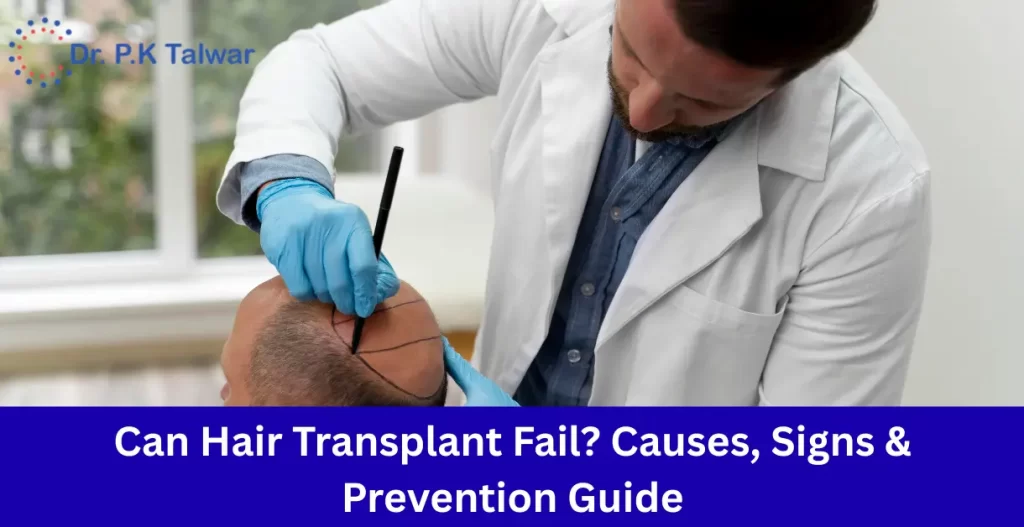
Hair transplant surgery has become one of the most trusted solutions for hair loss. Thousands of people choose this treatment every year to restore their hairline and confidence. However, many patients still ask an important question — Can Hair Transplant Fail?
The simple answer is yes, a hair transplant can fail in some cases. But the good news is that most failures happen due to avoidable reasons. Choosing the right surgeon, following proper aftercare, and understanding the procedure can greatly improve success rates.
In this article, we will explain why hair transplants fail, the warning signs, and how you can achieve better results.
What Does Hair Transplant Failure Mean?
A failed hair transplant means the transplanted hair does not grow properly or the final results look unnatural. In some cases, patients may experience poor hair density, uneven hairlines, visible scars, or continued hair loss after surgery.
A successful hair transplant should provide:
- Natural-looking hair growth
- Proper hair density
- Long-lasting results
- Minimal scarring
When these expectations are not met, patients may feel disappointed with the outcome.
Common Reasons Why Hair Transplants Fail
Choosing an Inexperienced Surgeon
One of the biggest reasons for hair transplant failure is selecting an unqualified or inexperienced surgeon. Hair transplant surgery requires skill, precision, and artistic planning. Poor graft placement or incorrect extraction techniques can damage hair follicles permanently.
Many people search for experienced specialists before choosing a Hair Transplant in Delhi because advanced clinics and qualified surgeons can improve the chances of successful results.
Poor Donor Hair Quality
The donor area usually comes from the back or sides of the scalp. If the donor hair is weak or limited, the transplant may not provide enough coverage or density.
A good surgeon always evaluates donor hair strength before recommending surgery.
Incorrect Hairline Design
A badly designed hairline can make the transplant look fake or unnatural. Hairline planning should match the patient’s age, face shape, and future hair loss pattern.
Natural-looking results depend heavily on proper design and graft placement.
Poor Aftercare
Aftercare plays a major role in transplant success. Many patients damage grafts by:
- Touching or scratching the scalp
- Smoking after surgery
- Exercising too early
- Ignoring medication instructions
Newly transplanted grafts are delicate during the first few weeks. Proper care helps them survive and grow successfully.
Infection or Scalp Problems
Although rare, infections can affect graft survival. Poor hygiene or untreated scalp conditions may slow healing and damage transplanted follicles.
Patients should always follow cleaning instructions carefully after surgery.
Unrealistic Expectations
Some patients expect full hair density immediately after surgery. Hair growth takes time. Final results usually appear between 8 to 12 months after the procedure.
Temporary shedding during the first few weeks is normal and does not mean the transplant has failed.
Signs of a Failed Hair Transplant
Here are some common signs that may indicate a problem:
Very Low Hair Growth
If very little hair grows after several months, graft survival may be poor.
Unnatural Hairline
Hair may look uneven, pluggy, or artificial.
Visible Scarring
Large or noticeable scars may appear due to poor surgical technique.
Patchy Appearance
Hair grows unevenly in different areas.
Continued Hair Loss
Existing hair around the transplant area may continue thinning if not properly managed.
Can a Failed Hair Transplant Be Fixed?
Yes, in many cases doctors can repair failed hair transplants. Corrective procedures may include:
- Hair transplant revision surgery
- Scar correction
- Hairline redesign
- Additional graft placement
However, repair procedures depend on donor hair availability and scalp condition.
How to Avoid Hair Transplant Failure?
Research the Surgeon Carefully
Always choose a qualified and experienced hair transplant surgeon. Look at before-and-after photos, patient reviews, and clinic reputation.
Follow Aftercare Instructions
Take medications on time and avoid activities that may damage grafts.
Be Patient with Results
Hair growth takes time. Do not panic during the shedding phase.
Maintain Healthy Lifestyle Habits
Smoking, stress, poor diet, and lack of sleep can affect hair growth and healing.
Discuss Realistic Expectations
Talk openly with your surgeon about achievable density and results.
What Is the Success Rate of Hair Transplants?
Modern hair transplant techniques such as FUE and FUT have high success rates when performed correctly. In many cases, graft survival rates can reach 90–95%.
The final outcome depends on:
- Surgeon experience
- Donor hair quality
- Patient health
- Post-surgery care
Final Thoughts
So, can hair transplant fail? Yes, it can happen, but most failures are preventable. Choosing the right clinic, following proper aftercare, and having realistic expectations are the keys to successful results.
If you are considering a Hair Transplant in Delhi, make sure you consult an experienced specialist who understands both the medical and aesthetic aspects of hair restoration. A properly planned hair transplant can provide natural-looking, long-lasting hair growth and improve your confidence significantly.