
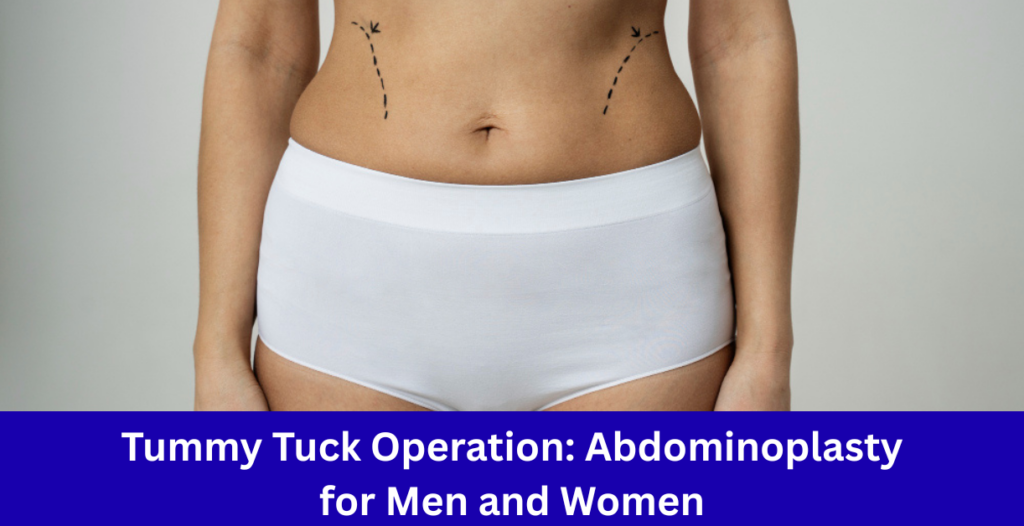
Many people consider an abdominoplasty tummy tuck when they’ve reached a point where exercise, weight loss, or lifestyle modifications no longer address loose abdominal skin or weakened muscles. Whether the concern is post-pregnancy changes, after-weight-loss skin folds, or long-standing abdominal laxity, this procedure can offer both functional and aesthetic improvement.
This guide is written to help patients—men and women alike—understand how the procedure works, what results are realistic, and what to expect before and after surgery.
Understanding the Abdominoplasty Tummy Tuck
A tummy tuck is a reconstructive and cosmetic procedure that focuses on reshaping the abdominal wall by tightening muscles and removing redundant skin and fat. Although often associated with cosmetic enhancement, many patients experience functional benefits such as improved posture, reduced skin irritation, and better core stability.
For individuals considering a tummy tuck operation, it’s important to understand that the goal isn’t weight loss but refinement of the body’s midsection.
Who May Benefit From This Procedure?
Ideal candidates often include:
- Women who have experienced pregnancy-related muscle separation
- Men and women with significant weight-loss-related laxity
- Individuals experiencing persistent lower abdominal bulges
- Those with stable body weight and generally good health
Whether it’s a tummy tuck for woman seeking to restore the abdomen after childbirth, or a male tummy tuck aimed at removing excess skin after weight loss, the core criteria remain similar: healthy expectations, stable weight, and the desire to improve abdominal contour.
Patients planning future pregnancies are usually advised to postpone the procedure to protect results.
How a Tummy Tuck Operation Works
Although techniques vary slightly by surgeon and anatomy, most tummy tuck procedures follow a similar structure:
Evaluation & Planning
The initial consultation involves examining the abdominal area, identifying weakened muscles, and determining how much skin needs removal.
Anaesthesia
General anaesthesia is typically used.
Incision Placement
Most surgeons make a low, horizontal incision positioned to be concealed beneath undergarments.
Muscle Repair
If the abdominal muscles are separated—a common issue after pregnancy—the surgeon brings them back together, providing improved abdominal support.
Excess Skin Removal
Loose skin is carefully excised, and the remaining skin is repositioned for a smoother, firmer contour.
Navel Reshaping
When the skin is tightened, the belly button is repositioned to a natural location.
Closing the Incisions
Layered sutures help support healing and minimize scarring.
The procedure may take anywhere from two to four hours, depending on the extent of correction.
Variations of the Procedure
Mini Tummy Tuck
Addresses mild lower-abdominal looseness with a smaller incision and quicker recovery.
Full Abdominoplasty
The most common form, suitable for patients with laxity across the entire abdomen.
Extended Tummy Tuck
Often recommended after massive weight loss; this addresses the abdomen, flanks, and sometimes the lower back.
Benefits Beyond Aesthetics
Many individuals are surprised by the functional improvements that follow a tummy tuck. When abdominal muscles are tightened, posture can improve, and some patients report a reduction in lower-back discomfort. Rashes and skin infections under overhanging folds may also lessen once excess tissue is removed.
Psychological benefits—such as increased confidence and improved comfort during physical activity—are also frequently reported.
Understanding Risks
All surgical procedures carry some element of risk. For tummy tucks, potential complications may include infection, delayed wound healing, seroma formation, and temporary numbness. A thorough consultation and choosing an experienced surgeon help minimize these risks.
The Recovery Process
Patients undergoing a tummy tuck should plan for a recovery period that spans several weeks.
First Week
Expect swelling, a sensation of tightness, and reduced mobility. Light walking is encouraged to promote circulation.
Two to Four Weeks
Bruising improves, discomfort reduces, and many return to desk-based work.
Six to Twelve Weeks
Most normal activities and exercise routines can be resumed, depending on surgeon guidance.
Long-Term
Scars gradually lighten and soften over several months.
Choosing Tummy Tuck Surgery in Delhi
Delhi has become a preferred destination for individuals seeking this procedure due to the availability of experienced plastic surgeons, modern healthcare infrastructure, and cost-effective treatment options. For patients exploring Tummy Tuck Surgery in Delhi, the combination of affordability and expertise often stands out.
Tummy Tuck Cost in Delhi
The Tummy Tuck Cost in Delhi depends on factors such as the surgeon’s credentials, hospital facilities, anesthesia, and whether additional contouring like liposuction is performed.
Typical cost ranges between ₹95,000 to ₹2,50,000 or more, depending on individual requirements.
Related Body-Contouring Procedures
Some patients inquire about complementary procedures:
-
Gynaecomastia Surgery Cost in Delhi varies by severity but is generally accessible and often paired with male body-contouring procedures.
-
Lipoma Surgery in Delhi may be recommended when benign fatty lumps are present; removal is usually minor and done under local anesthesia.
Expected Results
While patients see an immediate difference after surgery, the final outcome takes time. As swelling subsides and tissues settle, the abdomen appears smoother, firmer, and more proportionate to the body.
Maintaining a healthy lifestyle greatly contributes to long-lasting results.
FAQ (abdominoplasty tummy tuck)
1. What exactly does an abdominoplasty tummy tuck correct?
It removes loose skin, tightens abdominal muscles, and reshapes the midsection, especially after pregnancy or weight loss.
2. How intensive is a tummy tuck operation?
A tummy tuck operation is moderately intensive and typically requires a few hours in the operating room under general anesthesia.
3. Does a tummy tuck help with muscle separation after pregnancy?
Yes, repairing muscle separation is one of the core benefits, particularly in tummy tuck for woman candidates.
4. How is a male tummy tuck different from a female one?
A male tummy tuck often focuses on creating a straight, firm abdominal contour, while women may require muscle repair due to pregnancy.
5. Will I see results right away?
Yes, although swelling in the early weeks may partially hide the final outcome.
6. Does a tummy tuck remove stretch marks?
Some stretch marks below the navel may be removed if they fall within the area of excess skin.
7. How long is recovery after a tummy tuck?
Most patients need one to two weeks before returning to light work and up to two to three months before full activity.
8. Is a tummy tuck considered safe?
Yes, when performed by a qualified surgeon, it is generally safe, but like all surgeries, it carries inherent risks.
9. Can a tummy tuck help with posture?
For many, muscle tightening improves core stability, which can positively influence posture.
10. Are drains used after a tummy tuck operation?
Some surgeons use drains temporarily to prevent fluid buildup, though drainless techniques exist.
11. Can men undergo this procedure even if they exercise?
Absolutely—men who have lost weight or developed loose skin often benefit from a male tummy tuck.
12. Is a mini tummy tuck enough for mild sagging?
Yes, it can be ideal for patients with limited lower-abdomen looseness.
13. Will I lose weight from a tummy tuck?
Only a small amount, due to skin and fat removal; it is not meant for weight loss.
14. How long do results of an abdominoplasty tummy tuck last?
With stable weight, results are long-lasting and often permanent in terms of muscle repair.
15. Can I get pregnant after the procedure?
Yes, pregnancy is possible, though many surgeons advise completing family planning first.
16. Does a tummy tuck for woman help after a C-section?
It can significantly improve the abdominal area and sometimes refine C-section scar appearance.
17. Will the scar be noticeable?
The scar is positioned low, generally hidden by underwear or swimwear.
18. Do men and women heal at the same pace?
Healing is similar, though incision placement and contour goals may differ in male tummy tuck cases.
19. How soon can I exercise again?
Light walking begins early, but more active movement usually resumes after six to eight weeks.
20. Is liposuction commonly combined with a tummy tuck?
Yes, many surgeons add liposuction for better contouring.
21. Can upper abdominal bulges be corrected?
Yes, especially when muscle tightening and liposuction are combined.
22. How long before I can stand upright comfortably?
Most patients stand fully upright within several days as tightness begins easing.
23. Does a tummy tuck help with confidence?
For many, improved body contour contributes to increased self-confidence and ease in clothing.
24. Is there an age limit for the procedure?
Age isn’t the deciding factor—overall health is more important.
25. How do I know if a tummy tuck is right for me?
A consultation with a qualified plastic surgeon helps determine whether your goals align with what the procedure can safely deliver.