Author name: Dr. PK Talwar

Things to Know Before Getting Cosmetic Surgery for the First Time

Things to Know Before Getting Cosmetic Surgery for the First Time

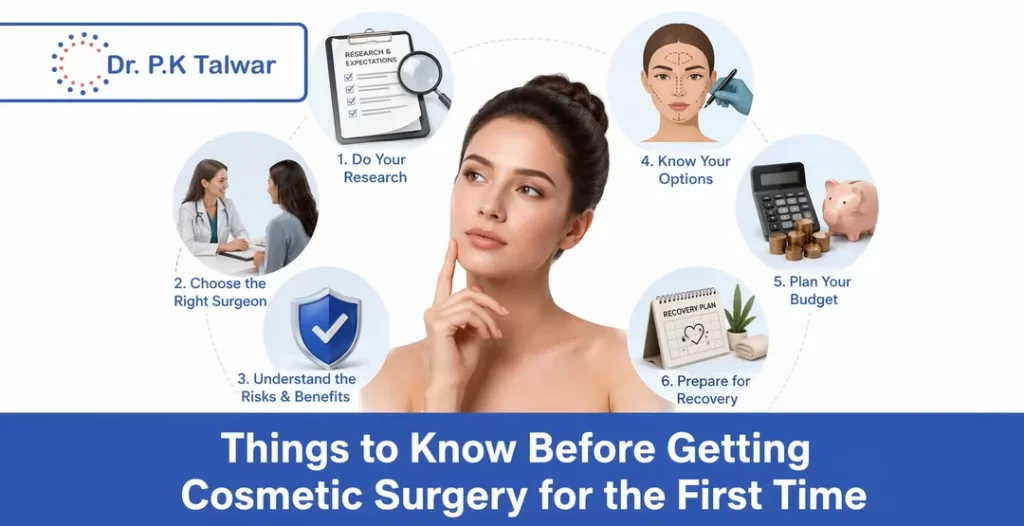
Cosmetic surgery is no longer just for celebrities; it has become a mainstream option for people who want to enhance their appearance, boost confidence, or correct specific concerns. However, deciding to undergo your first cosmetic procedure is a big step that requires thoughtful planning, realistic expectations, and the right guidance. If you’re considering surgery for the first time, this comprehensive guide will help you understand what truly matters before going under the knife. 1. Understand Your Motivation Before anything else, ask yourself why you want cosmetic surgery. Is it for personal confidence, or are you feeling pressured by social media or others? The best candidates for cosmetic procedures are those who: Have realistic expectations Want improvement, not perfection Are making the decision for themselves Procedures like breast augmentation surgery, gynecomastia surgery, or a chin reshaping procedure can enhance your features, but they won’t change your life overnight. A healthy mindset is crucial for satisfaction. 2. Research the Right Procedure Cosmetic surgery is not one-size-fits-all. Each procedure has its own technique, recovery time, and results. Here are some commonly chosen procedures: Rhinoplasty – Commonly searched as rhinoplasty surgery in Delhi, this procedure reshapes the nose for better aesthetics and breathing. Liposuction – Popular as a liposuction treatment in Delhi, it targets stubborn fat deposits. Hair Transplant – A widely preferred hair transplant procedure for hair loss solutions. Gynecomastia Surgery – Helps men achieve a more masculine chest. Breast Augmentation – Enhances breast size and shape. Facelift Surgery – Often searched as facelift surgery in Delhi, it reduces visible signs of aging. Blepharoplasty – Also known as eyelid surgery (blepharoplasty), it rejuvenates tired-looking eyes. Chin Reshaping – Improves facial balance and profile. Make sure you clearly understand the procedure, including risks, benefits, and expected outcomes. 3. Choose a Qualified Surgeon Your results depend heavily on your surgeon’s skill. Always select a board-certified and experienced cosmetic surgeon. Here’s what to check: Certifications and qualifications Before-and-after patient photos Reviews and testimonials Experience in your specific procedure For example, if you’re considering rhinoplasty surgery in Delhi or liposuction treatment in Delhi, look for a specialist who has a strong portfolio in those areas. 4. Know the Risks and Limitations Every surgical procedure comes with risks. These may include: Infection Scarring Anesthesia complications Unsatisfactory results Even minimally invasive procedures carry some level of risk. Understanding these factors helps you make an informed decision rather than an emotional one. 5. Have Realistic Expectations One of the biggest mistakes first-time patients make is expecting “perfect” results. Cosmetic surgery can: ✔ Enhance your appearance ✔ Improve symmetry ✔ Boost confidence But it cannot: ✘ Guarantee perfection ✘ Completely change your identity ✘ Solve deeper emotional issues For example, a hair transplant procedure can restore hair density, but it may take months to see full results. 6. Understand the Recovery Process Recovery is often underestimated. Each procedure has a different healing timeline: Liposuction treatment in Delhi: 1–2 weeks of initial recovery Rhinoplasty surgery in Delhi: Swelling may last several weeks Facelift surgery in Delhi: Full recovery may take a few months Eyelid surgery (blepharoplasty): Faster healing, but visible bruising initially You may need: Time off work Assistance at home Follow-up appointments Plan your schedule accordingly to avoid unnecessary stress. 7. Budget Beyond the Surgery Cost Cosmetic surgery is an investment not just financially, but emotionally and physically. Costs may include: Surgeon’s fee Hospital charges Medication Post-surgery garments Follow-up visits Procedures like breast augmentation surgery or gynecomastia surgery can vary widely in price depending on complexity and location. 8. Be Honest During Consultation Transparency with your surgeon is essential. Discuss: Medical history Allergies Current medications Lifestyle habits (smoking, alcohol) This helps reduce risks and ensures the best possible outcome. If you’re considering multiple procedures like a chin reshaping procedure along with facelift surgery in Delhi, your surgeon can guide you on whether it’s safe to combine them. 9. Avoid Rushing the Decision Take your time. Cosmetic surgery is not something you should decide overnight. Ask yourself: Have I done enough research? Am I mentally prepared? Do I trust my surgeon? A good clinic will never pressure you into making a quick decision. 10. Focus on Long-Term Results Cosmetic surgery is not just about immediate transformation; it’s about long-term satisfaction. Maintaining results often requires: Healthy lifestyle Skincare routine Regular follow-ups For example: A facelift surgery in Delhi can last years with proper care A hair transplant procedure requires ongoing hair maintenance Final Thoughts Getting cosmetic surgery for the first time can feel overwhelming, but with the right knowledge and preparation, it can be a positive and empowering experience. Whether you’re considering rhinoplasty surgery in Delhi, liposuction treatment in Delhi, or procedures like gynecomastia surgery, breast augmentation surgery, or eyelid surgery (blepharoplasty), always prioritize safety, research, and realistic expectations. Your goal should not be perfection but confidence and comfort in yourself.

Things to Know Before Getting Cosmetic Surgery for the First Time Read More »
Plastic Surgery vs Non-Surgical Treatments Which One is Right for You

Plastic Surgery vs Non-Surgical Treatments: Which One is Right for You?

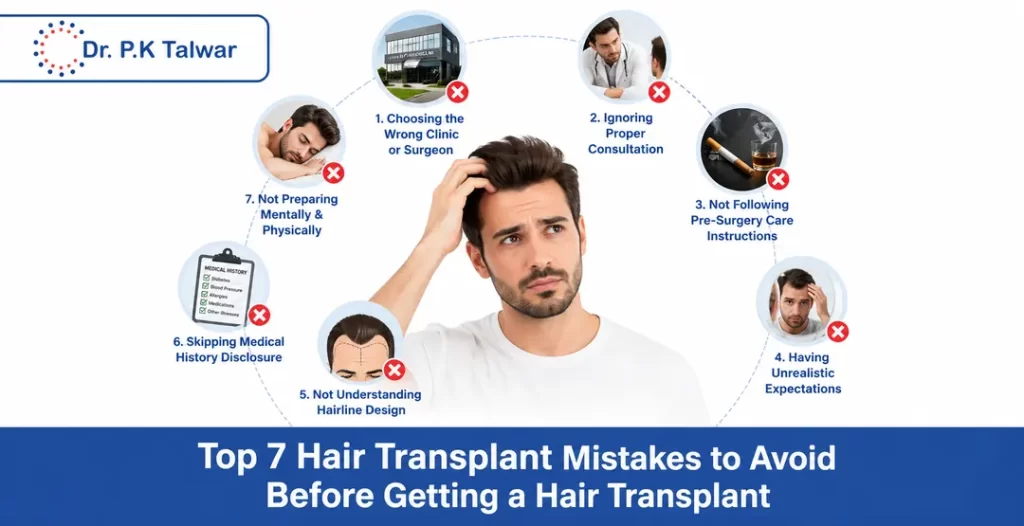
In today’s world of advanced aesthetics, improving your appearance is more accessible than ever. From Rhinoplasty surgery in Delhi to quick lunchtime procedures like Botox treatment for wrinkles, people now have multiple options to enhance their looks. But the big question remains: Should you go for plastic surgery or choose non-surgical treatments? Understanding the difference between these two approaches is essential before making a decision. This guide will help you explore both options, compare their benefits, and determine what suits your goals best. What is Plastic Surgery? Plastic surgery refers to invasive medical procedures designed to alter or reconstruct specific parts of the body. These procedures are usually permanent and performed by certified surgeons. Common Plastic Surgery Procedures Rhinoplasty surgery in Delhi (Nose reshaping surgery) to improve facial balance Hair transplant surgery in Delhi for permanent hair restoration Chin reshaping surgery to enhance jawline definition Acelift surgery procedure for long-lasting facial rejuvenation Plastic surgery is often chosen by individuals looking for dramatic and permanent changes. Benefits of Plastic Surgery Long-lasting or permanent results Significant transformation possible Ideal for structural corrections One-time procedure in most cases Drawbacks Higher cost compared to non-surgical options Requires downtime and recovery Risk of complications if not done by experts What are Non-Surgical Treatments? Non-surgical treatments are minimally invasive or completely non-invasive procedures designed to enhance appearance without surgery. These treatments are gaining popularity due to convenience and quick results. Popular Non-Surgical Options Botox treatment for wrinkles to smooth fine lines Dermal fillers for the face to restore volume and contour Non-surgical facelift options for lifting and tightening skin Skin tightening treatment using advanced technologies PRP therapy for hair loss for natural hair regrowth Laser skin treatment for pigmentation, acne scars, and glow Anti-aging treatments in Delhi for overall skin rejuvenation Benefits of Non-Surgical Treatments Minimal or no downtime Quick procedures (often under an hour) Lower upfront cost Natural-looking results Drawbacks Temporary results (require maintenance sessions) Limited correction compared to surgery Multiple sessions may be needed Plastic Surgery vs Non-Surgical Treatments: Key Differences 1. Results Duration Plastic surgery offers permanent or long-term results, while non-surgical treatments like Dermal fillers for the face or Botox treatment for wrinkles require regular touch-ups. 2. Recovery Time Procedures like Hair transplant surgery in Delhi or Chin reshaping surgery may need weeks of recovery. In contrast, treatments like Laser skin treatment or PRP therapy for hair loss allow you to resume normal activities almost immediately. 3. Cost Comparison Surgical procedures involve higher one-time costs. Non-surgical treatments are more affordable initially but may cost more over time due to the need for repeated sessions. 4. Risk Factor Surgery carries higher medical risks, while non-surgical treatments are generally safer when performed by trained professionals. When Should You Choose Plastic Surgery? Plastic surgery is the right choice if: You want permanent results You need structural changes (like Nose reshaping surgery) You are comfortable with downtime You are addressing advanced aging concerns For example, if someone wants a dramatic change in facial profile, Rhinoplasty surgery in Delhi or Facelift surgery procedure may be the most effective solution. When Should You Choose Non-Surgical Treatments? Non-surgical treatments are ideal if: You prefer natural and subtle enhancements You want quick results without downtime You are trying aesthetic treatments for the first time You want to maintain youthful skin Treatments like Skin tightening treatment, Non-surgical facelift options, and Anti-aging treatments in Delhi are perfect for individuals looking to delay signs of aging without surgery. Combining Both Approaches Interestingly, many people today combine both approaches for optimal results. For example: A person may undergo Hair transplant surgery in Delhi and later maintain hair quality with PRP therapy for hair loss Someone who had Chin reshaping surgery might use Dermal fillers for the face for additional contouring Post-surgery patients often opt for Laser skin treatment to improve skin texture This hybrid approach ensures both long-term transformation and ongoing maintenance. Factors to Consider Before Choosing 1. Your Goals Are you looking for a subtle enhancement or a complete transformation? 2. Budget Consider both short-term and long-term costs. 3. Time Availability Can you afford downtime, or do you need quick procedures? 4. Medical Condition Always consult a certified expert before undergoing any procedure. 5. Expectations Having realistic expectations is crucial for satisfaction. Final Verdict: Which One is Right for You? There is no one-size-fits-all answer. The choice between plastic surgery and non-surgical treatments depends on your goals, lifestyle, and comfort level. Choose plastic surgery for permanent, dramatic changes Choose non-surgical treatments for convenience, subtle results, and minimal downtime If you’re unsure, start with non-surgical options like Botox treatment for wrinkles or Dermal fillers for the face. You can always consider surgical procedures later if needed. Conclusion The aesthetic industry offers a wide range of solutions, from advanced surgeries like rhinoplasty in Delhi to simple treatments like Laser skin treatment. The key is to choose what aligns with your personal goals and lifestyle. Consulting a qualified expert is the best way to determine the right path. Whether you opt for surgery or non-surgical treatments, modern advancements ensure you can achieve your desired look safely and effectively.  

Plastic Surgery vs Non-Surgical Treatments: Which One is Right for You? Read More »

How to Choose the Right Cosmetic Surgeon in Delhi? 7 Important Factors:

Choosing the best cosmetic surgeon in Delhi is one of the most critical decisions you’ll make when considering any aesthetic procedure. Whether you’re planning a subtle enhancement or a major transformation, such as liposuction treatment in Delhi or consulting the best rhinoplasty surgeon in Delhi, the surgeon you choose directly impacts your safety, results, and overall experience. With so many clinics and specialists available, it’s easy to feel overwhelmed. This guide breaks down 7 essential factors to help you confidently select the right professional for your needs. 1. Check Qualifications and Certifications The first step is verifying the surgeon’s credentials. A qualified cosmetic surgeon should have: An MBBS degree and specialization in plastic or cosmetic surgery Board certification from recognized medical bodies Membership in professional organizations When searching for procedures like cosmetic surgery procedures in Delhi, ensure the doctor is formally trained and not just practicing aesthetic treatments without specialization. This reduces risks and ensures ethical practices. 2. Experience in Specific Procedures Not all cosmetic surgeons are experts in every procedure. You need someone who specializes in your desired treatment. For example: If you want nose reshaping, look for an expert nose reshaping specialist For male chest correction, choose a gynecomastia surgery expert For hair concerns, visit a trusted hair transplant clinic in Delhi Experience matters because each procedure requires unique skills, precision, and artistic understanding. 3. Before-and-After Results Portfolio A reputable surgeon will always provide real patient results. Carefully review: Before-and-after photos Case studies Similar cases to your condition If you’re considering facelift surgery in Delhi or consulting a breast surgery specialist in Delhi, this step helps you set realistic expectations and evaluate the surgeon’s aesthetic sense. 4. Clinic Infrastructure and Technology The quality of the clinic is just as important as the surgeon. A well-equipped facility should include: Advanced surgical tools Sterile operating theaters Emergency care readiness For procedures like liposuction treatment in Delhi or eyelid surgery specialist services, modern equipment ensures better results, faster recovery, and fewer complications. 5. Patient Reviews and Testimonials Online reviews give valuable insight into real patient experiences. Look for: Google reviews Practo or clinic website testimonials Social media feedback Consistent positive feedback about professionalism, results, and post-surgery care is a strong indicator of reliability. Be cautious of clinics with only overly generic or fake-looking reviews. 6. Consultation Approach and Transparency A good cosmetic surgeon will never rush you into a decision. During consultation, observe: Do they explain procedures clearly? Are risks and recovery discussed openly? Do they suggest alternatives? For instance, if you’re exploring cosmetic surgery procedures in Delhi, a genuine surgeon will guide you through options rather than pushing expensive treatments. Transparency builds trust and ensures you’re making an informed decision. 7. Post-Surgery Care and Support Cosmetic procedures don’t end after surgery. Recovery and follow-up care are equally important. Check if the clinic offers: Regular follow-up appointments Emergency contact support Detailed recovery guidelines Whether you undergo treatment with the best rhinoplasty surgeon in Delhi or a breast surgery specialist in Delhi, proper aftercare directly affects final results and healing time. Bonus Tip: Cost vs Quality While budget is important, choosing a surgeon solely based on low cost can be risky. High-quality procedures require: Skilled expertise Advanced equipment Proper safety protocols Instead of chasing the cheapest option, focus on value and long-term satisfaction. Final Thoughts Finding the right cosmetic surgeon in Delhi requires careful research and thoughtful decision-making. From verifying credentials to evaluating experience and patient reviews, each factor plays a crucial role in ensuring safe and satisfying results. Whether you’re planning a transformation with a hair transplant clinic in Delhi, seeking an expert nose reshaping specialist, or considering advanced procedures like facelift surgery in Delhi, always prioritize expertise, transparency, and patient care. A well-chosen cosmetic surgeon doesn’t just enhance your appearance; they help boost your confidence and overall quality of life.

How to Choose the Right Cosmetic Surgeon in Delhi? 7 Important Factors: Read More »

what cause acne scars.

What Causes Acne Scars?

Acne scars are one of the most common skin concerns that affect both teens and adults. While acne itself may be temporary, the marks it leaves on the back are usually referred to as zit scars or face scars that can last for months or maybe years. These scars no longer most effective effect on the skin’s texture, but additionally affect self-esteem and self-image. Understanding what in reality causes its scars is a step closer to prevention and deciding on the proper treatment. In this manual, we’ll break down the real reasons behind the scars of zits, types of scars, and how you can treat them correctly. What Are Acne Scars? Acne scars form when breakouts penetrate deep into the pores and skin and damage the underlying tissues. When the skin tries to heal itself, it produces collagen. If too little or too much collagen is produced, it leads to visible facial scars. Not each zit’s breakout leaves a scar. However, inflamed pimples like cysts, nodules, and pustules are more likely to cause permanent damage compared to mild zits like blackheads or whiteheads. Main Causes of Acne Scars 1. Inflammation in Acne The largest cause of pimple scars is irritation. When acne becomes swollen, pink, and painful, it damages the encompassing skin tissue. The deeper the inflammation, the higher the possibility of growing its scars. Inflammation breaks down the walls of pores, causing harm to the nearby pores and skin cells. This damage leads to scarring at some point in the recovery technique. 2. Picking or Squeezing Pimples One of the most unusual mistakes people make is choosing or popping zits. This action pushes microorganisms deeper into the skin, causing infection and tissue harm. As a result, the pores and skin heals unevenly, leading to everlasting face scars. Avoiding this dependency is one of the easiest methods to save your scars. 3. Delayed Treatment of Acne Ignoring pimples or delaying remedy can worsen the condition. The longer acne stays untreated, the better the possibilities it’s going to turn extreme and cause scarring. Early intervention does not best reduce breakouts, however additionally minimizes the danger of long-term zit scars. 4. Skin Type and Genetics Your skin type plays an essential role. Some human beings are certainly more prone to scarring because of their genetic makeup. For instance: Oily skin tends to have extra-severe acne Some individuals produce excess collagen, leading to better scars Others produce too little collagen, resulting in depressed scars 5. Severity of Acne Mild acne does not often cause scars, but severe pimples, including cystic or nodular acne, nearly always end in scarring. The deeper and more painful the zits, the greater harm it causes under the pores and skin surface, increasing the likelihood of permanent face scars. Types of Acne Scars Understanding the kind of acne scars allows for selecting the right remedy. 1. Atrophic Scars (Depressed Scars) These are the most commonplace kind of acne scars and appear as small indentations on the skin Ice pick out scars (deep and slender) Boxcar scars (large with sharp edges) Rolling scars (wave-like texture) 2. Hypertrophic Scars (Raised Scars) These scars occur when the frame produces too much collagen for the duration of recovery, leading to better bumps on the skin. 3. Post-Inflammatory Hyperpigmentation (PIH) Though not technically scars, those are darkish spots left in the back after pimples heal. They are often flawed by facial scars. How Acne Scars Form (Healing Process) When pimples damage the skin, the body attempts to restore it through collagen production. Too little collagen, depressed scars Too a lot collagen, raised scars This imbalance at some stage in restoration is the main cause behind maximum zit scars. How to Prevent Acne Scars Prevention is always better than a remedy. Here’s how you may reduce the threat: Treat zits early Avoid touching or choosing zits Use sunscreen every day Follow a proper skincare regimen Consult a dermatologist for chronic zits Best Treatments for Acne Scars If you already have acne scars, don’t fear; cutting-edge remedies can notably enhance your skin. 1. Laser Treatment Laser therapy stimulates collagen production and decreases the incidence of facial scars. If you’re thinking about advanced answers, you could explore face scar removal remedies in Delhi for expert care and visible results. 2. Chemical Peels Chemical peels exfoliate the top layer of skin, reducing pigmentation, mild pimples, and scars. 3. Microneedling This remedy creates micro-injuries in the pores and skin, triggering natural collagen production and enhancing skin texture. 4. Dermal Fillers Fillers are used to treat deep atrophic scars by lifting the depressed regions. 5. PRP Therapy (Platelet-Rich Plasma) PRP boosts skin recovery and regeneration, making it effective for lowering pimple scars. For superior and custom-designed care, many individuals choose scar elimination remedy in Delhi, in which dermatologists offer tailored solutions primarily based on skin type and scar severity. Choosing the Best Treatment Not all scars are the same, so treatment should be customized. Consulting professionals presenting the fine scar removal in Delhi guarantees: Accurate analysis Customized treatment plan Better and faster consequences Final Thoughts Acne scars aren’t only a skin problem; they can have an effect on your self-esteem and overall appearance. The key to coping with them lies in understanding their root reasons. From irritation and genetics to mistaken skincare behavior, multiple elements make a contribution to the formation of zit scars and face scars. The accurate news is that with the proper approach, early treatment, right skincare, and advanced dermatological solutions, you may significantly reduce or maybe do away with those scars. If you’re dealing with chronic scars, it’s worth exploring professional options like face scar elimination treatment in Delhi or consulting a cosmetic surgeon in Delhi for expert guidance and the great scar elimination in Delhi.  

What Causes Acne Scars? Read More »

what is minoxidil

What is Minoxidil, How to Use It, How Does Minoxidil Work? Benefits and Side Effects

Hair loss is one of the most common concerns affecting both men and women today. Whether it’s due to genetics, stress, or lifestyle factors, thinning hair can impact confidence significantly. That’s where minoxidil comes into the picture. If you’ve been searching for what minoxidil is, how to use minoxidil, or how minoxidil works, this guide will break it all down simply and practically. Minoxidil is one of the most widely used and clinically proven treatments for hair regrowth. But before you start using it, it’s important to understand how it works, its benefits, and possible side effects so you can make an informed decision. What is Minoxidil Minoxidil is a topical medication primarily used to treat hair loss, especially androgenetic alopecia (pattern baldness). Originally developed as a treatment for high blood pressure, researchers noticed an interesting side effect—hair growth. This led to the development of topical minoxidil solutions specifically for hair regrowth. Today, minoxidil is available in different strengths (commonly 2% and 5%) and forms such as liquid and foam. It is approved by dermatologists worldwide as a first-line treatment for hair thinning. If you are exploring advanced solutions alongside topical treatments, many people also consider procedures from the best hair plant in Delhi and cosmetic surgeon in Delhi to achieve more permanent results. How Minoxidil Works Understanding how minoxidil works is key to setting realistic expectations. Minoxidil works by: Increasing blood flow to hair follicles It acts as a vasodilator, meaning it widens blood vessels and improves circulation in the scalp. Stimulating hair follicles Dormant hair follicles are reactivated, encouraging them to enter the growth (anagen) phase. Extending the growth phase Hair stays in the growing phase longer, leading to thicker and stronger strands. Improving follicle size Over time, minoxidil can enlarge shrunken hair follicles, resulting in visibly fuller hair. However, it’s important to note that minoxidil does not cure hair loss permanently—it helps manage and slow down the process. How to Use Minoxidil If you want results, knowing how to use minoxidil correctly is crucial. Step-by-Step Guide: Start with a clean, dry scalp Make sure your scalp is free from oil, sweat or product buildup. Apply the recommended dose Usually 1 ml of liquid or half a cap of foam, applied directly to the affected area. Spread evenly Gently massage the solution into your scalp using your fingertips. Wash your hands This prevents unwanted hair growth on other areas. Use consistently Apply twice daily (or as prescribed) for best results. Be patient Results typically take 3 to 6 months to become noticeable. Pro Tips: Avoid washing your hair for at least 4 hours after application Do not exceed the recommended dosage Consistency matters more than quantity If your hair loss is severe or advanced, consulting the best hair plant in Delhi and cosmetic surgeon in Delhi can help you explore long-term solutions like hair transplants alongside minoxidil. Minoxidil Benefits Let’s talk about the real advantages. Understanding minoxidil benefits can help you decide if it’s right for you. 1. Promotes Hair Regrowth Minoxidil stimulates inactive hair follicles, helping regrow hair in thinning areas. 2. Slows Down Hair Loss It helps reduce the rate of hair fall, especially in early stages. 3. Improves Hair Thickness Hair becomes denser and stronger over time with regular use. 4. Easy to Use It’s a non-invasive treatment that fits easily into your daily routine. 5. Clinically Proven Minoxidil is FDA-approved and widely recommended by dermatologists. 6. Suitable for Both Men and Women Though concentrations may differ, both genders can benefit from it. Minoxidil Side Effects Like any treatment, it’s important to understand minoxidil side effects before starting. Common Side Effects: Scalp irritation (itching, dryness, redness) Initial hair shedding (temporary and normal) Unwanted facial hair growth (if applied incorrectly) Less Common Side Effects: Dizziness Rapid heartbeat Swelling of hands or feet Important Note: Initial shedding often scares users, but it’s actually a sign that minoxidil is working—old weak hair is being replaced by stronger strands. If side effects persist or worsen, consult a doctor immediately. Who Should Use Minoxidil? Minoxidil works best for: People with early-stage hair loss Individuals experiencing thinning hair Men with receding hairlines or crown thinning Women with diffuse hair thinning However, it may not be as effective for: Completely bald areas Long-term untreated hair loss In such cases, combining treatments with expert procedures from the best hair plant in Delhi and cosmetic surgeon in Delhi can offer better results. Final Thoughts Minoxidil is one of the most effective and accessible treatments available today for hair loss. If you’ve been searching for what is minoxidil, how to use minoxidil, or how minoxidil works, the answer is simple—it’s a science-backed solution that can significantly improve hair growth when used correctly and consistently. However, it’s not a magic cure. Results take time, patience, and commitment. And in cases of severe hair loss, combining it with professional treatments can give you the best outcome

What is Minoxidil, How to Use It, How Does Minoxidil Work? Benefits and Side Effects Read More »

How to Prepare for Tummy Tuck Surgery

How to Prepare for Tummy Tuck Surgery

Tummy tuck surgery, also known as abdominoplasty, is a popular cosmetic procedure that helps remove excess skin and fat from the abdomen while tightening the abdominal muscles. Many people choose this surgery after significant weight loss or pregnancy to achieve a flatter and firmer stomach. However, proper preparation is very important to ensure safe surgery and smooth recovery. If you are planning this procedure, understanding how to prepare for tummy tuck surgery can help you feel more confident and ready. In this step-by-step guide, we will explain the important things you should do before your tummy tuck procedure. What Is Tummy Tuck Surgery? A tummy tuck is a cosmetic surgery that removes extra skin and fat from the abdominal area and tightens the muscles of the stomach. This helps improve body shape and gives a smoother abdominal contour. Many patients research the Tummy tuck Cost in Delhi before planning the procedure, as the cost can vary depending on the surgeon’s experience, clinic facilities, and the complexity of the surgery. Step 1: Choose an Experienced Surgeon The first and most important step in preparing for tummy tuck surgery is choosing a qualified and experienced surgeon. A skilled doctor will evaluate your medical history, body type, and expectations before recommending the right treatment. Consulting a trusted Cosmetic Surgeon in Delhi can help you understand the procedure, possible results, and recovery time. During the consultation, you can ask questions about the surgery, risks, and preparation guidelines. Step 2: Maintain a Stable Weight Before undergoing tummy tuck surgery, it is important to maintain a stable and healthy weight. Surgeons usually recommend that patients be close to their ideal weight before the procedure. If you still have stubborn fat in other areas of the body, some patients also consider procedures like Liposuction Cost in Delhi while exploring body contouring options. Your surgeon will guide you on whether combining treatments is suitable for you. Step 3: Stop Smoking and Alcohol Smoking and alcohol can slow down healing and increase the risk of complications during surgery. Doctors generally recommend stopping smoking at least two to four weeks before the procedure. Nicotine affects blood circulation, which can delay wound healing. Avoiding alcohol is also important because it may interfere with medications and anesthesia used during surgery. Step 4: Follow Medical Instructions Before your surgery, your surgeon will give you specific medical instructions. These may include: Avoiding certain medications such as blood thinners Taking prescribed supplements or medicines Completing necessary medical tests Maintaining proper hydration Following these instructions carefully helps reduce surgical risks and supports a smoother recovery process. Step 5: Arrange Help for Recovery Recovery after tummy tuck surgery requires rest and limited physical activity for the first few weeks. You should arrange someone to help you at home during the initial recovery period. Simple tasks like cooking, driving, and lifting heavy objects should be avoided. Planning ahead makes the recovery period more comfortable and stress-free. Step 6: Prepare Your Home Before Surgery Preparing your home in advance can make your recovery much easier. Some useful preparations include: Setting up a comfortable resting area Keeping essential items within easy reach Preparing loose and comfortable clothing Buying prescribed medications beforehand These small steps can help you focus on healing after surgery. Step 7: Maintain a Healthy Diet A healthy and balanced diet before surgery plays an important role in recovery. Eating nutritious foods helps your body heal faster and reduces the risk of complications. Include foods rich in protein, vitamins, and minerals such as: Fruits and vegetables Lean proteins Whole grains Plenty of water Good nutrition supports the body’s healing process after surgery. Step 8: Understand the Complete Procedure Before your surgery date, make sure you clearly understand the procedure, recovery process, and expected results. This helps you stay mentally prepared. Some patients who want full body contouring after pregnancy also explore options like Mommy Makeover Surgery in Delhi, which combines multiple procedures such as tummy tuck, breast surgery, and liposuction. Your surgeon will guide you about the best treatment plan according to your body goals. Final Thoughts Preparing properly for tummy tuck surgery is essential for achieving the best results and ensuring a smooth recovery. From choosing the right surgeon to maintaining a healthy lifestyle, every step plays an important role in the success of the procedure. By following these preparation tips and consulting an experienced specialist, you can feel confident and well-prepared for your tummy tuck journey. Proper planning not only improves safety but also helps you achieve the body shape and confidence you desire.

How to Prepare for Tummy Tuck Surgery Read More »