Author name: Dr. PK Talwar

hair growth foods faster-

Top Hair Growth Foods for Faster and Healthier Growth: A Complete Guide

If you have been noticing slow hair growth, thinning, or dullness, you’re not alone. Many people struggle with maintaining thick, healthy hair—often not realizing that the secret may be as simple as what’s on their plate. Diet plays a powerful role in the strength, shine, and speed at which your hair grows. In this blog, we will explore hair growth foods faster, how nutrition impacts your strands, and the most essential foods to include for visible improvement. Our target focus is on food and hair growth, helping you understand how the right diet can support better results. Why Food Matters for Hair Growth Just like your skin, nails, and overall health, your hair depends on nutrients for proper growth. Your follicles require a consistent supply of vitamins, minerals, protein, and healthy fats. Deficiencies often show up first in the hair—leading to breakage, dryness, or slowed growth. That’s why the connection between food and hair growth is stronger than most people think. Foods rich in protein, iron, omega-3 fatty acids, biotin, zinc, and vitamins A, C, D, and E play a significant role in helping your hair grow faster and stronger. When you nourish your body from within, your hair follicles respond with improved growth cycles and better hair quality. Top 10 Hair Growth Foods for Faster Results Below are some of the best hair growth foods faster that can naturally boost your hair’s strength and length. 1. Eggs Eggs are rich in protein and biotin—two essential nutrients for keratin production. Since hair is made mostly of keratin, eggs are a powerhouse for a healthier scalp and faster regrowth. 2. Spinach Spinach contains iron, folate, and vitamin C, all essential for oxygen transport and hair follicle nourishment. Iron deficiency is a major cause of hair fall, making spinach a must-have for natural growth. 3. Fatty Fish Salmon, mackerel, and sardines are loaded with omega-3 fatty acids. These healthy fats reduce inflammation and promote healthy follicles, leading to thicker and shinier hair. 4. Nuts and Seeds Walnuts, almonds, chia seeds, and flaxseeds are excellent sources of vitamin E, zinc, and omega-3s. These nutrients help maintain scalp health and reduce breakage. 5. Sweet Potatoes Packed with beta-carotene, sweet potatoes improve sebum production, keeping your scalp moisturized. A healthy scalp equals better, faster hair growth. 6. Greek Yogurt High in protein and vitamin B5, Greek yogurt supports blood flow to the scalp and strengthens hair. 7. Avocados Avocados are full of healthy fats and vitamin E—perfect for combating oxidative stress and boosting follicle strength. 8. Berries Blueberries, strawberries, and raspberries offer vitamin C, which plays a crucial role in collagen production. Collagen strengthens hair roots and prevents thinning. 9. Beans and Lentils Great vegetarian sources of protein, iron, zinc, and biotin—all of which contribute to thicker and more resilient strands. 10. Whole Grains Whole grains provide silica and iron, helping improve overall hair texture and durability. Adding these items to your daily diet can make a significant difference in both the rate and quality of your hair growth. How to Combine Food and Lifestyle for Better Hair Growth While consuming hair growth foods faster can help, it works best when combined with: Proper hydration Reduced stress levels Adequate sleep Scalp massage for improved blood circulation Minimizing heat and chemical treatments These lifestyle choices, alongside targeted food and hair growth strategies, can accelerate your hair transformation. The Role of Medical and Surgical Expertise in Overall Aesthetic Wellness Although your diet plays a crucial role in supporting hair growth, many individuals also seek aesthetic improvements beyond hair health. The rise of cosmetic and reconstructive procedures has created increased demand for experienced specialists. If you’re exploring aesthetic options, consulting a qualified Plastic Surgeon in Delhi can be extremely helpful. Whether you need reconstruction, removal of benign tumors, or body contouring, specialized care ensures safety and effective results. Some of the most commonly sought cosmetic procedures in Delhi include: Gynaecomastia Surgery in Delhi Men dealing with enlarged breast tissue often choose gynecomastia surgery for improved confidence and chest definition. A skilled surgeon ensures minimal scarring and natural results. Tummy Tuck Surgery in Delhi For those who want a tighter and flatter abdomen, tummy tuck surgery is a popular option. It helps remove excess skin and repair weakened abdominal muscles. Lipoma Surgery in Delhi Lipomas are benign fatty lumps that may require surgical removal if painful or growing. Expert surgeons ensure a smooth and safe procedure with minimal discomfort. When it comes to any aesthetic or corrective procedure, choosing a highly experienced Plastic Surgeon in Delhi ensures you receive personalized care and long-lasting outcomes. Final Thoughts Beautiful, fast-growing hair begins with nourishing your body from the inside. By incorporating the right hair growth foods faster, understanding how nutrition impacts follicles, and maintaining a hair-friendly lifestyle, you can achieve healthier, stronger, and longer hair naturally. At the same time, if you’re exploring aesthetic procedures such as Gynaecomastia Surgery in Delhi, Tummy Tuck Surgery in Delhi, or Lipoma Surgery in Delhi, make sure to consult a reputable and experienced Plastic Surgeon in Delhi who can guide you with the best recommendations. Ultimately, a combination of inner nourishment and expert care leads to the best version of yourself—inside and out.

Top Hair Growth Foods for Faster and Healthier Growth: A Complete Guide Read More »

hair growth treatments for women

The Complete Guide to Hair Growth Treatments for Women

Hair fall has become a daily struggle for many women, and it’s no longer limited to age or genetics. Long work hours, irregular meals, environmental stress, hormonal shifts, and even tight hairstyles can slowly weaken hair over time. What begins as a few extra strands on the pillow can gradually turn into visible thinning or patchy loss. Today, however, women have far more options than they did a decade ago. From science-backed supplements to advanced clinical procedures, restoring hair health is entirely possible when the right approach is followed. This guide walks you through the most effective hair growth treatments for women, along with insights on supplements, non-surgical therapies, and modern solutions such as Hair Transplant in Delhi and Hair Transplant in South Delhi. You’ll also find useful information about the Hair Transplant cost in Delhi and why working with an experienced Plastic Surgeon in Delhi is essential—even for procedures like Gynaecomastia Surgery in Delhi. Why Hair Loss Happens: Not Just One Reason Hair fall in women is rarely caused by a single issue. It’s usually a combination of multiple factors such as: Sudden physical or emotional stress Nutrient deficiencies, especially iron and Vitamin D Hormonal fluctuations during pregnancy, PCOS, or menopause Thyroid imbalances Excessive heat styling or chemical treatments Genetic predisposition Tight ponytails or braids (traction alopecia) Understanding the root cause is the real starting point. Without diagnosis, treatments may only give temporary relief. Non-Surgical Treatments That Help Hair Grow 1. PRP (Platelet-Rich Plasma) PRP is one of the most widely used options today. A small amount of blood is processed to separate growth-factor–rich plasma, which is then injected into areas where hair has become thin.Women often choose PRP because it: Strengthens weak follicles Reduces hair fall Boosts thickness Uses your body’s own healing ability Results appear gradually and continue improving with multiple sessions. 2. Mesotherapy Mesotherapy nourishes the scalp with a mix of vitamins, amino acids, and growth-boosting serums. It helps improve blood circulation in the scalp and supports healthier hair regrowth. This treatment works well for women whose hair fall is triggered by stress, hormonal irregularities, or nutritional issues. 3. Low-Level Laser Therapy Laser caps or clinic-based laser devices deliver gentle light energy to stimulate follicles. It improves hair density, especially during early stages of thinning. 4. Topical & Oral Medications Doctors may recommend: Minoxidil DHT control medications Antioxidant formulas Iron, zinc, and vitamin-based treatments These medicines help stabilize shedding and support new growth over time. 5. Hair Growth Supplements for Women Many women don’t realize how strongly nutrition affects hair. Even slight deficiencies can slow down growth or cause breakage. Common supplements used for improving hair health include: Biotin Promotes keratin production and helps prevent brittleness. Vitamin D Low Vitamin D is extremely common and is linked to weaker hair roots. Iron One of the biggest reasons for hair fall in Indian women. Supplementing iron can dramatically improve shedding issues. Omega-3 Fatty Acids They help reduce scalp inflammation and support a healthier environment for hair to grow. Zinc Essential for scalp repair and preventing breakage. Collagen Known for improving elasticity and hair strength. Hair Multivitamins Clinics often provide targeted blends that combine multiple nutrients in a single capsule. Supplements aren’t a magical cure, but they play a powerful supporting role when used consistently and under medical guidance. When a Hair Transplant Becomes the Right Choice Some women experience permanent thinning or patterned loss where only a transplant can help. Modern techniques like FUE, FUT, and DHI are designed to look natural and require minimal downtime. Choosing the right clinic matters. Many women prefer undergoing a Hair Transplant in South Delhi because the area is known for well-equipped centres and specialists who focus on natural hairline design. A transplant is usually recommended for: Receding or irregular hairlines Permanent thinning in the crown or frontal region Traction alopecia from tight hairstyles Hair loss due to old injuries or scarring Understanding Hair Transplant Cost in Delhi The Hair Transplant cost in Delhi depends on: Total grafts needed Technique used (FUE, DHI, FUT) Surgeon’s experience Clinic reputation and technology Whether PRP or other therapies are added Most clinics charge anywhere between ₹40,000 and ₹1,50,000+, depending on the complexity of the case. Why Choosing the Right Plastic Surgeon Matters A skilled Plastic Surgeon in Delhi understands hairline aesthetics, scalp health, and how to place grafts strategically for natural results. The same attention to detail is required in procedures like Gynaecomastia Surgery in Delhi, where precision and safety play a major role in outcomes. Experience makes all the difference when it comes to achieving natural-looking hair density and avoiding complications. Lifestyle Habits That Support Better Hair Growth Even the best treatment can fail if everyday habits are harming your hair. Simple changes can make a huge difference: Include protein-rich foods in daily meals Reduce stress through exercise or meditation Avoid frequent heat styling Choose mild shampoos Keep your scalp clean and hydrated Sleep well—your hair grows during rest Small improvements add up over time. Final Thoughts Hair fall may feel overwhelming, but women today have access to a wide range of safe and effective solutions. Whether it’s supplements, PRP therapy, mesotherapy, or advanced options like Hair Transplant in Delhi, the right approach depends on your specific condition and goals. Understanding factors like the Hair Transplant cost in Delhi and selecting an experienced Plastic Surgeon in South Delhi ensures long-lasting, natural outcomes. With the correct treatment plan—and a bit of patience—women can absolutely regain fuller, healthier, and more confident hair.

The Complete Guide to Hair Growth Treatments for Women Read More »

abdominoplasty before and after

Tummy Tuck Before and After: What Really Changes After Abdominoplasty?

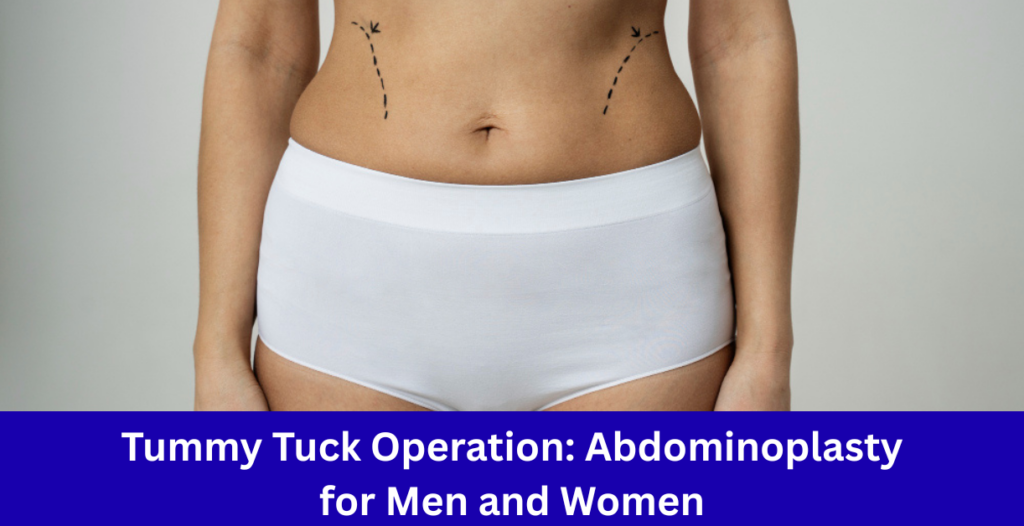
For many people struggling with loose skin, stubborn belly fat, or weakened abdominal muscles, abdominoplasty—commonly known as a tummy tuck—offers a life-changing transformation. Understanding abdominoplasty before and after results helps you prepare emotionally, physically, and financially for the journey. If you are planning Tummy Tuck Surgery in Delhi, this guide will help you know what happens before the procedure, what results to expect afterward, and why choosing the right Plastic Surgeon in Delhi is crucial. What Is Abdominoplasty? Abdominoplasty is a surgical procedure designed to remove excess skin and fat from the abdomen while tightening weak or separated muscles. It is especially beneficial for: Post-pregnancy belly looseness Extreme weight loss Stubborn fat pockets Sagging skin Abdominal muscle separation (diastasis recti) This surgery can dramatically improve your abdominal shape and strengthen your core for better posture and comfort. Before Abdominoplasty: What Preparation Looks Like When you search for abdominoplasty before and after photos, you’ll often see dramatic improvements—but achieving those results requires proper preparation. 1. Consultation With a Plastic Surgeon in Delhi Your first step is meeting a qualified Plastic Surgeon in Delhi. During the consultation, your surgeon will examine your abdomen, discuss your goals, and determine whether you need: Full tummy tuck Mini tummy tuck Extended tummy tuck Add-on liposuction A skilled surgeon ensures natural results and minimal scarring. 2. Medical Evaluation Before surgery, you may undergo necessary tests such as: Blood tests ECG Physical exam Your surgeon will check for any risks or medical conditions that may affect the surgery. 3. Lifestyle Preparation You will be advised to: Maintain a stable weight Stop smoking at least two weeks before Avoid alcohol Follow a healthy diet Avoid blood-thinning medicines Preparing well ensures smoother surgery and better healing. During the Procedure: What Happens A tummy tuck generally takes 2–4 hours, depending on the complexity. The surgeon: Makes a horizontal incision in the lower abdomen Removes excess skin and fat Repairs separated muscles Tightens remaining skin Repositions the belly button (for a full tummy tuck) In many cases, surgeons also combine liposuction for improved contouring. If you are also planning Lipoma Surgery in Delhi, some clinics allow combining minor procedures with tummy tuck (depending on medical suitability). After Abdominoplasty: What Recovery Look Like Your abdominoplasty before and after journey continues with proper aftercare. 1. Immediate Post-Op Period You may experience: Swelling Tightness Bruising Mild discomfort Drain tubes may be placed to remove fluid buildup. Wearing a compression garment for 4–6 weeks is essential to reduce swelling and help shape the abdomen. 2. Recovery Timeline Here’s what most patients experience: Week 1: Swelling reduces, light walking allowed Week 2: Stitches heal, discomfort decreases Week 3–4: You can return to light work Week 6: You may resume normal activities and exercise Month 3–6: Swelling completely settles, final shape becomes visible Consistent aftercare helps you achieve the best possible results. Abdominoplasty Before and After Results The transformation after tummy tuck surgery is often dramatic. Patients notice: A Flatter, Firmer Abdomen Loose skin and fat disappear, leaving a toned shape.  Removal of Stretch Marks Stretch marks below the navel are often removed along with excess skin.  Better Body Contour Wearing fitted clothes becomes easier and more comfortable. Stronger Core Muscles Tightened abdominal muscles improve posture. Boost in Confidence The visible difference between abdominoplasty before and after often leads to improved self-esteem and better lifestyle habits. Tummy Tuck Cost in Delhi The Tummy Tuck Cost in Delhi varies depending on: Surgeon’s experience Clinic/hospital facilities Type of tummy tuck Requirement of liposuction Post-operative care Anesthesia charges On average, the cost ranges from ₹1,00,000 to ₹2,50,000 (varies by clinic). It’s important not to choose a clinic merely based on cost—experience and hygiene matter more for safe results. Choosing the Right Plastic Surgeon in Delhi Your results depend heavily on the surgeon’s skill. Look for: Board-certified plastic surgeon Experience in Tummy Tuck Surgery in Delhi Before & after photos Clean, accredited surgical facility Transparent cost breakdown A good surgeon ensures natural shaping, minimal scarring, and safe surgery. Is Abdominoplasty Right for You? You are an ideal candidate if you: Have loose abdominal skin Have separated abdominal muscles Are done with pregnancies Have stable body weight Are overall healthy For people with lipomas on their body, they may also ask about Lipoma Surgery in Delhi, which can sometimes be done separately or in combination under medical guidance. Final Thoughts Understanding abdominoplasty before and after helps you set realistic expectations and plan your journey confidently. A tummy tuck offers long-lasting results when paired with a healthy lifestyle and a highly experienced Plastic Surgeon in Delhi. Whether you are researching results, cost, or recovery, knowing the complete transformation helps you make an informed choice.

Tummy Tuck Before and After: What Really Changes After Abdominoplasty? Read More »

gynecomastia symptoms

Gynecomastia Symptoms: Causes & When to Seek Help

Enlargement of male breast tissue, known as gynecomastia, is frequently observed and results from hormonal fluctuations, increased body fat, or specific lifestyle elements. Although generally not a threat to health, it has the potential to impact self-assurance, bodily stance, and daily ease. Recognizing the signs of gynecomastia promptly facilitates obtaining appropriate care—particularly if options like Gynecomastia Surgery in Delhi are under consideration. This post will cover the visual characteristics of gynecomastia, its underlying drivers, any potential risks associated with it, and the appropriate timing to seek expert advice from professionals such as a Cosmetic Surgeon in Delhi or a Plastic Surgeon in Delhi. What is Gynecomastia? Enlargement of male breast tissue, known as gynecomastia, results from a hormonal disequilibrium between estrogen and testosterone. This condition can manifest across any life stage: during youth, maturity, or later years. It may impact just one area or both sides of the chest, frequently resulting in feelings of emotional distress and concerns regarding one’s physical appearance. Common Gynecomastia Symptoms Noting the indicators assists in telling gynecomastia apart from mere breast tissue accumulation (pseudogynecomastia). The most apparent and frequently observed manifestations are as follows: Swollen or Enlarged Chest Tissue The main indicator is a distinct growth in breast volume. In contrast to adipose tissue, the swelling presents as solid or elastic, particularly beneath the areola. Tenderness or Pain in the Chest Slight discomfort or soreness near the nipple is frequently encountered. This sensitivity might intensify upon contact or while engaging in movement. Should the ache grow intense, a professional assessment is warranted.  Firm Lump Under the Nipple A small, solid, disc-shaped mass situated beneath the areola represents a key indicator of gynecomastia. This mass is composed of glandular tissue, rather than adipose.  Nipple Sensitivity Certain males find increased responsiveness to tactile sensations, particularly during physical activity or while donning snug apparel. Uneven Chest Shape Gynaecomastia can sometimes involve just a single breast, resulting in an unbalanced or asymmetric look to the chest. This disparity might cause self-consciousness and potentially impact stance or assurance. Is Gynecomastia Dangerous? A common concern is: “Is gynecomastia dangerous?”The simple answer is No, gynecomastia is not typically dangerous. It is usually a harmless condition caused by hormonal fluctuations, obesity, medications, or genetics. However, there are situations where medical attention is important: ✔ Persistent Pain or Hard Lumps If the lump is extremely firm, growing fast, or painful, you should consult a Plastic Surgeon in Delhi. ✔ Discharge from the Nipple Any nipple discharge in men should be checked immediately. ✔ Sudden Enlargement After Age 40 Hormonal changes in older men should be evaluated to rule out underlying issues. Although gynecomastia itself is not life-threatening, it can severely affect self-esteem, mental health, and quality of life. That’s why many men opt for Male Breast Surgery in Delhi to restore a masculine chest shape. Causes of Gynecomastia Gynecomastia can occur due to several reasons:  Hormonal Imbalance Testosterone decrease or estrogen dominance is the most common cause.  Obesity Excess fat increases estrogen production, leading to breast enlargement.  Puberty Changes Teenage boys often experience temporary gynecomastia which may resolve naturally. Medication Side Effects Steroids, anti-anxiety drugs, and certain heart medications can trigger it. Medical Conditions Liver issues, thyroid disorders, and low testosterone can contribute. Identifying the underlying cause helps determine the best treatment approach. How Is Gynecomastia Diagnosed? A specialist evaluates gynecomastia through: Physical examination Medical history Hormone tests Ultrasound or chest imaging If needed, the doctor may recommend Gynaecomastia Surgery for a permanent solution. Treatment Options for Gynecomastia Lifestyle & Medication Minor cases may respond to weight loss, hormonal correction, or stopping certain medications.  Gynaecomastia Surgery (Male Breast Reduction) The most effective and permanent treatment is Male Breast Surgery in Delhi, which involves: Liposuction Gland removal Chest contouring The procedure is safe, minimally invasive, and delivers long-term results. Gynaecomastia Surgery Cost in Delhi The Gynaecomastia Surgery Cost in Delhi varies depending on: Severity of the condition Surgical technique Clinic reputation Experience of the Cosmetic Surgeon in Delhi On average, the cost ranges between ₹35,000 to ₹85,000, but it may differ from clinic to clinic. Why Choose a Qualified Surgeon? A skilled Cosmetic Surgeon in Delhi or Plastic Surgeon in Delhi ensures: Natural-looking chest contour Minimal scars Safe and hygienic procedure Proper pre- and post-operative care Choosing the right doctor is crucial for the best results and long-term satisfaction. When Should You Consider Surgery? You may consider surgery if: Symptoms persist for more than 12 months Chest enlargement affects your confidence Pain or discomfort is persistent You want a permanent and quick solution Surgery provides a sculpted, masculine chest and boosts overall confidence. Conclusion Grasping the signs of gynecomastia is the initial move to manage the situation well. Although gynecomastia is generally benign, the unease it brings, both mentally and physically, frequently prompts men to look into ways to treat it. Should the indicators intensify or impact your daily life, getting advice from a reputable Cosmetic Surgeon in Delhi is the recommended course for improvement. If you’re looking for advice or thinking about Gynaecomastia Surgery in Delhi, being aware of the symptoms, reasons, and available treatments enables you to choose wisely. FAQs on Gynecomastia Symptoms 1. What are the most common gynecomastia symptoms? The most common gynecomastia symptoms include enlarged male breast tissue, a firm lump under the nipple, tenderness, and nipple sensitivity. These gynecomastia symptoms help distinguish it from simple fat. 2. Is gynecomastia dangerous? People often ask, “Is gynecomastia dangerous?”In most cases, no—but if your gynecomastia symptoms include severe pain, hard lumps, or nipple discharge, consult a Plastic Surgeon in Delhi for proper evaluation. 3. How can I tell the difference between gynecomastia and chest fat? With gynecomastia symptoms, the tissue feels firm or rubbery under the nipple. Chest fat feels soft and spread out. Identifying these gynecomastia symptoms helps diagnose the condition early. 4. Can gynecomastia go away on its own? In teenagers, mild gynecomastia symptoms may fade naturally. But long-lasting gynecomastia often requires treatment such as Gynaecomastia Surgery in Delhi.

Gynecomastia Symptoms: Causes & When to Seek Help Read More »

tummy tuck before and after

Tummy Tuck Surgery: Who Needs It & Before–After Results

Tummy tuck surgery, also known as abdominoplasty, is one of the most popular cosmetic procedures for people who want a flatter, firmer, and more toned-looking stomach. Whether due to pregnancy, weight loss, aging, or weakness in abdominal muscles, many people struggle with loose skin and stubborn belly fat that does not go away even after dieting and exercise. In cities like Delhi, the demand for Tummy Tuck Surgery in Delhi has grown significantly because people want long-lasting body contouring solutions under experienced specialists. If you are considering this treatment, it’s important to understand what the surgery involves, who the best candidates are, and what tummy tuck before and after results typically look like. What Is Tummy Tuck Surgery? This is a cosmetic surgical procedure that removes excess skin, tightens stretched abdominal muscles, and flattens the midsection. It is not a weight-loss procedure—it is mainly for reshaping the abdominal area. During the surgery, the surgeon makes an incision across the lower abdomen, removes loose skin, may repair weakened muscles, and repositions the remaining skin to create a firmer and smoother look. Many people choose a tummy tuck after childbirth, major weight loss, or when the skin loses elasticity over time. In metro cities like Delhi, people often look for the best Plastic Surgeron in Delhi who can perform this procedure safely and deliver attractive aesthetic results. Types of Tummy Tuck Procedures There are several types of tummy tuck surgeries, depending on your needs:  Full Tummy Tuck Best for those with loose skin across the entire abdomen, stretched muscles, and significant fat.  Mini Tummy Tuck Ideal for people with minor lower-belly loose skin.  Extended Tummy Tuck Used for patients who have lost a lot of weight and need excess skin removed from the stomach, hips, and sides. Your surgeon will suggest the right procedure after examining your body type and goals. Who Needs Tummy Tuck Surgery? A tummy tuck is not meant for everyone. Here are the people who benefit the most from the procedure: Women After Pregnancy Pregnancy stretches the abdominal muscles and skin. Even after workouts or dieting, many women find it difficult to restore their stomach shape. A tummy tuck helps repair separated muscles and tighten the skin.  People With Loose Skin After Weight Loss After major weight loss, the belly often has hanging or wrinkled skin. A tummy tuck removes this extra skin and gives the abdomen a clean, toned look.  People With Aging Skin As we age, skin naturally loses elasticity. Some people experience sagging skin around the midsection, making them ideal candidates.  Those With a Stubborn Lower-Belly Pouch Even slim individuals may have a persistent belly bulge caused by weak muscles or loose skin. Individuals With Abdominal Muscle Weakness Some people develop separation of abdominal muscles (diastasis recti), which a tummy tuck can correct. Before considering the surgery, it is important to consult an experienced Plastic Surgeron in Delhi to know if you’re an ideal candidate. Tummy Tuck Before and After: What Results Can You Expect? One of the most common questions people ask is: What will my tummy look like after surgery? The tummy tuck before and after results are often dramatic and life-changing. Before the Surgery Most patients have: Loose abdominal skin Stubborn lower-belly fat Weak or separated muscles Stretch marks A bulging midsection Many of these issues cannot be fixed by exercise alone. After the Surgery Once recovery begins, results include: A flatter and tighter abdomen Improved muscle strength Removal of excess skin Reduced or repositioned stretch marks A more defined waistline The final results usually appear within 3–6 months, once swelling reduces. The improvement in confidence is massive, as patients feel more comfortable wearing fitted clothes, swimwear, and dresses. How Much Does a Tummy Tuck Cost in Delhi? The Tummy tuck Cost in Delhi varies based on: Surgeon’s experience Clinic or hospital facilities Type of tummy tuck procedure Extent of skin removal and muscle repair Medications and post-surgery care On average, tummy tuck surgery in Delhi may cost more than smaller cities because patients prefer getting treated by highly skilled and trained surgeons with advanced equipment. Always consult a certified Plastic Surgeron in Delhi to understand the exact cost based on your specific needs. Recovery After Tummy Tuck Surgery Recovery plays a major role in your final results. Here’s what to expect: 1. Initial Days You may feel tightness or discomfort, which is normal. Wearing compression garments is required. 2. First Few Weeks Swelling slowly reduces. You’ll be able to walk comfortably within a few days. 3. After One to Two Months You can return to normal activities, but heavy workouts must be avoided unless approved by your surgeon. 4. Final Results Appear in a few months once your body fully heals. Proper rest and following your surgeon’s instructions are key to achieving the best tummy tuck before and after results. Final Thoughts It can be a highly effective solution for those struggling with loose skin, weak abdominal muscles, or a stubborn belly bulge. Whether due to pregnancy, weight loss, or aging, this procedure helps reshape the abdomen and boost confidence. If you are planning Tummy Tuck Surgery in Delhi, make sure to consult a qualified and experienced Plastic Surgeron in Delhi. Understanding the process, the expected tummy tuck before and after results, and the Tummy tuck Cost in Delhi will help you make the right decision. A tummy tuck isn’t just about appearance—it’s about feeling confident, strong, and comfortable in your own body.

Tummy Tuck Surgery: Who Needs It & Before–After Results Read More »

is hair transplant safe​

How Safe Is Hair Transplant Surgery?

Hair loss is one of the most common aesthetic concerns faced by men and women today. Whether it’s due to genetics, stress, or medical conditions, losing hair can significantly affect confidence and self-image. With the rise of advanced cosmetic procedures, hair transplantation has become one of the most effective and long-lasting solutions for restoring natural hair growth. But before taking the plunge, most people have one important question in mind — is hair transplant safe? The answer is yes. Hair transplant surgery is generally a safe and successful procedure, especially when performed by an experienced Plastic Surgeon in Delhi using modern techniques and equipment. However, like any medical treatment, understanding the process, risks, and post hair transplant care is crucial for achieving the best results. Understanding the Hair Transplant Procedure Hair transplantation involves moving healthy hair follicles from a donor area (usually the back or sides of the scalp) to the thinning or balding areas. There are two main techniques commonly used today: FUE (Follicular Unit Extraction) In this method, individual hair follicles are extracted directly from the donor area and implanted into the target area. It is minimally invasive, leaves tiny scars that heal quickly, and has a shorter recovery period. FUT (Follicular Unit Transplantation) This traditional technique involves removing a strip of skin containing hair follicles from the donor area, dissecting it into smaller grafts, and implanting them into the bald area. FUT can be ideal for patients requiring a larger number of grafts. Both methods are safe and effective when performed under the supervision of a qualified Plastic Surgeon in Delhi. Is Hair Transplant Safe? When done correctly, hair transplant surgery is a safe and low-risk procedure. Advances in medical technology have significantly reduced complications that were once common in earlier methods. Today’s techniques ensure minimal scarring, reduced pain, and faster healing times. However, the safety of a hair transplant largely depends on three main factors: Surgeon’s Expertise: The experience and skill of the surgeon play a crucial role in minimizing risks. Choosing a certified Plastic Surgeon in Delhi with a proven track record in hair restoration ensures optimal safety and natural-looking results. Clinic Hygiene and Equipment: A reputable clinic that follows strict sterilization protocols and uses advanced surgical tools reduces the chance of infection or complications. Patient’s Health and Aftercare: Following proper hair transplant aftercare instructions and maintaining scalp hygiene are vital for ensuring smooth recovery. Possible Side Effects and How to Avoid Them Although the procedure is safe, patients may experience minor side effects such as redness, swelling, or itching on the scalp. These symptoms are temporary and usually subside within a few days. To avoid complications, it’s important to: Avoid scratching or touching the scalp after surgery. Refrain from strenuous activities for at least a week. Sleep with your head elevated for the first few nights. Follow your doctor’s post hair transplant care instructions carefully. By adhering to these precautions, most patients heal quickly and start noticing visible hair growth within a few months. Hair Transplant Aftercare and Recovery The recovery process is an essential phase of achieving the best outcome from your transplant. Proper hair transplant aftercare includes gentle washing, using prescribed shampoos, and avoiding harsh sunlight. Your surgeon may also recommend specific medications or topical treatments to promote hair growth and prevent infections. Post hair transplant care ensures that newly implanted follicles take root successfully and continue to grow naturally. Patients should also maintain a healthy diet, stay hydrated, and avoid smoking or alcohol for a few weeks after the surgery. Hair Transplant in Delhi – Why It’s a Popular Choice Delhi has emerged as one of India’s top destinations for cosmetic and aesthetic treatments, including hair transplantation. There are several reasons why people prefer to get a Hair Transplant in Delhi: Experienced Plastic Surgeons: Delhi is home to some of the most qualified and experienced Plastic Surgeons in Delhi, known for delivering high success rates. Advanced Technology: Clinics in Delhi use state-of-the-art equipment and the latest FUE and FUT techniques for better precision and results. Affordable Cost: Compared to Western countries, the Hair Transplant cost in Delhi is much more affordable, making it an excellent option for both local and international patients. Comprehensive Care: Many clinics offer complete treatment plans, from initial consultation to post hair transplant care, ensuring a smooth journey for every patient. Hair Transplant Cost in Delhi The Hair Transplant cost in Delhi can vary depending on several factors, including the number of grafts required, the technique used, the surgeon’s expertise, and the clinic’s reputation. On average, the cost ranges between ₹30,000 to ₹1,50,000 or more. While it might be tempting to choose the lowest price, patients should prioritize safety, experience, and quality results over cost alone. Investing in an experienced Plastic Surgeon in Delhi ensures a safe procedure and lasting, natural-looking results — something that’s truly worth it in the long run. Conclusion So, how safe is hair transplant surgery? When carried out by a skilled professional in a reputed clinic, the procedure is highly safe, effective, and life-changing. With modern advancements, minimal downtime, and proper hair transplant aftercare, patients can regain not just their hair but also their confidence. If you’re considering a Hair Transplant in Delhi, make sure to choose an experienced Plastic Surgeon in Delhi who can guide you through the process and provide personalized post-hair transplant care. While the Hair Transplant cost in Delhi may vary, your safety and long-term satisfaction should always come first.

How Safe Is Hair Transplant Surgery? Read More »