Gynaecomastia Surgery in Delhi

When Is the Best Time for Teenage Gynecomastia Surgery?

Psychological and teen gynecomastia – how is this changed?shit= 2018.PubMed gynecomastia of teen piss), it “breast increase–can be male the breasts. Hormonal changes in puberty can cause temporary growth of breast tissue in boys, and in most cases it goes away in a year or two. But when the problem persists, teenagers and the parents usually begin planning for a permanent solution such as Gynaecomastia Surgery in Delhi. The question I get from a lot of parents and teenagers is: When’s the right age for a gynecomastia surgery? Let’s understand this in detail. Understanding Gynecomastia in Teenagers There are dramatic hormonal shifts in male adolescents during puberty. In others, the proportion of testosterone to estrogen dictates the development of breast gland tissues. This is typically a temporary phase, and most boys see improvement as their hormones even out. Sometimes, the condition persists and begins to decrease self-esteem and can even have an effect on interaction with other people. If it lingers into the late teens, it’s probably not going to correct itself on its own. Here is where Male Breast Surgery in Delhi proves to be a long-lasting solution. The Best Age for Gynecomastia Surgery Most surgeons advise waiting until the patient is 16–18 years of age before proceeding with reduction. By now, she has finished puberty, and her hormone levels have settled down. But taking action too soon could result in regrowth of the breast tissue because of continued hormone changes. For teens over 17 or 18 suffering from gynecomastia, surgery can be a safe and successful solution. Only the best Plastic Surgeon in Delhi will determine the patient’s physical development, health position and psychological preparedness and only after this analysis, the process would be proposed to the patient. Why Timely Surgery Matters Waiting for gynecomastia surgery may have an impact not just on looks but on mental health as well. Many teenagers suffer from: Poor self image associated with body image No sports/swimming with the chest exposed Bullying or teasing from peers Or extreme anxiety or depression Gynaecomastia Surgery in Delhi is a boon for adolescence when burgs and want to enhance their posture and indulge freely in every other physical and social activity. How Gynecomastia Surgery Works Gynecomastia Surgery is a procedure to reduce or remove the male breast. The surgery can involve several more body exercises such as liposuction and the resection of glandular tissue, or both. The end result is a flatter, tighter, and more masculine shape to the chest. This is actually done by one of the best cosmetic surgeon in Delhi as an outpatient procedure. For the majority of patients, you’ll go home the same day and can return to your usual activities within a week to two. Gynaecomastia Surgery Cost in Delhi Cost The Gynaecomastia Surgery Cost in Delhi depends on different factors like severity of the ailment, type of procedure, the licensing and location of the hospital, and the capability of the surgeon. Though cost is an important factor, young patients and their parents should weigh safety, experience and results when choosing a surgeon. Contacting a well known Plastic Surgeon in Delhi ensures personalized and secure treatment. Selecting the Best Surgeon in Delhi If your teenage son (or you, as a teen or parent) has options about gynecomastia surgery, spend some time locating a cosmetic or reconstructive surgeon to perform the surgery. An expert Cosmetic Surgeon in Delhi will not just examine the physical condition, the patient and family along with guide them on the realistic outcomes, the time that it takes for recovery and changes in lifestyle. At Dr. P.K. Talwar’s Clinic, patients receive highly specialized care that’s custom fit to their health needs. Dr. Talwar, with her years of expertise in Male Breast Surgery in Delhi ensures natural look with least scarring and with early recovery. Final Thoughts So, when is the appropriate age for gynecomastia surgery in adolescents? In an ideal scenario, if a teenager completes puberty (which is typically around 17 or 18 years of age) and the condition continues, then surgery might be considered. Intervening early helps confidence return and keeps the long-term emotional trauma at bay. If your child or you are suffering from this problem you should consult to a renowned Plastic Surgeon in Delhi. With the help of safe and effective Gynecomastia Surgery in Delhi, a teenager can have a manly look that is attractive, and becomes capable of living a confident life free from the gynecomastia curse.

When Is the Best Time for Teenage Gynecomastia Surgery? Read More »

Gynaecomastia Surgery in Delhi

Male Breast Surgery: Understanding the Problem and the Solution| Gynecomastia

A lot of men walk around with a worry that they keep hidden from the world: an oversized chest. The doctors call it gynecomastia, but most men prefer to refer to it as “male breasts.” It is not typically a danger to the body, but it can weigh heavily on the mind. You may want to take a swim, but feel reticent to take your shirt off. You might opt for baggy clothes just to cover your chest. For many, it became a daily source of anxiety. The comforting part is that there is an exit. Today, with procedures like male breast surgery in Delhi men needn’t endure that discomfort any longer. They can get slim, trim and sexy! Why does gynecomastia happen? It’s crucial to understand this is not something you did wrong or made happen. Gynecomastia can begin in adolescents as hormones change. It goes away in many boys, but in some, it persists. Hormonal balance changes later in life can make the chest appear fuller again. It is also often more apparent with additional weight because fat collects in the chest. Some medications, steroids or even alcohol can be a factor. It is, in rare instances, associated with medical conditions such as thyroid or liver problems. Whatever the reason, the feeling is the same: Living with a chest that doesn’t fit how you view yourself. How surgery helps Eating healthy and being active are always good for the body, but once actual glandular tissue has developed, no amount of exercise will ever fully flatten the chest. That’s where surgery comes in. Male breast reduction surgery in Delhi is an easy and safe process. Depending on what’s called for, the surgeon may perform liposuction to remove fat, cut out the firm gland tissue, or do both at the same time. It’s not just about getting smaller — it’s about getting a naturally masculine-looking chest, where you no longer feel like something is off when you look in the mirror. It is much easier than most men realise. In fact, most are back home the same day and on their feet within a few days. Life after surgery I honestly (no really, I write about this a lot) feel worse for patients than they should. The chest appears flatter right away, though there is some initial swelling that can take a couple of weeks to subside. A special compression garment helps form the chest during recovery. Men will typically return to their normal activities within a week. Gym workouts or heavy lifting typically wait a bit longer, about four weeks. The results are long-term — if you can keep your weight stable after everything heals. But the true transformation is nothing physical. It’s emotional. No more guesswork on how clothes fit. Say goodbye to hiding at the pool or beach. Never again would I recoil from the mirror. Men often say the surgery is life-changing purely because of the restored confidence. What about the cost? The cost of gynaecomastia surgery in Delhi differs. It depends on the severity of the condition, the type of surgery needed and the experience of the surgeon. Some clinics charge more; others charge less. But rather than fixate on the figure, it’s more helpful to consider safety, experience, and the quality of the results. At the end of the day, the price is not just a bill — it’s an investment in your comfort, your look, and your peace of mind. Choosing the right surgeon As with any kind of surgery, the result depends largely on who is doing the cutting. An experienced plastic surgeon can shape the chest into a natural-looking come with minimal scarring and a short recovery period. At Dr. P. K. Talwar’s Clinic Patients receive individual attention from the first encounter. With Dr. Talwar’s years of experience in cosmetic surgery and his priority as a patient-centered practitioner, countless men have been able to eliminate gynecomastia and regain confidence. Final thoughts Gynecomastia can be downright frustrating, if not downright depressing, for some, but it doesn’t have to ruin your life. Surgery now is actually safe, easy, and very effective. If you’ve been letting your chest stop you, maybe it’s time to start considering taking this step.

Male Breast Surgery: Understanding the Problem and the Solution| Gynecomastia Read More »
Liposuction Surgery in Delhi

What Body Areas Can be Treated by Liposuction?

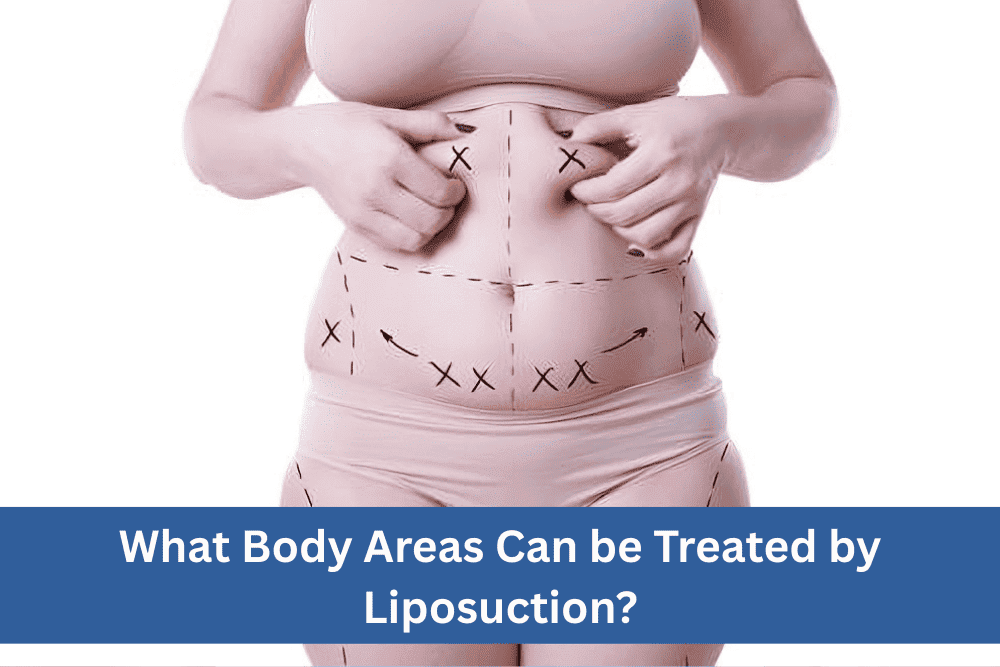
Some fat just won’t budge. You eat clean, you exercise, yet there it stays—on the belly, thighs, arms, or under the chin. Sound familiar? That’s where liposuction comes in. It’s not about losing kilos; it’s about reshaping the body where nothing else works. But people usually ask one simple question before anything else: which body areas can actually be treated? Let’s talk through it. Why Many Pick Liposuction Surgery in Delhi Delhi has become a favorite destination for cosmetic surgery. Why? Because clinics here combine experienced doctors with modern facilities, often at costs that make sense compared to global centers. Choosing Liposuction Surgery in Delhi gives you access to specialists who know the craft well. At Dr. P.K. Talwar’s clinic, patients mention one thing again and again: comfort. From the first consultation, you get clear answers, not confusing jargon. That kind of clarity matters when you’re making such a personal choice. Areas Where Liposuction Works Not every part of the body responds well, but there are certain areas where liposuction consistently shows good results. Abdomen & Waist – The classic spot. Even people who exercise regularly complain about a belly bulge. Liposuction here flattens the stomach and reshapes the waist. Thighs – Inner, outer, or both. Slimming these areas helps the legs look more balanced. Upper Arms – Fatty arms can make you look heavier than you are. Removing that fat gives a toned look. Back – Especially under the bra line. Liposuction smooths out rolls and bulges. Hips & Love Handles – Another stubborn zone. Once reduced, the whole body looks more proportionate. Neck & Chin – A double chin changes the whole profile of the face. Treating it makes the jawline sharper and more defined. Quick Snapshot Body Area Common Result Abdomen Flatter stomach Thighs Slimmer legs Arms More toned look Back Smooth, no rolls Hips Smaller waistline Chin/Neck Defined jawline   Guidance from a Plastic Surgeon in Delhi Reading lists online is fine, but your body isn’t a list. Every patient is different. A skilled Plastic Surgeon in Delhi will look at your overall frame, skin quality, and fat distribution before suggesting the right areas. Dr. P.K. Talwar has been performing liposuction for decades. What stands out is his way of explaining. He’s known for being direct—telling patients exactly what liposuction can do, but also what it can’t. That honesty helps patients avoid unrealistic expectations. What Liposuction Is Not This part is important. Liposuction isn’t: A weight-loss surgery A replacement for diet or exercise A way to fix obesity It’s best for people who are close to their healthy weight but have stubborn fat pockets that won’t leave. More Than Just Looks People expect liposuction to change how they look. And it does. But it also changes how they feel in daily life: Lighter movement with slimmer thighs or arms Less strain on the back after belly fat reduction Easier posture, especially if fat makes sitting uncomfortable Confidence boost that shows up everywhere—from clothes to social life What Recovery Feels Like Here’s what most patients experience: Swelling and bruising for the first week or two Back to light work in around 7–10 days A compression garment to help with healing Final results are settling in after a few months Recovery isn’t painful for most; it’s more about patience. Each week brings visible changes. Why Patients Choose Dr. Talwar Experienced Plastic Surgeon in Delhi with a strong reputation Treats multiple body areas using modern techniques Focus on natural results instead of exaggerated changes Honest, step-by-step consultations Trusted by both Indian and international patients Closing Note So, what body areas can liposuction treat? Abdomen, thighs, arms, back, hips, chin—these are the usual suspects. The trick is knowing which ones will give you the best outcome. That’s where a good consultation makes all the difference. If you’re considering Liposuction Surgery in Delhi, it’s worth talking to Dr. P.K. Talwar. He’s known for combining years of experience with a straightforward approach. Visit Dr. P.K. Talwar’s website and take that first step. Sometimes, just asking the right questions starts the change you’ve been waiting for.

What Body Areas Can be Treated by Liposuction? Read More »

rhinoplasty surgery in delhi

Open vs Closed Rhinoplasty – Which One Is Better for You?

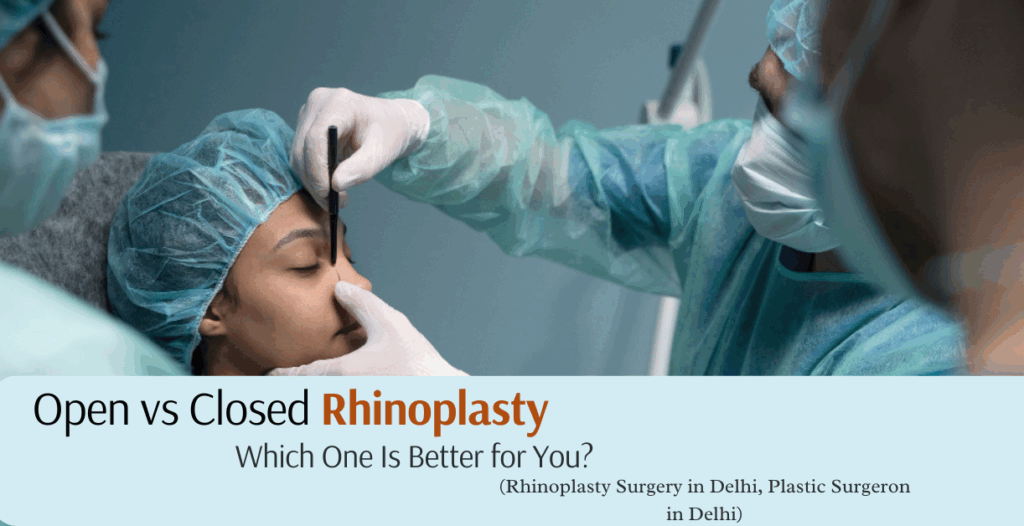
Your nose. Small detail, big impact. It can completely shift the way your face looks. No wonder rhinoplasty—better known as a nose job—is one of the most common cosmetic procedures worldwide. But here’s the thing. If you’re planning it, you’ll run into two options: open rhinoplasty or closed rhinoplasty. Sounds simple, right? Yet patients often get stuck right here. Which one’s better? Which one’s right for you? Let’s walk through it in plain language. Why So Many People Choose Rhinoplasty Surgery in Delhi Delhi isn’t just the capital—it’s also where many head when they want safe, reliable cosmetic surgery. Some come from nearby cities, others travel from far away. The reason’s pretty simple: Rhinoplasty Surgery in Delhi combines skilled doctors with modern setups, but without the kind of costs you’d expect in big international centers. At Dr. P.K. Talwar’s clinic, people often talk about how the first meeting feels. No rushing through. No scripted answers. You sit down, ask what’s on your mind, and get straight, clear replies. That ease makes the whole idea of surgery a lot less stressful. What Happens in Open Rhinoplasty Open rhinoplasty means a small incision is made on the thin strip of skin between your nostrils. The skin gets lifted so the surgeon can see the structure inside clearly. Why do some people go with open rhinoplasty? Gives the surgeon full visibility of bone and cartilage Better for complicated reshaping Often chosen for revision surgery (if you’ve had one before) Allows for detailed adjustments Think of it like fixing something with the lights on—you can see everything, so you work with more precision. What Happens in Closed Rhinoplasty Closed rhinoplasty takes a different route. Here, the cuts are made inside the nostrils. No visible scar at all. The skin isn’t lifted as much, which makes the process quicker. Why others prefer closed rhinoplasty: Absolutely no external scar Recovery is usually faster Less swelling in most cases Great for smaller, more subtle changes So if you only want to refine the nose tip or smooth out a small bump, this technique might be enough. Open vs Closed – Side by Side Feature Open Rhinoplasty Closed Rhinoplasty Incisions On columella + inside Inside nostrils only Visibility Full access Limited Best for Major corrections, revisions Minor reshaping Recovery Takes longer Faster Scarring Small, hidden scar None visible The Role of a Plastic Surgeon in Delhi Let’s be honest. Reading online can only take you so far. The right choice depends on your face, your goals, and even your breathing needs. That’s where a skilled Plastic Surgeon in Delhi comes in. Dr. P.K. Talwar has been performing rhinoplasty for decades. Patients trust him not just because of experience, but because he explains everything up front. No sugar-coating, no unrealistic promises. Just facts and what you can actually expect. That’s rare, and it matters. What Recovery Really Feels Like A lot of patients imagine weeks of pain. Truth is, recovery is manageable if you follow instructions. Here’s what’s typical: Bruising and swelling during the first week (looks worse than it feels). Back to office or light work within 7–10 days. The nose slowly refines over months, with the final shape visible later. Tips that genuinely help: Sleep with your head slightly raised. Skip heavy gym workouts for a few weeks. No glasses pressing on the nose until the surgeon says it’s fine. Stay careful—protect the nose from accidental bumps. Patience pays off. The change is gradual, but one day you’ll look in the mirror and notice the difference clearly. Which One Should You Choose? It really depends on what you’re looking for. Want bigger changes, like fixing the structure or improving breathing? → Open rhinoplasty is usually better. Only need light refinement and faster recovery? → Closed rhinoplasty often makes more sense. The truth is, both work. The “best” option is simply the one that matches your nose and your goals. Why Patients Recommend Dr. P.K. Talwar Widely respected Plastic Surgeon in Delhi Skilled in both open and closed techniques Uses modern methods and advanced facilities Focuses on natural-looking results that match the face Long track record of satisfied patients across India and abroad Final Word So—open or closed? Both approaches have their place. Open rhinoplasty gives the surgeon maximum control for complex cases. Closed rhinoplasty is less invasive, heals faster, and leaves no visible scar. If you’re considering Rhinoplasty Surgery in Delhi, don’t decide alone. Book a consultation. Sit down with someone who has seen hundreds of cases. Dr. P.K. Talwar has built a reputation for blending surgical skill with honest advice. That’s what makes patients trust him. Take a look at Dr. P.K. Talwar’s official website to learn more. Sometimes, the first step is simply asking the right questions.

Open vs Closed Rhinoplasty – Which One Is Better for You? Read More »

rhinoplasty surgery in delhi

Ethnic Rhinoplasty – What You Should Know Before Surgery

If you’ve ever considered altering the appearance of your nose but didn’t want to sacrifice your natural appearance, you may want to explore the option of ethnic rhinoplasty. Unlike the traditional rhinoplasty, which often forces everyone to fit the “ideal” nose shape, ethnic rhinoplasty works with your individual features and heritage. We all know that our nose is one of the most noticeable features of our face, and it determines or impacts a great deal of our appearance and our esteem. But it has a function, too — we need it to help us breathe properly. So when contemplating surgery, people need to think about appearance as well as function. In this article, we’re covering everything you need to know before getting an ethnic rhinoplasty — what the procedure is, who it’s for, the best steps to prepare for it, what happens before and after surgery, how much it costs, and what the risks are, as well as the alternatives. Consider this your helpful companion in informed decision-making. What Exactly Is Ethnic Rhinoplasty? Ethnic rhinoplasty is a unique kind of nose surgery tailored to the individual needs of patients of different ethnicities including African, Asian, Middle Eastern, Hispanic or mixed ethnic heritage. That’s not the goal in most cases anyway, it is not to change your “middle eastern” looking nose to a “western” looking nose or to get the nose shape of a specific celebrity. No, it’s about sculpting your looks, preserving facial balance, and doing right by your DNA. That is to say, ethnic rhinoplasty doesn’t erase your identity—it celebrates it. Surgical results are designed based on the analysis of the ethnic characteristics of the nose, skin, cartilage, and bones so that the results are natural and harmonious. Why Is Ethnic Rhinoplasty Different? Facial Harmony in Ethnic Rhinoplasty: One significant difference in ethnic and traditional rhinoplasty is the methodology used to approach facial harmony. A typical rhinoplasty may be about producing a nose shape that simply looks good on a generic type of face, but ethnic rhinoplasty is about absolute facial proportions. For example: A person of Asian heritage might desire a slightly higher nasal bridge without dramatically changing the tip. A person of African ethnicity, for example, may desire nostril refinement without compromising natural width and shape. For Middle Eastern patients, the priority is usually to reduce a dorsal hump while maintaining balance with the tip. The idea is to tailor the results to yourself so you will look like the best possible version of you, not like somebody else. Common Ethnic Nose Characteristics Each racial subgroup has its own nasal features, and surgeons are careful to consider this when planning the surgery: African lineage: Broader nostrils, shorter bridge, more nasal skin. Asian heritage: “They’ll have a shorter nose, lower nasal bridge and less projection.” Middle Eastern: Prominent bridge that’s sometimes a dorsal hump with a larger tip. Hispanic/Latino: Wide tips, medium bridge and different nostril height. It’s important to know these differences, and that the same surgical technique will not work on every nose. The most skillful surgeons are going to tailor their technique to the anatomy, to the skin type and to the ethnicity. Reasons for Ethnic Rhinoplasty For a variety of reasons, individuals opt for ethnic rhinoplasty, either due to cosmetic or health concerns. Here’s a closer look: Aesthetic concerns: A lot of people want their nose to look natural in relation to the rest of their face (not incongruously artificial or “done”). This may mean reducing nostrils, sculpting a tip, or shaving down a hump. Functionality enhancements: If you have difficulty breathing as a result of a deviated septum or a narrowed nasal passage, ethnic rhinoplasty can address this anatomical orifice-based trait at the same time it reshapes the nose. Building self-assurance: When you feel comfortable in how you look, it can have a big impact on your self-esteem. Ethnic rhinoplasty can have patients feel at ease and respectful of the culture. In the end, it’s balancing well how you look with how things work and how you define yourself. Choosing the Right Surgeon This will likely be the most meaningful part of your journey. Not every plastic surgeon specializes in ethnic rhinoplasty – it takes an advanced knowledge of facial anatomy and cultural differences. Here are some ways to help choose a surgeon: Verify credentials: When in doubt, look for board certification in plastic or facial surgery. Experience with ethnic noses: Inquire about before and after photos of patients with a similar ethnic background. A good consultation also counts: A good surgeon will listen to what you want, tell you what is realistic and show you simulated digital images of how your new rack might look. Communication: Check that you are able to ask questions about technique, risks, recovery and long-term outcomes, and that the answers you get are clear and straightforward. A good surgeon is not just a technician — they’re a partner in helping you look how you want, safely. What Happens During Ethnic Rhinoplasty The actual surgery takes about 2–4 hours and the technique will vary depending on your nose and goals: Open: Uses a small cut beneath the nose. Provides the surgeon with maximum visibility for shaping engravings. Closed rhinoplasty: The incisions are located within the nostrils. Not as much visible scaring but not quite as much access. Cartilage grafts are sometimes borrowed from the septum, ear or rib to lend structure, support or refinement. The surgery is performed under general anesthesia and your surgeon will plan, such that all aspects of your face will be in harmony with the preservation of your ethnic look. Recovery: What to Expect Healing from ethnic rhinoplasty can seem high and low at times, but patience is key. Here’s a general timeline: Week 1–2: You might have some swelling and bruising. The average person can return to work within a week. Months 1-3: Swelling continues to diminish, and the nose shape begins to become more apparent. 1 year: Final shape comes in

Ethnic Rhinoplasty – What You Should Know Before Surgery Read More »

What Body Areas Can Be Treated by Liposuction?

What Body Areas Can be Treated by Liposuction?

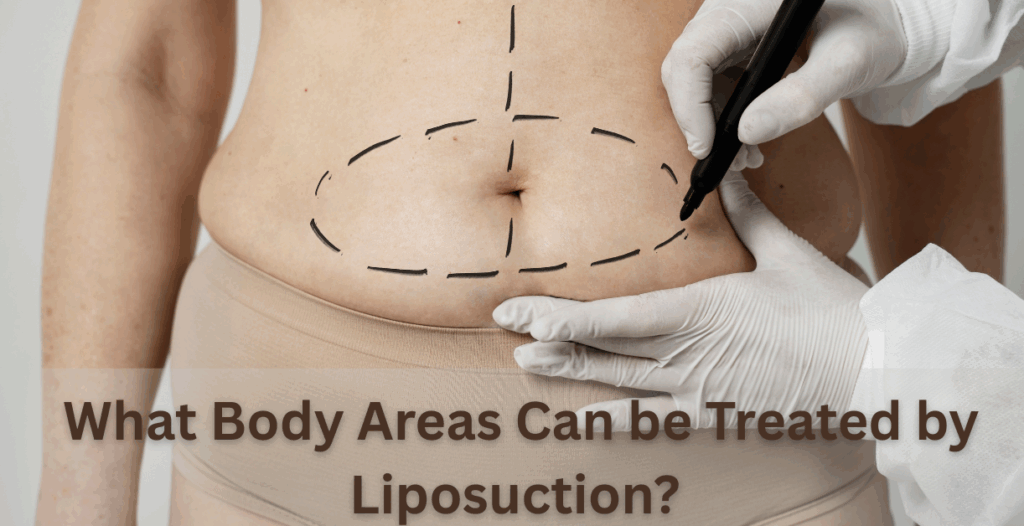
Liposuction is now the most popular cosmetic surgery in the world. Liposuction is an effective and safe procedure that liquefies and suctions away excess fat from different areas of the body. Regardless of how much one exercises and eats healthy, there are fat pads that would never move. And behold, along comes liposuction to the rescue – it reshapes the body, makes shape beautiful, and enhances self-confidence. Here, in this article, we shall write in detail what areas of the body can be treated with liposuction, how it is performed, advantages, and key points. We shall show step by step why it is necessary to select a professional doctor like Dr. PK Talwar in order to obtain safe and natural outcomes. Understanding Liposuction Liposuction is a surgical process where unwanted fat is suctioned from the targeted areas by suction method. It is not obesity treatment or weight loss therapy but rather a surgical body reshaping. The ideal candidate would be the person who is nearest to the ideal weight but has resistant fat which will not improve despite exercise and diet. Some of the newer methods utilized in liposuction are: Tumescent liposuction – most widely practiced and most secure. Ultrasound-assisted liposuction (UAL) – disintegrates the fat using sound waves. Laser-assisted liposuction (LAL) – dissolves the fat with laser heat. Power-assisted liposuction (PAL) – utilizes vibrating cannula for accuracy. Areas of the General Body Treated by Liposuction 1. Abdomen (Area of Stomach) Abdomen is one of the most frequent regions to have liposuction done. Belly fat is generally triggered by genes, age, or an imbalanced lifestyle. Liposuction is extremely successful in eliminating fat in the upper and lower abdomen, causing the area to become level and firm. 2. Thighs Outer thighs (saddlebags) and inner thighs are another area of concern in most individuals. Liposuction gives an athletic look, removes thigh rubbing, and gives a more proportionate lower body outline. 3. Hips and Flanks (“Love Handles”) Waistline fat, or love handles, will not decrease with dieting or exercise. Liposuction will contour the area, giving a narrower waist and more proportionate body profile. 4. Arms Most individuals are self-conscious about bagging upper arms. Liposuction eliminates excess fat, particularly in the triceps region, and has a firm arm contour. 5. Back Liposuction addresses fatty pads on the upper back (bra rolls) and lower back. It enhances body contour, posture, and attire fit. 6. Chest (for Men – Gynecomastia) Gynecomastia men are helped by chest liposuction. It eliminates fat and glandular tissue, forming a male contour to the chest. 7. Chin and Neck Double chin or projecting neck tends to make the face appear older and heavier. Chin and neck liposuction offers a slender jawline and youthful appearance. 8. Buttocks At times, liposuction is done on the buttocks for aesthetic purposes of shape and symmetry improvement. The procedure is, however, done with utmost care so that sagging is not caused. 9. Calves and Ankles Less common, but still performed, liposuction is also used to give a shape to calf, ankle, and lower legs, in an attempt to have a womanly-shaped leg. Advantages of Liposuction Destruction of fat cells permanently. Enhanced body shape and contour. Increased self-esteem. Better-fitting clothes and body proportions appear even. Can be paired with other procedures such as tummy tuck or breast reconstruction. Things to Consider in Mind Before Liposuction Liposuction is not a weight loss procedure, but one of the tune-ups. Patient ideal should be nearly close to his/her ideal weight. Skin should possess healthy elasticity to look smooth. Is not a replacement for good lifestyle habits. Why Choosing the Right Surgeon Matters With every plastic surgery procedure, skill of surgeon only matters. A seasoned and trained physician guarantees: Safety from the surgery. Natural results. Less risk of complications. Dr. PK Talwar, a highly experienced plastic and cosmetic surgeon, has extensive experience of performing body-contouring and liposuction procedures. His patients trust him due to newer methods, personalized attention, and dedication to providing the best results. Recovery and Outcome After Liposuction Recovery is dependent upon the site and extent of the extracted fat. All patients return to work in a week’s time. Bruising and swelling resolve in a 2–3 weeks’ period. The final outcome is achieved after 2–3 months after complete healing. Who is a Good Candidate for Liposuction? Liposuction is not for every body. You may qualify as a candidate if: You are nearly ideal weight but carry local fat pads. You possess good skin elasticity. You are in satisfactory general health. You have realistic expectations. The following are patients who should not have liposuction: Individuals with intractable medical conditions (diabetes, heart disease). Pregnant and lactating women. Individuals desiring instant weight loss outcome. Myths vs Facts Regarding Liposuction Myth 1: Liposuction is a form of weight loss surgery. Fact: Liposuction is contouring and not for weight loss. It best finds use in fat resistant zones. Myth 2: Fat will return after surgery. Myth: Dead fat cells are never gonna return again. Healthy living, however, is required. Myth 3: Liposuction is for women only. Fact: Men also get liposuction, particularly for chest (gynecomastia), stomach, and sides. Myth 4: Enormous scars are made by liposuction. Fact: Minimal cuts made are hardly noticeable after recovery. Myth 5: Liposuction is very painful. Fact: Pain is avoided and managed with anesthesia and advanced techniques. Lifestyle Tips After Liposuction To achieve long-term outcomes, patients must learn the following habits: Healthy Diet: Eat healthy food made of proteins, vegetables, and good fats. Daily Exercise: Cardio and strength training maintain results. Hydration: Appropriate water intake improves elasticity of the skin. Avoid Alcohol & Smoking: Both result in healing delay and influence results. Regular Check-ups: Frequent follow-ups with your surgeon facilitate safe recovery. Liposuction vs Non-Surgical Reduction of Fat We are all interested in how non-surgical procedures like CoolSculpting or fat-freezing stack up against liposuction. Aspect Liposuction Non-Surgical Fat Reduction Fat Removal Immediate and significant Gradual, smaller reduction Recovery 5–7 days downtime No downtime Areas Treated Almost all body

What Body Areas Can be Treated by Liposuction? Read More »