
When Should One Get Revision Rhinoplasty?

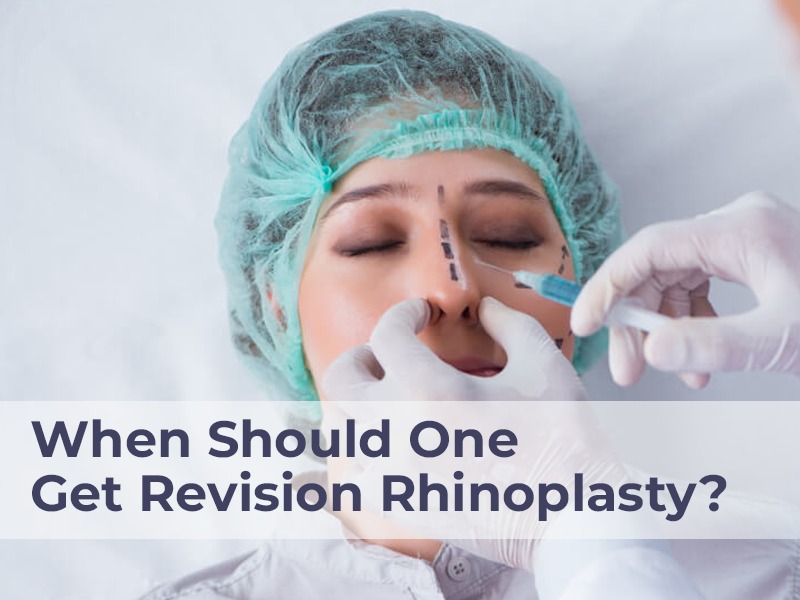
Revision rhinoplasty, commonly referred to as secondary rhinoplasty, is a surgical technique used to treat post-initial nose job issues or disappointing outcomes. Due to the scar tissue and changed structure from the previous operation, it is a more difficult and advanced process than first rhinoplasty. Reasons for Revision Rhinoplasty There are several reasons why someone might consider revision rhinoplasty: Unsatisfactory Outcomes: Dissatisfaction with the previous surgery’s results is a major factor in people’s decision to get a revision rhinoplasty. There are several reasons for this unhappiness, including unevenness, over-reduction, or an unnatural appearance. Patients may seek aesthetic revisions in order to attain the desired result. Functional Concerns: Revision rhinoplasty may be necessary for functional concerns in addition to cosmetic ones. Following the initial operation, breathing problems, overload, or other nasal blockages may continue. These functional issues can be resolved with revision rhinoplasty, enhancing the patient’s overall quality of life. Complications: Although they are uncommon, post-rhinoplasty complications might happen. These include scars, infections, or problems with the implant or graft that was used in the initial procedure. Corrective rhinoplasty becomes necessary to address these issues and guarantee the patient’s safety and well-being. Trauma or Injury: Following a previous rhinoplasty, accidents or injuries may occur, which may compromise the results of the surgery. A nasal trauma may result in fractures, dislodged implants, or other structural damage that calls for revision surgery to restore the nose’s structure and appearance. Natural Aging Process: Just like other body components, the nasal structures alter as people age. These normal aging processes may have an impact on the outcomes of a nose job. In these situations, patients considering revision rhinoplasty hope to preserve or bring back their nose’s young appearance. Psychological Effect: It is impossible to ignore the negative emotional consequences of insufficient rhinoplasty results. Revision surgery may be considered by those who are experiencing anxiety, low confidence, or inside dysmorphia in an effort to enhance their general mental health and self-image. Expert Consultation: In the end, deciding whether to have a revision rhinoplasty should be decided after speaking with a licensed and skilled otolaryngologist or plastic surgeon. These experts are able to identify particular issues, determine whether a revision is possible, and assist patients during the procedure. Timing of Revision Rhinoplasty It is usually advised to delay thinking about revision surgery for at least a year following the original rhinoplasty. This is because, following surgery, the nose might take up to a year to heal and settle. It’s important to wait until the swelling has decreased before recommending revision surgery to a patient who wants to see the results of their first procedure. Choosing a Surgeon for Revision Rhinoplasty Selecting a surgeon with revision rhinoplasty experience is important. Since revision surgery is more complicated than primary rhinoplasty, the patient’s concerns should be better understood and addressed by a surgeon with experience in this field. In addition, the surgeon must be able to communicate effectively with the patient and create reasonable expectations on the outcome of the procedure. Risks and Complications of Revision Rhinoplasty There are challenges involved with any operation, and revision rhinoplasty is among them. Bleeding, infection, scarring, and problems from anaesthesia are among these potential risks. Revision rhinoplasty also carries certain dangers, like breathing difficulties, harm to the nasal structures, and poor outcomes. Conclusion Patients who are dissatisfied with the outcome of their original nose surgery may find success with revision rhinoplasty. Still, it’s important to select a board-certified surgeon and be aware of the potential risks and problems. If you’re thinking about getting a rhinoplasty surgery in Delhi, Dr. P.K. Talwar is a great option to get the results you want. With his wealth of knowledge, his accurate techniques, and his dedication to patient pleasure, he can help you improve the appearance of your nose and your entire face.

When Should One Get Revision Rhinoplasty? Read More »

Hair Transplant for people of Different ages and genders

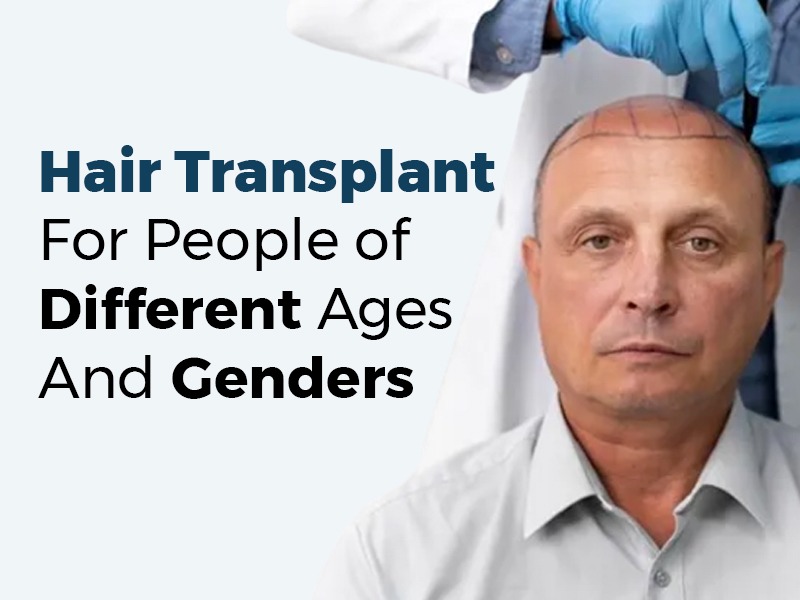
People of various ages and genders may benefit from hair transplant operations, while eligibility and procedure specifics may change according on the individual. For various age groups and genders, hair transplants can be considered in the following ways: For Men: Younger Men (Under 25 years old):   In general, very young men who are still experiencing major hair loss should not get hair transplants. Patterns of hair loss might not be completely determined, and the transplant may fail to treat hair loss in the future. Alternatively, medication and non-surgical treatments may be suggested to slow down the process of hair loss. Adult Men (25-65 years old):   Men in this age range are frequently good candidates for hair restoration procedures. At this point, the hair loss pattern is typically clearly understood, allowing the surgeons to properly organize the transplant. It is possible to use both FUE and FUT (follicular unit transplantation and extraction) techniques successfully. Elderly Men (65+ years old):   Age is not an issue for hair transplants; rather, the recipient’s general health is essential. Hair transplants may be considered if the patient is in good health. However, a detailed discussion of the procedure’s scope and reasonable expectations is necessary. For Women: Younger Women (Under 25 years old):   Hormonal imbalances and nutritional deficiencies are only two of the many reasons why young women experience hair loss. Finding and treating the root cause is important before thinking about getting a hair transplant. Until the reason for hair loss is resolved, transplants might not be a good option. Adult Women (25-65 years old):   Women in this age range may be good candidates for hair transplants, particularly if their trends of hair loss are regular. Since broad hair thinning is more common in women than in men, transplant planning may be more difficult for them. Surgeons with experience can overcome these obstacles. Elderly Women (65+ years old):   If they are in good health, older ladies can think about hair transplants, just like senior men. Once more, the patient’s health and expectations determine the procedure’s acceptability and scope. Getting advice from a specialist skilled in female hair restoration is important. Key Considerations for Everyone: Health Condition:   The overall health of the individual is a important factor. Chronic illnesses or conditions might affect the eligibility for surgery. Donor Hair:   The availability and quality of donor hair, usually from the back and sides of the head, play a significant role in the success of the transplant. Expectations:   Realistic expectations are vital. Hair transplants can significantly improve the appearance, but they may not fully restore a full head of hair, especially in advanced cases of hair loss. Consultation:   Consulting with a qualified and experienced surgeon is essential. They can assess the individual’s unique situation and recommend the most suitable approach, whether it’s surgical or non-surgical methods. Post-Operative Care:   Following the surgeon’s instructions for post-operative care and maintenance is important for optimal results. Keep in mind that every situation is different, so deciding to get a hair transplant should only be done after giving it some thought and speaking with medical experts. A fantastic option to think about if you’re thinking about getting hair transplant surgery in Delhi is Dr. P.K. Talwar. He is a very talented and board-certified surgeon in Delhi who is dedicated to giving his patients the greatest treatment and outcomes.

Hair Transplant for people of Different ages and genders Read More »

5 Tips Before Undergoing Breast Augmentation Surgery

Breast augmentation is a surgical procedure to increase the size and/or fullness of the breasts. It is the most common cosmetic surgery. There are two main types of breast augmentation: breast implants and fat transfer. Breast implants are the most common type of breast augmentation. They are made of silicone or saline and are inserted into the breast pocket under the chest muscle or over the muscle. Fat transfer augmentation involves transferring fat from other areas of the body, such as the abdomen or thighs, to the breasts. Choosing to have breast augmentation surgery is a big decision that has to be well thought out and planned. Before having the surgery, bear in mind these five important pointers: 1. Research Thoroughly: Learn about the many kinds of breast implants, the procedures used during surgery, the hazards involved, and the recovery period. Recognize the benefits and drawbacks of silicone versus saline implants, as well as the several ways incisions can be made and implants can be placed. Having knowledge gives you strength and enables you to make wise judgments. 2. Choose a board-certified plastic surgeon: It is important to choose a plastic surgeon with training and expertise. Make sure the surgeon performing your breast augmentation is board-certified and has experience with these procedures. Examine previous patients’ before and after pictures to get a sense of their abilities and knowledge. Never be afraid to request references or feedback from customers. 3. Have Realistic Expectations: It’s important to have reasonable expectations regarding the surgery’s result. Recognize that while breast augmentation can improve your look, it may not be flawless or solve issues with confidence. Setting realistic goals based on your body type and the procedure’s limits should be assisted by your surgeon. 4. Consider long-term implications: Breast implants are not permanent fixtures; they can eventually need to be changed or taken out. Recognize the possible long-term effects, such as the necessity for additional procedures and care, as well as how they may affect breastfeeding and screening. Prepare yourself for any necessary extra procedures or follow-up appointments. 5. Prepare for the recovery period: Following breast augmentation surgery, you will need to heal by resting and carefully following to your surgeon’s instructions. Make plans for someone to help you in the early going, as you could feel uncomfortable and unable to move around as much. Stock your house with everything you’ll need, including painkillers, ice packs, comfy, loose clothing, and entertainment to keep you occupied while you heal. Additionally, Be in constant contact with your surgeon as well. Before the procedure, don’t be afraid to voice any worries or ask any questions. A more successful breast augmentation procedure can be achieved by being well informed, emotionally and physically prepared. Dr. P.K. Talwar is one of the most prominent and well-respected cosmetic and plastic surgeons in Delhi, India. He has over 30 years of experience in the field and has pioneered a wide range of treatments and procedures that he uses to treat his patients and make them appear attractive and confident. If you are considering breast augmentation surgery in Delhi, India, Dr. P.K. Talwar is an excellent choice. He is a highly qualified and experienced surgeon who is dedicated to providing his patients with the best possible care and results.

5 Tips Before Undergoing Breast Augmentation Surgery Read More »

Can I Get My Real Hairs Return After Hair Transplant?

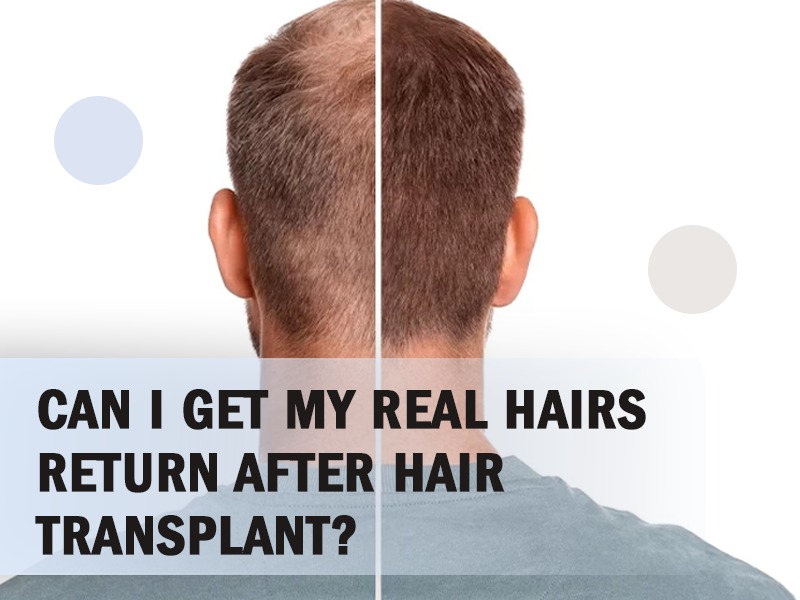
What is hair Transplant? Hair transplantation is a surgical procedure in which hair follicles are removed from the “donor site” and placed on the “recipient site,” a region of the body that is bald or thinning out. The main condition that the surgery is used to treat is male pattern baldness. Grafts with hair follicles from places (such the back of the head) that are genetically resistant to balding are transferred to the bald scalp during this minimally invasive technique. Hair transplantation can also be used to cover scars from accidents or surgery, including facelifts and previous hair transplants, as well as to restore hair to the pubic area, chest, beard, and eyebrows.  Can I Get My Real Hairs Return After Hair Transplant? Yes, you can get your real hair return after a hair transplant. The hair that is transplanted comes from your own scalp, so it is real hair. After the transplant, the hair will fall out, but this is normal. The new hair will start to grow back within a few months, and it will continue to grow for the rest of your life. Hair transplant surgery is a very effective way to restore lost hair and achieve a natural-looking appearance. However, it is important to note that hair transplant is not a cure for baldness. It is possible that you may continue to lose hair after the transplant, especially if you have a genetic predisposition to hair loss. If you are considering a hair transplant, it is important to talk to a qualified hair transplant surgeon to discuss your expectations and goals. The surgeon will be able to assess your hair loss and recommend the best course of treatment for you. Here are some tips to help ensure the success of your hair transplant: Follow your surgeon’s instructions carefully before and after the surgery. Take any medications that your surgeon prescribes. Avoid smoking and excessive alcohol consumption. Regular exercise and a balanced diet are important. Cover your scalp to prevent damage from the sun and other environmental elements. With proper care, you can expect your transplanted hair to last for a lifetime. Conclusion If you are considering hair transplant surgery in Delhi, We encourage you to visit Dr. Talwar for a consultation. He is a highly skilled and experienced surgeon, and he is committed to providing his patients with the best possible results. Dr. P.K. Talwar is one of the most experienced and respected hair transplant surgeon in Delhi, India. He has been performing hair transplants for over 35 years, and he has helped thousands of patients achieve their hair loss goals. Dr. Talwar is a highly skilled and experienced surgeon. He is well educated in all the latest hair transplant techniques, and he uses the most advanced equipment and technology in his clinic. Dr. Talwar is known for his natural-looking hair transplant results. He takes the time to understand each patient’s individual needs and expectations, and he creates a personalized treatment plan for each patient. Dr. Talwar’s hair transplant clinic is located in South Delhi. The clinic is well-equipped and offers a comfortable and relaxing environment for patients. Dr. Talwar’s team of experienced and professional staff is dedicated to providing patients with the best possible care and service.

Can I Get My Real Hairs Return After Hair Transplant? Read More »

Who is a Good Candidate for Breast Augmentation?

Dr. P.K. Talwar is one of the best cosmetic surgeons in Delhi. He is a highly experienced and qualified surgeon with over 30 years of experience in the field. Dr. Talwar specializes in a wide range of cosmetic procedures, including, Hair Transplant, Breast Augmentation, and Liposuction.  What is Breast Augmentation? Breast augmentation, also known as augmentation mammoplasty, is a cosmetic surgery procedure that increases the size and/or changes the shape of a woman’s breasts. It is one of the most common cosmetic surgery procedures in the United States. Breast augmentation is typically performed under general anesthesia. The surgeon makes an incision in the breast, either under the breast, in the armpit, or around the areola. The surgeon then places the breast implants behind the breast tissue or chest muscles. The incision is then closed with stitches. Breast augmentation can be a very effective way to improve a woman’s body image and self-confidence.  Candidate for breast augmentation A good candidate for breast augmentation is a woman who is in good health and has realistic expectations about the procedure. She should be bothered by the size or shape of her breasts and want to improve her appearance. You should generally be in decent physical condition. This implies that there are no severe illnesses, active infections, or untreated cancer. To determine whether breast implant surgery is right for you, it’s crucial to discuss any medical conditions you may have with your surgeon. Although cosmetic surgery will alter the way you look, it’s crucial to keep in mind that it cannot resolve body image problems or give you a drastically different appearance. You should keep your goals in perspective and pay attention to your surgeon’s candid assessment of them. Here are some specific criteria that a woman may meet to be a good candidate for breast augmentation: She is at least 18 years old. She is in good general health. She has realistic expectations about the procedure. She is bothered by the size or shape of her breasts. She has healthy breasts with no underlying medical conditions. She is not pregnant or breastfeeding. She does not smoke. Some women who may be particularly good candidates for breast augmentation include: Women who have small breasts or asymmetrical breasts. Women who have lost volume in their breasts due to pregnancy, weight loss, or aging. Women who have had breast surgery in the past, such as a mastectomy. Women who have tuberous breasts, which are underdeveloped breasts with a conical shape. Conclusion Dr. Talwar is known for his natural-looking results and his commitment to patient satisfaction. He is also a member of the American Society of Plastic Surgeons and the Indian Association of Plastic Surgeons. If you are considering cosmetic surgery in Delhi, Dr. P.K. Talwar is a great option to consider. He is a highly skilled and experienced surgeon who can help you achieve your aesthetic goals.

Who is a Good Candidate for Breast Augmentation? Read More »

Get Back Into Shape with Total Body Sculpting Surgery

DR. PK Talwar (The best Surgeon in Delhi)provides Total body sculpting surgeries which is a comprehensive procedure designed to reshape and contour multiple areas of the body. This surgical technique targets fat deposits, loose skin, and sagging muscles, resulting in a more toned and sculpted physique. During the surgery, excess fat is removed, while sagging skin is tightened and muscles are tightened.   Getting back into shape with total body sculpting surgery involves a series of procedures that aim to enhance an individual’s physical appearance. This process typically includes steps like:   Consultation with a Specialist:Start with a consultation with a certified plastic surgeon.   They can advise you on the best procedures to achieve your goals, By considering your current physical condition and medical history.   Choosing the Procedures:Total body sculpting can include a variety of procedures like liposuction, tummy tucks, breast augmentation, arm lifts, and more. Depending on your goals, your surgeon will recommend the most suitable procedures.   Preparation:Before surgery, you may need to adjust your lifestyle habits. This might mean adopting a healthy diet, quitting smoking, and/or reducing alcohol intake. You may also need to undergo medical tests to ensure you’re fit for surgery.   Undergoing Surgery:The surgery itself will depend on the procedures chosen. It may take several hours and you’ll likely be under general anesthesia.    Recovery:Post-surgery, you will need time to recover. This involves following your surgeon’s aftercare instructions, which may include rest, wearing compression garments, taking prescribed medicines, and avoiding some activities.   Maintaining Results:Remember, total body sculpting surgery is not a substitute for a healthy lifestyle. To maintain your results, it’s crucial to eat a balanced diet and engage in regular physical activity. Remember, any surgical procedure carries some difficulties, So it’s important to discuss these with your surgeon. It’s also vital to have realistic expectations about what the surgery can achieve. Here are some of the most common body sculpting surgeries: Liposuction: This is one of the most common body sculpting procedures. It involves the removal of fat from specific areas of the body, such as the abdomen, hips, thighs, buttocks, arms, or neck. Tummy Tuck (Abdominoplasty): This procedure removes excess fat and skin from the abdomen and tightens the muscles of the abdominal wall. Body Lift: This is a procedure that removes excess skin after significant weight loss. It can be performed on various parts of the body, including the abdomen, buttocks, thighs, and arms. Breast Augmentation/Reduction: These procedures are used to either increase the size of the breasts (augmentation) or reduce their size (reduction).  Butt Augmentation: Also known as Brazilian Butt Lift, this procedure involves transferring fat from other areas of the body to the buttocks to enhance their size and shape. Arm Lift (Brachioplasty): This surgery removes excess skin and fat from the upper arms to create a more toned appearance. Thigh Lift: This procedure removes excess skin and fat from the thighs to create a smoother, more toned appearance. Always consult with a qualified cosmetic surgeon or a medical professional before deciding on body sculpting surgery. They can provide detailed information about the risks, benefits, and suitability of these procedures based on your health condition and aesthetic goals. You can also shape your body by using these surgeries, Contact us for more details.   

Get Back Into Shape with Total Body Sculpting Surgery Read More »