What is the Right Age for Gynecomastia Surgery?

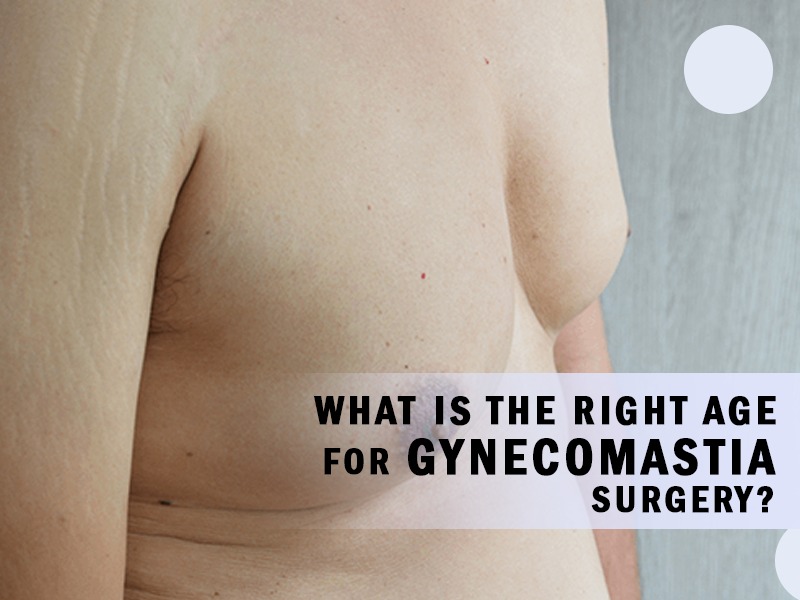
Gynaecomastia is a medical disorder that causes males both mental and physical distress. According to the best gynecomastia surgeon in Delhi, while the condition is physically harmless, it can have a big psychological impact because it restricts men’s freedom of movement in society. In order to conceal their shame or humiliation, men frequently avoid exercise, swimming, and other sorts of physical activities. Gynaecomastia Treatment Causes in Delhi: According to Dr. PK Talwar, a well-known cosmetic surgeon in Delhi who is famous for providing the best gynecomastia treatment in Delhi, men can acquire Gynecomastia in the majority of cases with no recognized cause. Certain reasons, however uncommon, can put males at risk of acquiring this illness. These are as follows: Hormonal imbalance Liver failure Chronic use of certain medications Chronic alcohol consumption Why does anyone need to undergo Gynaecomastia Surgery? Dr. PK Talwar, widely regarded as the best gynecomastia surgeon in Delhi, has successfully done a lot of gynecomastia procedures. According to him, this procedure is used to diminish and flatten the size of men’s breasts as well as to improve chest shapes. Doctors propose this operation depending on the patient’s symptoms, which can include: A breast lump or fatty tissue in one or both breasts Noticed uneven fullness in one or both breasts An increase in the width of the areola (the black skin surrounding the nipples) Discharge from the nipples Pain or discomfort in one or both breasts However, Dr. PK Talwar, as a seasoned gynecomastia surgeon in Delhi, stresses that there is a certain age before which this surgery needs to be performed to obtain the best results and enjoy a confident and comfortable life. Right Age for Gynaecomastia Surgery in Delhi: According to Dr. PK Talwar, this ailment usually manifests itself between the ages of 14 and 16. It is also known as male chest enlargement and can last from 20 to 22 years of age. It can then either remain the same or continue to increase at any time. Dr. PK Talwar, on the other hand, suggests that gynecomastia cannot be reduced on its own, regardless of diet or activity, because the glandular growth is firm or hard, unlike fat. Gynecomastia has a greater impact on students since it creates so much embarrassment at such a young age. It may have an affect on their education as well as their attire as they begin to wear loose apparel.This can make it difficult for them to participate in activities such as swimming. Dr. PK Talwar further emphasizes that because of gender identity and incidents such as eve teasing, individuals may develop phycological disorders such as depression. If this problem is left alone or ignored for an extended period of time, it can lead to problems and, in rare cases, to illnesses such as breast cancer. As a result, surgery is the greatest option for long-term results and vastly improved chest shapes. Dr. PK Talwar also guarantees that if the surgery is performed early, the recovery period will be short and you will have lasting relief from Gynaecomastia. The operation is typically performed between the ages of 16 and 20 and can be performed up to the age of 65. However, according to Dr. PK Talwar, the sooner the better because it can relieve a lot of psychological tension. The procedure can significantly increase their self-esteem and have a good impact on their academic career. Key takeaways Dr. PK Talwar is a well-known cosmetic surgeon not just in India and around the world for gynecomastia treatment in Delhi, but also for their exceptional medical competence. Dr. PK Talwar, India’s leading gynecomastia surgeon, has led by example in striking a balance between surgical skill sets and finesse with a reasonable gynecomastia surgery cost in Delhi.  

What is the Right Age for Gynecomastia Surgery? Read More »
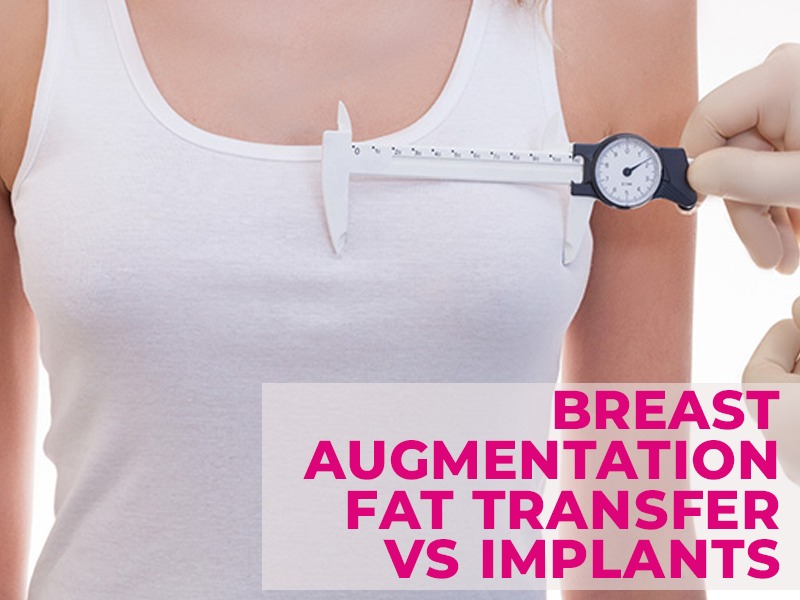
Breast Augmentation: Fat Transfer Vs Implants

Women from all across the world want and deserve to look and feel their best. They also want to feel comfortable in their own skin. It involves enhancing the breasts breast size of the patient either by fat transfer which we take from one area of the body to the breasts or by inserting implants. This procedure is commonly referred to as a boob job. Breast augmentation improves self-esteem and beauty by adding symmetry to unequal breasts or recreating the appearance of breasts after a mastectomy. Whatever your reason for considering breast augmentation, it’s critical to consult with a board-certified plastic surgeon to get answers to your questions and determine which form of breast augmentation surgery is ideal for you. Now we will understand both of the techniques of breast Augmentation in detail lets begin with fat transfer breast augmentation. What is Fat Transfer Breast Augmentation? Because fat is removed/sucked out from one area of the body by liposuction, Breast augmentation with fat transfer is also known as fat grafting. The refined fat tissues are then injected into the breast. Fat transfer breast augmentation surgery typically takes three to five hours. Some of the most typical areas for fat removal are the thighs, arms, flanks, abdomen, knees, buttocks, or a combination of numerous areas where the patient wishes to eliminate undesired fat cells. Breast Implants for Augmentation Breast implant surgery involves inserting implants into the breast to alter the size and look of the breast. Breast implants are constructed of silicone shells that are filled with either silicone gel or saline. During breast implant surgery, your surgeon will make an incision around the areola or at the bottom of the breast. Alternative procedures to implant placement include armpit and belly button incisions. During your consultation and pre-surgery discussion with your board-certified plastic surgeon, he will discuss the precise technique that is best for you. Your breast implant is then put through the incision and placed between or beneath the breast tissue and chest muscles. Differences between Fat Transfer Breast Augmentation and Breast Implants: Size and shape: You can choose the desired shape and size of implants for your breasts, on the other hand in the case of fat transfer augmentation, there are some limitations such as the amount of fat that can be retained after injection. The underlying shape of your breasts also plays a major role in this case. Eligibility: Not all candidates are ideal for fat transfer, on the other anyone can get breast implants. patients with small breasts or patients looking to get a breast lift are the most ideal candidates for breast augmentation with fat transfer are Results: When women come into the cosmetic surgeon’s clinic, they usually have a picture in their mind of their ideal breasts which can be easily achieved with breast implants, but the results are less reliable with fat transfer augmentation. Cost: Breast augmentation cost is higher in the case of the fat transfer due to the time it takes to harvest, prepare, and transfer the fat. Additionally, additional sessions may be required to achieve the desired results, resulting in an increase in expense. However, it is suitable in selective cases where patients are searching for minor increases in their breast size in a natural way. If you’re looking to have breast augmentation surgery, we’re here to help you meet your goals. Contact us right now!!

Breast Augmentation: Fat Transfer Vs Implants Read More »

How do you Treat Burn Scars From Contractures?

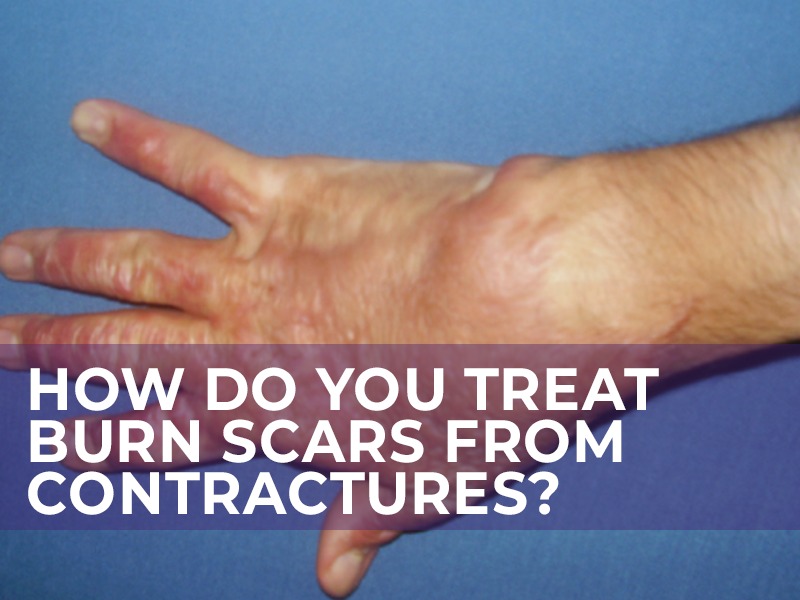
Introduction You got a bad burn, and as a result, you have got scars that limit your range of motion. You might be wondering if there is anything you can do to improve the look and function of your scars. You’ve come to the right place! This blog will provide you all the information you need to treat your contracture burn scars. We’ll begin by explaining the various sorts of therapies available, and then we’ll go into how to select the best treatment for you. Finally, we’ll give you some pointers on how to get the most out of your treatment. What Is a Contracture? A contracture is a complication that can happen as a result of a burn injury. It’s a condition where the skin and muscles around the burn wound to contract and tighten, which can cause deformity, pain and restricted movement. If you or someone you know has suffered from a burn injury, it’s essential to know how to treat burn scars from contractures. This guide will outline the steps that need to be taken to prevent and treat this complication. Treatment Options for Burn Scars From a Contracture Now that we’ve established the basics of burn scars from contractures, it’s time to explore the treatment options. As we mentioned, these scars can be stubborn and difficult to treat. But that doesn’t mean they’re impossible to improve. There are a few different ways to treat burn scars from contractures: 1) Surgery: This is usually the first option doctors will recommend. Surgery can help correct the contracture and improve the appearance of the scar. 2) Laser therapy: Lasers can be used to help break down scar tissue and improve the appearance of the scar. 3) Chemical peels: This treatment uses acids to remove the top layer of skin, which can help improve the appearance of scars. 4) Microneedling: This treatment uses tiny needles to create tiny wounds in the skin. This helps promote collagen production and can improve the appearance of scars. Prevention and Complications of Burn Contractures If you’ve suffered a burn, the best way to prevent contractures is to keep the burned area moist. This will help the skin to heal and reduce the risk of developing contractures. When a burn occurs, the skin cells die and release toxins. The body’s natural response is to form a scab to protect the delicate new skin underneath. This can often lead to contractures if the scab becomes too tight or if it develops in an awkward position. Complications of burn contractures can include: -Restriction of movement -Pain -Loss of function in the affected area -Skin infections Conclusion So, those are the basics of burn scar treatment for contractures. Remember, consult with your doctor to see what’s best for you, as they will be able to take into account the extent of your injuries, your overall health and other factors which could influence your treatment plan. With patience, dedication and the right treatment plan, you can minimize the appearance of your burn scars and improve your quality of life.

How do you Treat Burn Scars From Contractures? Read More »

What Happens If Gynecomastia Isn’t Treated?

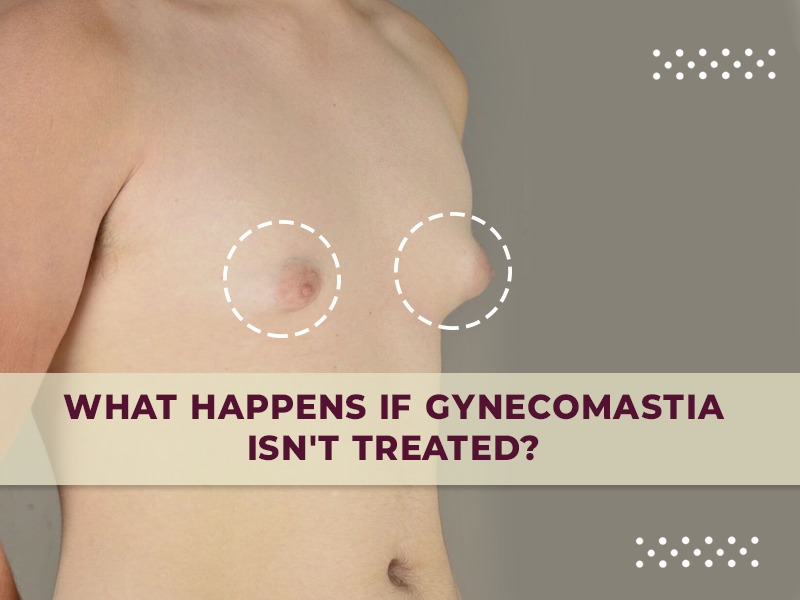
Gynecomastia is a condition in which a man’s breasts grow unnaturally large due to breast tissue expansion. It can be caused by a variety of factors, including genetic or hormonal imbalances. It is mostly determined by the amount of estrogen present, as excess estrogen causes the development of breasts. Increasing alcohol or steroid use is another cause of breast growth. Dr. PK Talwar is the top cosmetic surgeon in Delhi for gynecomastia (male breast) surgery. It affects adolescent boys and older males. When testosterone generation in older men is limited, breast development occurs. Cancer breast development difficulties are identified in many people who are treated for gynecomastia. Being overweight is another cause of breast growth. To address this issue, Gynecomastia Surgery in Delhi is performed, with treatment lasting approximately 2 to 3 hours. A patient in good mental health who requires physical transformation treatment is an appropriate candidate for this treatment. According to studies, gynecomastia affects between 32 and 65% of males. Nonsurgical treatments, such as lifestyle changes, medicines, and hormone therapy, typically do not focus on addressing the underlying problem. Continue reading to learn more about the probable causes and treatments for gynecomastia. Although it affects 35-40% of men at some time in their life, gynecomastia, or male breast growth, is rarely discussed on a big scale. As a result, rather than merely treating what might be an unpleasant disease, there is a low level of understanding that gynecomastia can be addressed. What Causes Gynecomastia? The reason for male breast growth is unknown in the vast majority of cases. It is frequently thought to be the result of a hormonal imbalance, resulting in the growth of glandular tissue not ordinarily found in males, or weight gain and extra adipose (fat) tissue in the chest. Medication, puberty, substance use or misuse, and illnesses such as hyper- or hypothyroidism can all induce hormonal abnormalities. So, aside from the cosmetic and emotional components of this problem, are there medical grounds to treat gynecomastia? What happens when guys refuse to get treatment? Men with gynecomastia who are’t bothered about their appearance and aren’t suffering from a major health condition don’t need to have it addressed. But, gynecomastia does not go away on its own, and if the appearance and shape of your chest are harming your self-confidence or self-worth, consulting a plastic surgeon to re-sculpt your appearance can have significant emotional and social benefits. Gynaecomastia Surgery Procedure Surgeons advise patients to abstain from alcohol and tobacco for at least two weeks before the procedure. In a few days, the patient can resume his physical activities. The exercise is resumed a few days following the treatment and gradually increases in intensity over time. By getting surgery in Delhi to lower the size of the Male Breast (Gynecomastia), the patient improved his psychological condition and gained a better diagnostic advantage. Gynecomastia may not usually arise from a more serious underlying condition, and treatment can involve decreasing weight, discontinuing the use of steroids or other drugs, or simply waiting it out. When gynecomastia persists, surgical methods can be employed to remove extra glandular tissue and restore the chest to a manly contour. Methods used for treating gynecomastia surgery in Delhi are as follows: Surgical Resection (Subcutaneous Mastectomy) Male breast reduction surgery using minimally invasive techniques (gynecomastia) Liposuction Assisted Mastectomy Several procedures are utilised in this strategy depending on the patient’s condition and intended results. When Is Gynecomastia Serious? Simply put, if your symptoms of male breast enlargement are caused by an underlying health problem such as testicular failure, pituitary gland disorders, or liver cirrhosis, you should seek medical assistance to treat the condition. Your primary care physician or a specialist can diagnose these and other conditions that may cause gynecomastia and propose a treatment strategy. It is usually a good idea to get all of your questions about Male Breast Surgery (Gynaecomastia) answered and know what to expect from Dr. PK Talwar’s Gynaecomastia surgery in Delhi. This provides a clear path for both the patient and the surgeon

What Happens If Gynecomastia Isn’t Treated? Read More »

Are Liposuction Results Permanent?

Introduction In the pursuit of a perfect body, millions of people turn to liposuction as a solution to stubborn pockets of fat. The surgery is popular for good reason: it’s one of the most effective ways to get rid of unwanted fat. But are liposuction results permanent? Like any other surgical procedure, liposuction is not without risk. It’s important to understand the potential risks and side effects before you make any decisions about surgery. And it’s also important to know that there is no such thing as a permanent weight loss solution. Liposuction is a safe and effective way to remove excess fat, but the results are not permanent. If you’re considering liposuction, be sure to talk to your doctor about the risks and benefits of the procedure. Definition and Overview of Liposuction An effective way of removing fat from specific areas of the body is with liposuction. The results of Liposuction Surgery in Delhi are not permanent, and the fat may eventually return to the area where it was removed. How Long Does Liposuction Last? The duration of your liposuction results will depend on several factors, including the type of liposuction procedure you undergo, how much fat is removed, and your post-operative care. In general, most people experience long-lasting results from liposuction. However, it’s important to keep in mind that the goal of liposuction is not to achieve permanent weight loss. The results are more likely to be permanent if you maintain a healthy lifestyle after your surgery. That means having a balanced diet and getting regular exercise. Can You Maintain Your Liposuction Results? regular exercise. You just need to commit to taking care of your body and following the recommendations of your doctor. This is something that’s often easier said than done, but it’s worth it in the long run. Remember, your body is the only one you have for the rest of your life, so you should do everything you can to make sure you take care of it. Risks Associated With Liposuction Liposuction, like any Cosmetic Surgery in Delhi, has its risks. Infections, bleeding, and reactions to anesthesia are among them. There is also the risk of damage to underlying structures such as nerves or blood vessels. In addition, liposuction can cause contour irregularities, which may be permanent. As the fat is removed from the body, the skin can lose its elasticity, which can lead to sagging skin or ripples in the treated area. It is important to understand that liposuction is not a weight-loss surgery, and it is not a substitute for a healthy diet and exercise. It is important to have realistic expectations about the results of liposuction and to be at a healthy weight before undergoing the procedure. Conclusion All in all, liposuction results can be quite permanent, but there are a few things you need to keep in mind to make sure you enjoy your newfound contours for as long as possible. First and foremost, always go to a qualified and experienced Cosmetic surgeon in Delhi, and make sure to follow their post-operative instructions to the letter. Also, keep in mind that your weight may fluctuate over time, so if you do experience a gain, it’s not the end of the world. As long as you maintain your new figure with a healthy diet and regular exercise, you should be able to enjoy your beautiful results for many years to come.  

Are Liposuction Results Permanent? Read More »

How to Smooth Out Your Stomach After Liposuction?

How to Smooth Out Your Stomach After Liposuction?

Body contouring techniques such as liposuction have grown in popularity in recent years and are now an essential part of both men’s and women’s aesthetic practices. Body contouring is the practice of modifying and contouring the body in order to treat stubborn fat pockets and other issues. These treatments catch up where food and exercise let off in order to get the beach-ready body you seek. Liposuction is a fat-removal operation that can assist patients in achieving an attractive body shape. Unfortunately, some patients discover that the treatment leaves lumps that do not provide the smooth, contoured shape they were hoping for. With careful treatment, this common side effect can be avoided, and patients can enjoy their beautifully sculpted bodies. What to Expect After Liposuction Procedure? Liposuction is the removal of pockets of fat from almost any part of the body. Your doctor will put a microcannula into the treatment area, which will loosen and gently suction the fat cells away. Some liposuction techniques employ ultrasound, radiofrequency, or laser energy to melt fat before suctioning it out. While it is a less intrusive technique than other body reshaping operations, there is a recovery period. Below Discussed are some of the common side effects: Lumpy skin Swelling Pain Bruising Redness around incisions The first week following liposuction is important for full healing. Patients should anticipate to rest and carefully follow all post-operative recommendations. Generally, a compression garment is worn for the first week or more after the surgery. Most patients are able to return to work and other activities within one week, although excessive exercise should be avoided for at least three weeks. Understanding the procedures and expectations might assist patients in better preparing for the treatment and subsequent aftercare. Why do lumps occur after Liposuction? Liposuction patients frequently have lumps and bumps as a result of the operation. A cannula is used to build tunnels under the skin to suction out extra fat during the treatment. Following the surgery, these tunnels may fill with fluid, resulting in a lumpy appearance. Lumps can also arise as a result of: A hematoma, which is a localized accumulation of blood Remaining fat deposits Will lumps disappear on their own? Yes, after liposuction, lumps and bumps are typical and normally go away on their own. Lumps might be painful for several weeks following surgery, but they eventually fade and the skin returns to normal. When the swelling has decreased and the skin has properly conformed to the new contour, patients will notice considerable improvement in lumps three to four weeks after the treatment. Patients can also follow easy aftercare guidelines at home to help prevent lumps and promote faster skin recovery. How to Massage Liposuction Lumps Lumps, in general, do not last forever and eventually fade away on their own. Massages, for example, can help improve the appearance of lumps or prevent them from forming in the first place. A massage can also: Shorten recovery time; Reduce swelling; The probability of scar tissue formation is reduced. Lump relief can be achieved by massaging the skin with manual lymphatic drainage therapy. Light pressure and careful pumping movements are used to transfer fluid from the treatment area toward lymph nodes. After liposuction, the lymphatic system is not fully functional and cannot usually drain fluid correctly, resulting in swelling, discomfort, and lumps. Massages for lymphatic drainage can help to speed up the process of eliminating those unwanted effects. The Importance of Post-Liposuction Compression Garments Lumps and bumps are typical and usual following liposuction, and they cannot always be avoided, even with good aftercare. Compression garments are required to help the skin conform easily to the new contour. These garments also support healthy blood flow, which helps to reduce: Pain Swelling Fluid Lumps After the liposuction procedure, a compression garment should be worn day and night for 1-2 weeks. After that, we recommend wearing it at night for at least two weeks. The compression aids in the reduction of edema and the absorption of surplus fluid from the treatment. Because the fluid is effectively drained out of the body, the extra pressure from the garment can also eliminate lumps. Dr.PK Talwar works with his patients to ensure that the healing process is progressing well and that lumps are disappearing at a reasonable rate and are not creating concern.

How to Smooth Out Your Stomach After Liposuction? Read More »